How to Stay Safe on Winter Roads in Texas: Ice and Claims
By Mason ArnaoPublished

By Mason ArnaoReviewed by Mason Arnao
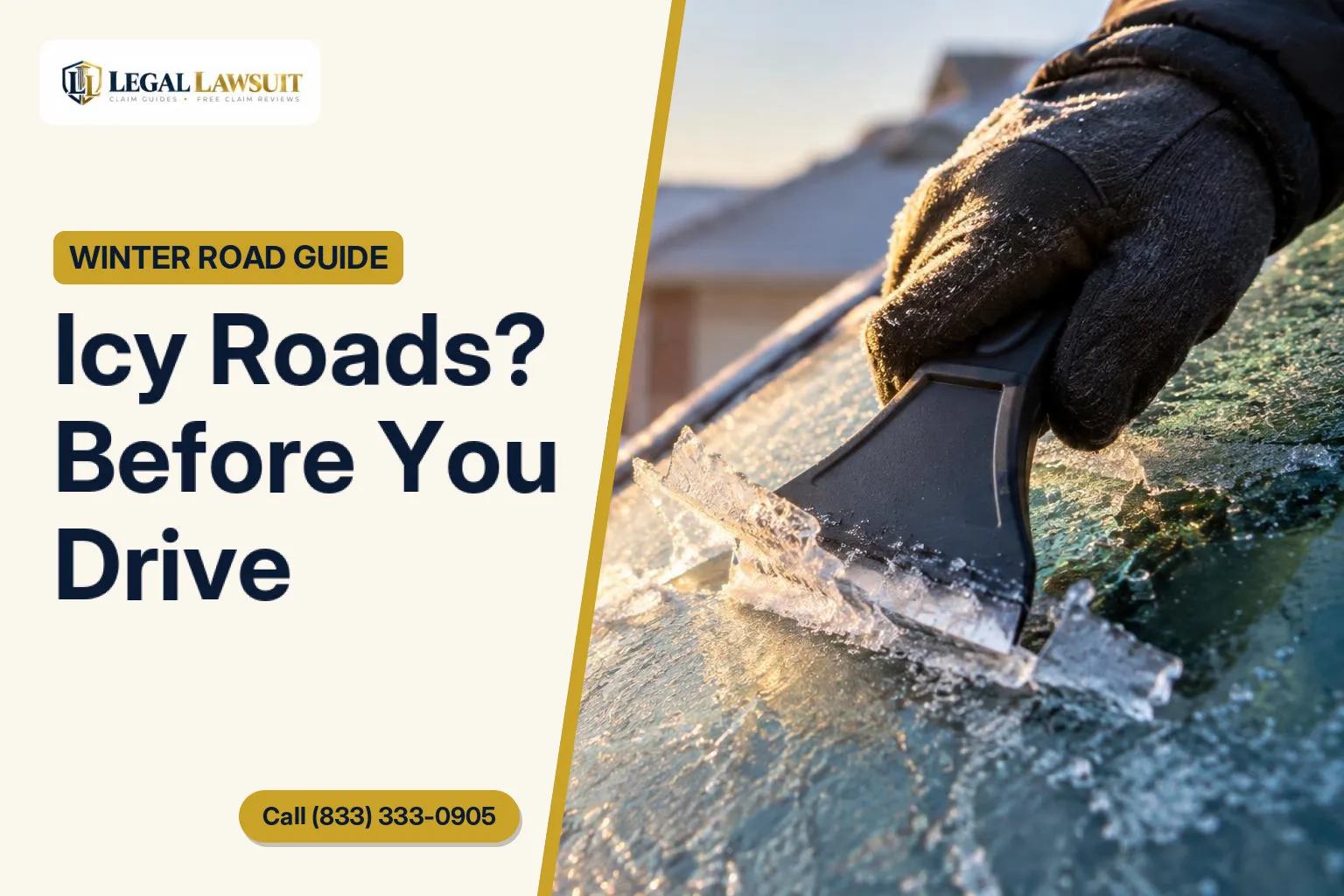
How to Stay Safe on Winter Roads in Texas starts with postponing travel when possible; if you must drive, slow down, leave extra following distance, and watch for ice on bridges and overpasses. If you crash on ice, collision coverage generally pays for damage to your car from a collision—not comprehensive coverage—and you should report the crash promptly and record the weather and road conditions.
This guide walks you through checking road conditions, preparing your car and passengers, packing emergency supplies, and responding if you skid or become stranded. It also explains which insurance coverage may apply after a winter crash and what steps to consider if your claim stalls or the insurer denies payment.
First, decide whether the trip can wait
If the trip is not necessary, postpone it. TxDOT strongly advises staying off roads during hazardous winter weather. Before thinking about how to drive on ice, ask whether you need to drive at all. Rescheduling an errand or delaying a visit is a better starting point than trying to make an unnecessary trip work.
If you are considering travel, check road information with its limits in mind. DriveTexas covers TxDOT-maintained roads, not every local street. Its FAQ explains that conditions may not appear on the map and directs travelers to city or county authorities for information about roads those authorities maintain. A route with no reported problems is not a guarantee that the pavement is clear.
Think about the whole trip—not just the highway portion. Before leaving, seek information about the local streets at both ends of your route, too. If you cannot establish what conditions are like, do not treat that uncertainty as a reason to assume the roads are safe.
If a teenager is planning to drive, make the go-or-wait decision together; our guide to Texas road safety rules for teen drivers can support that broader conversation.
Prepare the car, passengers, and emergency supplies
Before an essential winter trip, work through three checks: the vehicle, your supplies, and everyone’s seat belts or car-seat harnesses. NHTSA’s winter-driving guidance recommends the following preparation steps.
- Check the car. Inspect tires, the battery, headlights and other lights, windshield wipers, and defrosters. Make sure you have enough windshield washer fluid rated for freezing temperatures.
- Use the right tire pressure. Check tires when they are cold and use the vehicle manufacturer’s recommended pressure, found in the owner’s manual or on the driver’s door-frame label—not the pressure printed on the tire itself.
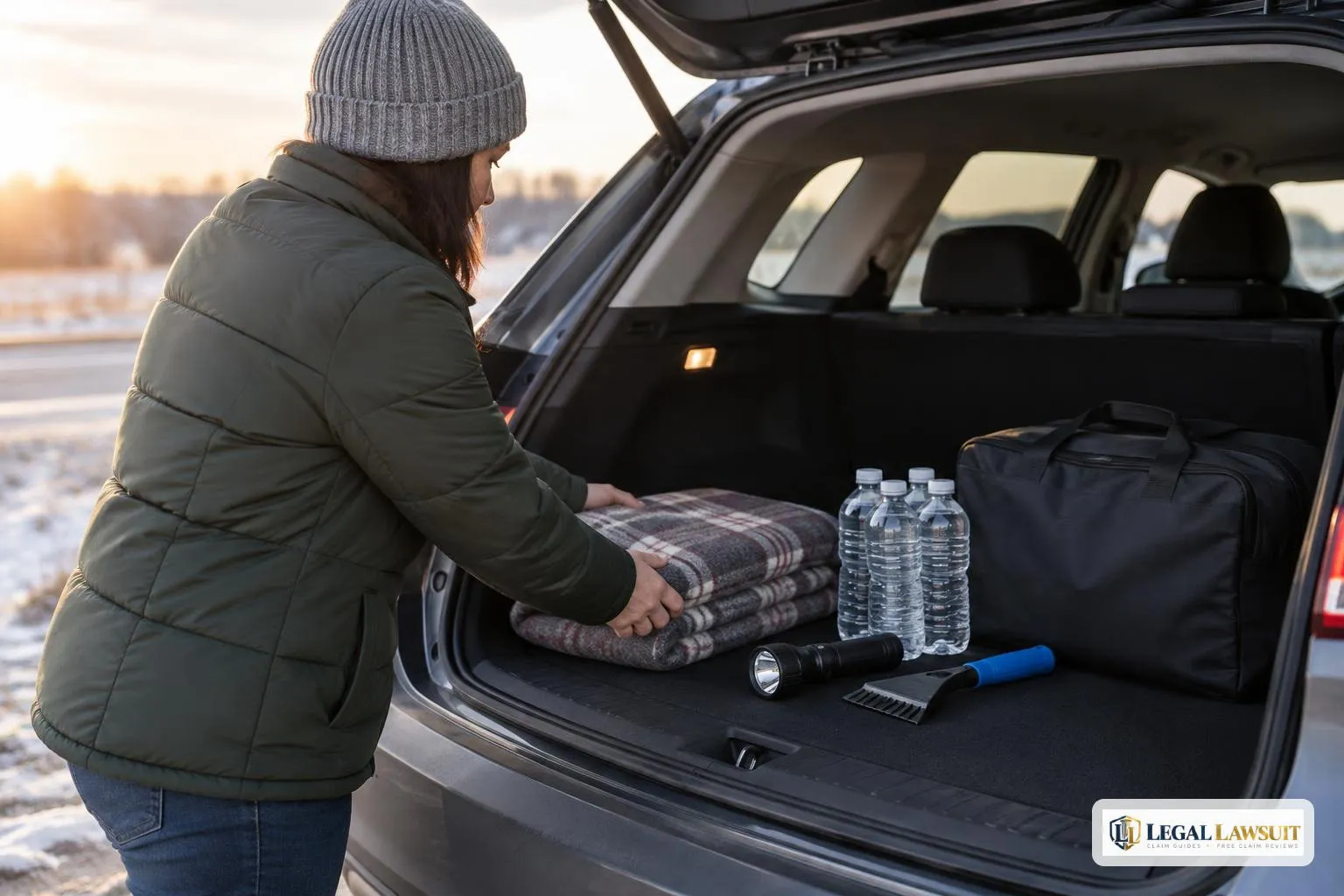
- Pack for a delay. Bring blankets, drinking water, food, a flashlight, and a cell phone charger. Add traction material, such as sand or kitty litter, along with an ice scraper, snow brush, and shovel.
- Keep children warm without loosening their protection. Dress children in thin, warm layers beneath the car-seat harness. Avoid bulky coats underneath it; buckle and snug the harness first, then place a blanket or coat over the child for warmth.
If you are unsure about the seat itself or its fit, review our guide to choosing and checking your child’s car seat as part of your preparation.
If you must drive, slow down and leave room
If the trip cannot wait, adjust your driving to the road conditions—not to the posted speed limit. A posted limit is not a winter driving target. Snow or ice calls for slower speeds and substantially more space between vehicles.
TxDOT’s snow and ice guidance recommends slowing down, leaving at least three times your normal following distance, and watching for locations that freeze first. Put those recommendations into practice throughout the trip:
- Reduce your speed for conditions. Do not treat a familiar route as a reason to maintain your usual pace when snow or ice is present.
- Leave a much larger gap. On snow or ice, allow at least three times the following distance you would normally leave—not merely an extra car length.
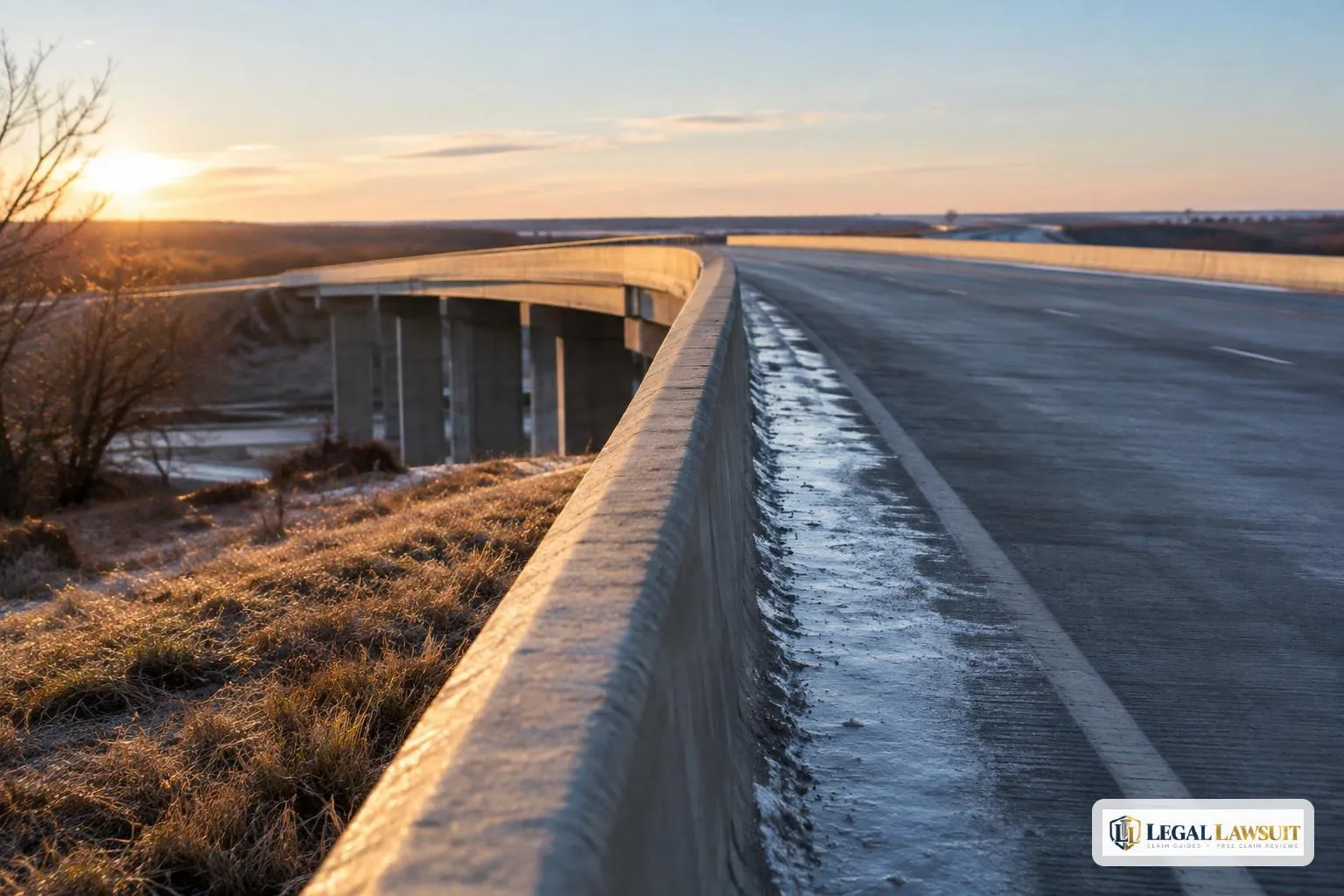
- Be especially cautious on bridges, ramps, overpasses, and shaded areas. These locations tend to freeze first, so conditions there may differ from the road you just traveled.
Keep both adjustments in mind: slowing down does not replace leaving room, and a larger gap does not replace reducing speed.
Know what to do if you slide or become stranded
If your vehicle starts sliding, focus on regaining traction. TxDOT advises easing off the accelerator or brakes and steering into the skid until traction returns. That skid-recovery advice is separate from how to use your brakes when you need to stop.
Know which braking system you have
NHTSA’s winter-driving guidance explains how to brake with different systems and how to stay safer if your vehicle becomes stranded:
- With an anti-lock braking system (ABS): Apply firm, continuous pressure to the brake pedal.
- Without ABS: If the wheels begin locking, pump the brakes rather than holding continuous pressure.
If you become stranded, stay with the vehicle
NHTSA advises staying with your vehicle and making it visible to others. Use bright markers on the antenna or windows, and keep the interior dome light on.
Keep snow clear of the exhaust pipe. A blocked exhaust can allow deadly carbon monoxide to build up inside the vehicle. Run the engine only intermittently—just long enough to stay warm—not continuously while waiting for help.
After a winter crash, identify the relevant coverage
Winter weather alone does not tell you which insurance coverage applies. The cause of the damage—and the coverage you purchased—matter. Collision coverage pays for crash damage to your car; comprehensive coverage applies to covered noncollision damage. When it is safe, record the weather and road conditions and notify your insurer promptly. These distinctions and reporting steps come from TDI’s auto insurance guide.
As you describe what happened, focus on the event that damaged the vehicle rather than simply labeling it “winter damage.” For example, explain whether your car slid into something or was damaged without a collision. That gives the insurer a clearer starting point for reviewing the loss against your policy. Do not assume that having one type of coverage means you also purchased the other.
For help organizing the broader process, use Legal Lawsuit’s guide to how to file a car accident claim. Keep your weather and road-condition notes with your other claim information so you can refer to them when discussing the damage.
If your claim stalls or the insurer refuses payment
Start by identifying whose policy is handling the claim: your own or the other driver’s. That distinction matters when you are trying to understand a delay or a refusal to pay.
According to TDI’s auto insurance guide, an insurer denying a claim under your own policy must give its reason in writing. The guide also explains that Texas prompt-payment protections do not apply when the other driver’s insurer is paying the claim. Do not assume that the same payment rules govern both situations.
If you receive a denial, compare the written explanation with your policy’s coverage, exclusions, and deductible. Identify what you do not understand, and ask the insurer to clarify how the policy language applies to your winter crash. Keep the explanation with your policy and claim correspondence so you can refer to them together.
For a closer look at delays, Legal Lawsuit’s guide to understanding each stage of a car insurance claim can help you organize your follow-up questions. If you have a denial instead, see what to do when car insurance denies your claim for more detailed next steps.
Frequently asked questions
Does a clear DriveTexas map mean my local street is safe?
No. DriveTexas primarily reports conditions on state-maintained roads, so a clear map is not an all-clear for your neighborhood. Conditions may not appear because they have not yet been reported or updated. For information about streets outside the state-maintained system, the DriveTexas FAQ recommends contacting the appropriate city or county authorities.
Which parts of a Texas road tend to freeze first?
Watch especially for bridges, overpasses, ramps, and shaded areas. These spots can freeze before other parts of the road, so pavement that looks manageable elsewhere does not mean the next elevated or shaded section is safe. TxDOT’s snow and ice guidance recommends reducing your speed and leaving extra room between vehicles in winter conditions.
Should I pump the brakes when driving on ice?
It depends on your braking system. With an antilock braking system (ABS), apply firm, continuous pressure rather than pumping the pedal. Without ABS, gently pump the brakes to help avoid locking the wheels. NHTSA’s winter-driving guidance explains the difference. Check your vehicle’s owner’s manual so you know which system you have before heading out.
What should I do if my car stalls in winter weather?
NHTSA’s guidance also recommends staying with your car rather than overexerting yourself or walking away in dangerous winter conditions. Make the vehicle visible with bright markers on the antenna or windows, and keep the interior dome light on. To reduce carbon monoxide risk, keep the exhaust pipe clear of snow and run the engine only sporadically—just long enough to stay warm.
Is sliding into an object a collision or comprehensive insurance claim?
Sliding into a tree, fence, or another object generally falls under collision coverage—not comprehensive—if you carry that coverage. The icy road does not turn the impact into a comprehensive claim. The Texas Department of Insurance’s auto insurance guide distinguishes collision damage from comprehensive losses such as hail, theft, or damage from falling objects. Your deductible and policy terms still matter.
Sources
- Snow and ice – winter weather driving tips · Texas Department of Transportation
- DriveTexas Frequently Asked Questions · Texas Department of Transportation
- Winter Weather Driving Tips · National Highway Traffic Safety Administration
- Auto insurance guide · Texas Department of Insurance
This article is general information, not legal advice. Laws and deadlines vary by state and change over time; check the linked sources or speak with a licensed attorney about your situation.
Related Posts

Your car is repaired, but its history now lowers what it's worth. This guide explains who usually pays for that lost value, what proof insurers ask for, and how to submit the claim in writing.
An adjuster sent you a medical release to sign after your crash. Here is what a broad authorization can unlock, how a release to your own insurer differs from one to the other driver's insurer, how to narrow it, and how to get your records yourself under HIPAA.
Who covers your rental after a crash depends on fault, the coverage you bought, and whether your car is repaired or totaled. This guide covers the three ways a rental gets paid for, what limits the rental, and what to do while the other insurer is still deciding fault.