Precautions to Take with Children in the Car: Seat Safety
By Mason ArnaoUpdated

By Mason ArnaoReviewed by Mason Arnao
Precautions to Take with Children in the Car include using a restraint that fits your child and installing it according to the seat and vehicle manuals, along with supervising children around vehicles and checking for them before locking up. If you have already been in a crash, follow the car-seat manufacturer’s directions: NHTSA recommends replacement after moderate or severe crashes, while replacement may not be necessary after a minor crash that meets all five of its conditions.
This guide covers choosing the right restraint, checking installation and belt fit, keeping children safe when the car is parked, and deciding what to do with a seat after a crash. It also explains what to ask your insurer about replacement and how to request a written explanation of a claim decision and seek state insurance department assistance if a disagreement remains unresolved.
Start with the restraint that fits your child now
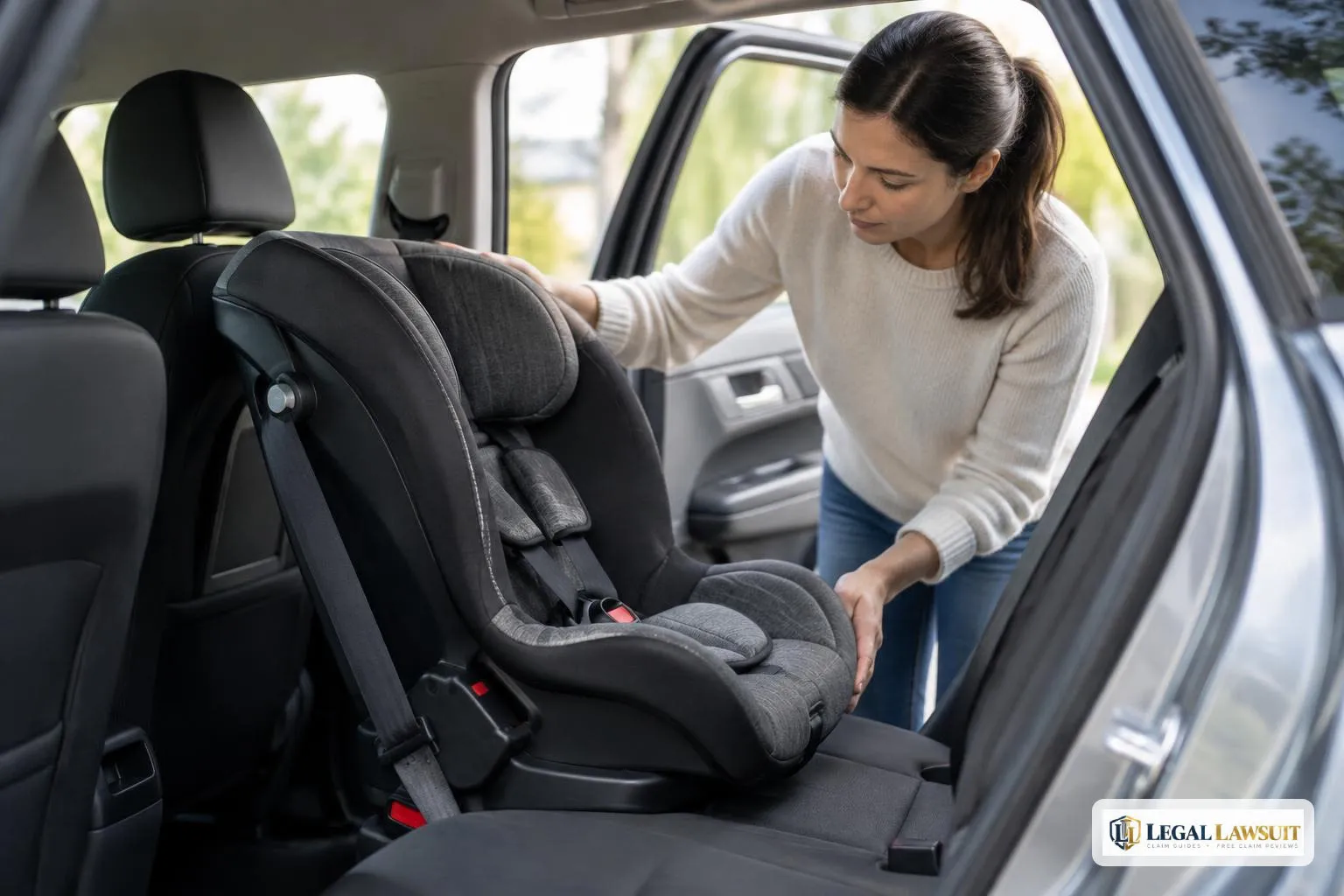
Start with four practical priorities: choose a restraint that fits your child’s current size, check its installation, supervise children around parked vehicles, and review the seat after a crash before using it again. Choosing the next restraint is about fit—not simply moving your child into a different seat as soon as possible.
Follow NHTSA’s restraint recommendations for each stage below. These are safety recommendations, not a statement of nationwide legal requirements:
- Rear-facing seat: Keep your child rear-facing until they reach the highest height or weight allowed by the seat’s manufacturer.
- Forward-facing seat: After your child outgrows rear-facing use, use a forward-facing car seat with a harness and tether until they reach that seat’s manufacturer-set height or weight limit.
- Booster seat: Once your child outgrows the forward-facing harness, use a booster until the vehicle’s seat belt fits properly without it.
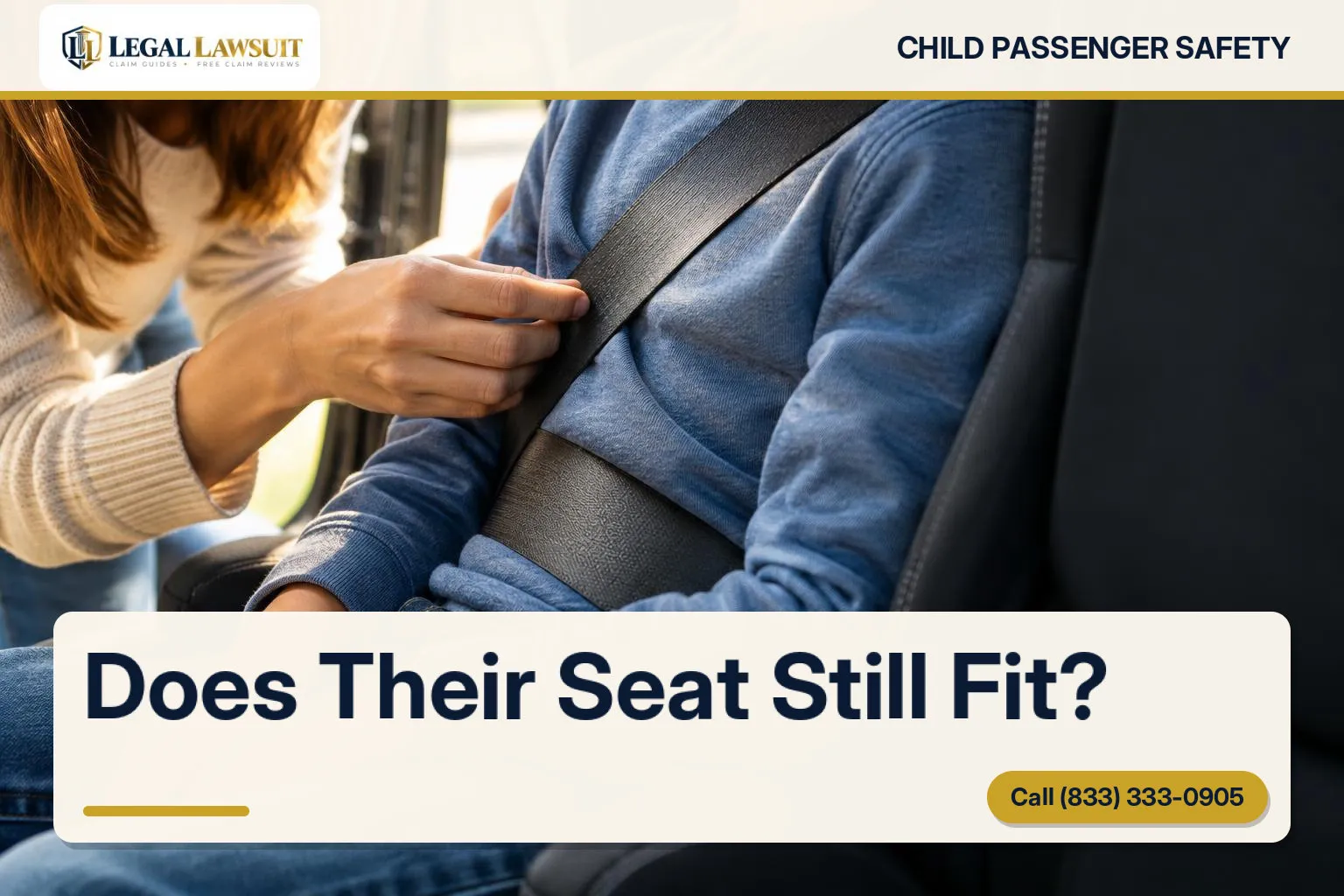
Under NHTSA’s guidance, proper belt fit means the lap belt lies snugly across the upper thighs—not the stomach—and the shoulder belt lies snugly across the shoulder and chest, not the neck or face. NHTSA also recommends that children ride in the back seat at least through age twelve.
Before changing restraints, check the car-seat and vehicle manuals for size limits, seating positions, and installation instructions. Use those instructions—not age alone—to guide the next step.
Check installation and belt fit before the next ride
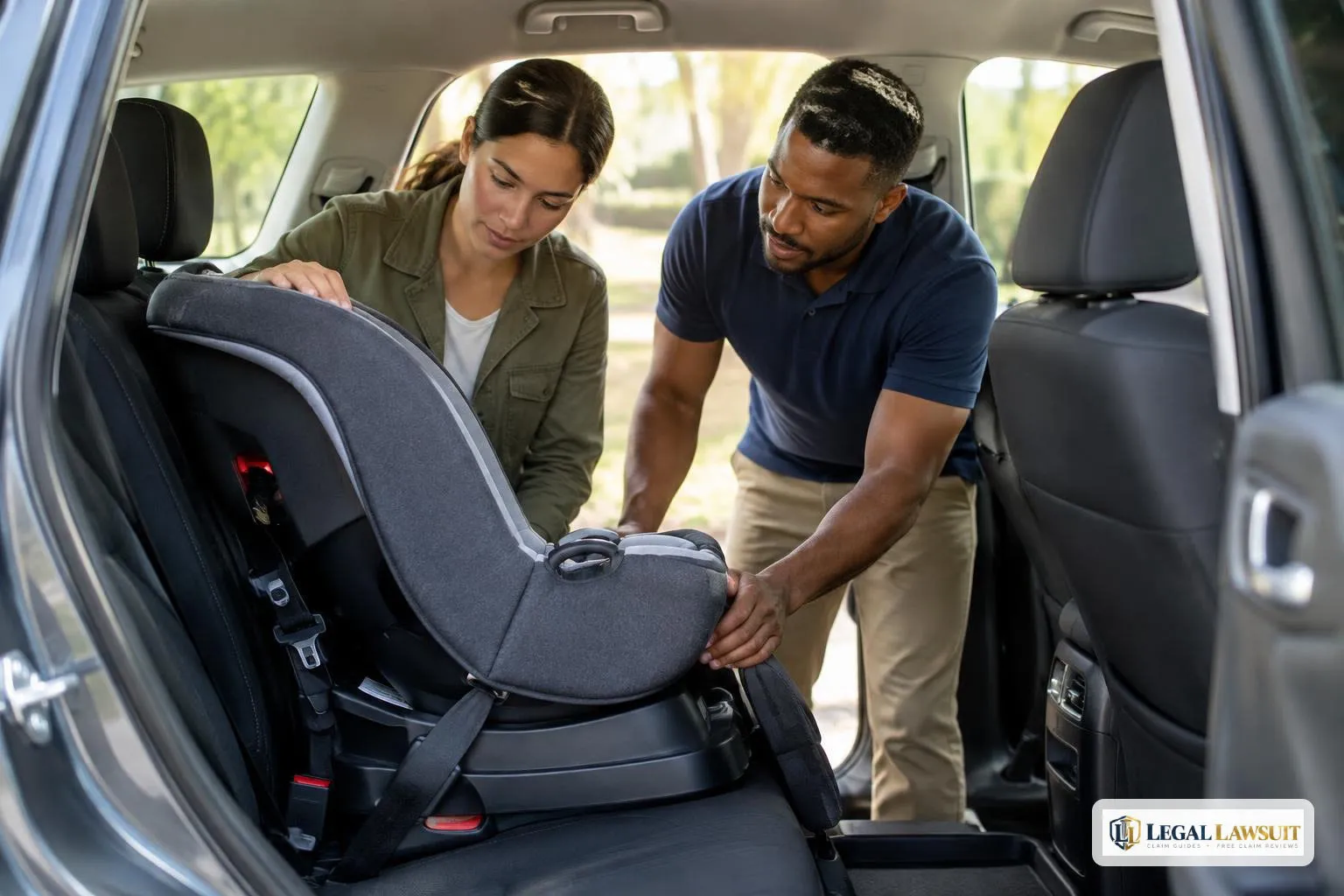
Start with the car-seat manufacturer’s instructions and the vehicle manual together, as directed by NHTSA’s installation guidance. That page also explains booster-seat belt fit and provides a finder for local installation help. Use this short routine alongside—not instead of—the instructions for your seat and vehicle:
- Check the installation instructions. Review both manuals for how to secure the seat in your vehicle. If a step is unclear, use the installation-help finder rather than guessing.
- Check the lap belt with a booster. It should rest across your child’s upper thighs, not the stomach.
- Check the shoulder belt. It should cross the shoulder and chest, not the neck or face. Check both parts of the belt when assessing whether your child is ready to ride without a booster.
- Get help when you need it. Use the inspection-station finder on the NHTSA page to locate a car-seat inspection service. Confirm the location and appointment arrangements before going; do not assume every nearby fire station provides inspections.
Keep the same precautions when the car is parked
A car seat does not protect a child from every danger in or around a parked vehicle. Make NHTSA’s parked-vehicle and child-safety precautions part of your routine whenever you park, lock up, back out, or close a window:
- Never leave children alone in or around a vehicle. Keep them supervised, even when the vehicle is not moving. Cooler weather does not eliminate the danger of heatstroke inside a car.
- Check before locking. Look through the vehicle, including the back seat, every time you park and before you lock the doors and walk away. Make this a regular step rather than relying on memory.
- Keep keys out of reach. Store vehicle keys where children cannot get them, and keep parked vehicles locked so children cannot climb inside on their own.
- Walk around before backing up. Check around the vehicle for children before you move it. Rearview cameras and warning devices can help, but they do not replace that check or careful attention while backing.
- Check before closing windows. Use power-window locks if your vehicle has them. Before closing a window, make sure children’s hands, feet, and heads are clear.
Treat these checks as part of the trip—not something that ends when you unbuckle your child. A consistent parking routine helps address hazards that the right car seat alone cannot prevent.
After a crash, check the seat before using it again
NHTSA recommends replacing a car seat after a moderate or severe crash and always following the car-seat manufacturer’s instructions. A seat that looks undamaged is not, by itself, a reason to keep using it.
NHTSA says a crash qualifies as minor only when all five of these conditions are met:
- The vehicle could be driven away from the crash site.
- The vehicle door nearest the car seat was not damaged.
- No one in the vehicle was injured.
- The airbags did not deploy.
- The car seat has no visible damage.
Checking the seat for cracks or other visible damage addresses only the last condition. It does not establish that the crash meets the other four. If even one condition is not met, the crash does not fit NHTSA’s minor-crash category.
NHTSA says car seats do not automatically need replacement after a minor crash, but that guidance is not the manufacturer’s permission to reuse your particular seat. Follow the manufacturer’s instructions about use after a crash.
Keep the safety decision separate from the insurance question: NHTSA’s guidance addresses replacement for safety reasons. It does not establish insurance coverage or decide who must pay for a replacement.
Ask the insurer a specific car-seat question
Ask the adjuster directly whether the coverage involved in your claim addresses replacing your child’s car seat. Keep the conversation focused on that request rather than assuming that a replacement recommendation answers the insurance question.
These questions can help you organize the conversation:
- “Does the applicable coverage address replacing this seat?”
- “What supporting information do you need?”
- “Should I retain the seat for inspection?”
As practical preparation, have the seat’s identification details and manufacturer instructions available so you can describe the seat accurately and discuss any replacement directions. Treat these as helpful reference materials, not a list of legally required claim documents. Ask the adjuster to clarify what information they want before you gather additional materials or dispose of the seat.
Following NAIC’s auto-claim guidance, keep dated notes of conversations with the adjuster. For this request, record the questions you asked, the answers you received, and any next steps discussed. That gives you a clear reference for your next conversation.
If you want help preparing for that exchange, Legal Lawsuit’s guide to dealing with an insurance adjuster offers broader context. If you also need to organize the rest of your claim, see how to file a car accident claim.
If the replacement request is disputed, ask for the reason
If your insurer disputes your request to replace a car seat, start by asking the adjuster for a written explanation of the decision. Under NAIC’s recommendations for claim disagreements, requesting that explanation is a recommended next step—not a universal statutory deadline. NAIC also recommends keeping dated notes of conversations with the adjuster and contacting the consumer-services staff at your state insurance department if a claim-handling or settlement disagreement remains unresolved.
Keep your request focused on the car seat: ask why replacement was declined and which policy language the insurer relied on. The goal is to clarify the insurer’s position before deciding what to do next, rather than assuming the decision answers every coverage question.
For a fuller explanation of next steps, Legal Lawsuit’s guide to what to do when car insurance denies your claim can help you organize your questions.
This article provides general information, not individualized legal advice. A replacement request or further review does not guarantee coverage or payment.
Frequently asked questions
When can my child move from a harnessed seat to a booster?
Keep your child in a forward-facing seat with a harness and tether until they reach the manufacturer’s maximum height or weight limit for that seat. Then move to a booster used in the back seat. NHTSA’s car-seat guidance explains these transitions and proper seat-belt fit; use your child’s current size and the seat’s limits rather than age alone to guide the change.
How can I tell whether the vehicle seat belt fits without a booster?
Check where both parts of the belt sit. Under NHTSA’s belt-fit guidance, the lap belt should lie snugly across the upper thighs, not the stomach, and the shoulder belt should cross the shoulder and chest, not the neck or face. Keep using a booster until the vehicle’s seat belt fits your child properly without it.
Is leaving a child alone in a parked car safe in cooler weather?
No. Cooler weather does not make it safe to leave a child alone in a parked vehicle. NHTSA warns that heatstroke can occur even in cooler temperatures and advises never leaving a child unattended in a vehicle. Check the back seat before locking the car, and keep keys out of children’s reach so they cannot enter on their own.
Does a car seat need replacing after every crash?
Not necessarily. NHTSA recommends replacement after moderate or severe crashes, but not automatically after a minor crash. All five conditions must apply for a crash to qualify as minor: the vehicle could be driven away; the door nearest the seat was undamaged; nobody was injured; no airbags deployed; and the seat has no visible damage. Always follow the car-seat manufacturer’s instructions about replacement.
What should I ask if the adjuster disputes my replacement request?
Ask, “Why was my replacement request disputed, and can you explain that decision in writing?” You can also ask what additional documentation would help the adjuster review the request. NAIC’s auto-claim guidance recommends keeping dated conversation notes and requesting written explanations of claim decisions. If the disagreement remains unresolved, it also suggests seeking assistance from your state insurance department.
Sources
- Car Seats and Booster Seats · National Highway Traffic Safety Administration
- Child Safety · National Highway Traffic Safety Administration
- Car Seat Use After a Crash · National Highway Traffic Safety Administration
- What You Should Know About Filing an Auto Claim · National Association of Insurance Commissioners · 2022-03-28
This article is general information, not legal advice. Laws and deadlines vary by state and change over time; check the linked sources or speak with a licensed attorney about your situation.
Related Posts

An adjuster sent you a medical release to sign after your crash. Here is what a broad authorization can unlock, how a release to your own insurer differs from one to the other driver's insurer, how to narrow it, and how to get your records yourself under HIPAA.
Who covers your rental after a crash depends on fault, the coverage you bought, and whether your car is repaired or totaled. This guide covers the three ways a rental gets paid for, what limits the rental, and what to do while the other insurer is still deciding fault.
Build a practical family plan for phone use, passengers and distractions before your teen drives. Find a separate path to claim guidance if a crash has already happened.