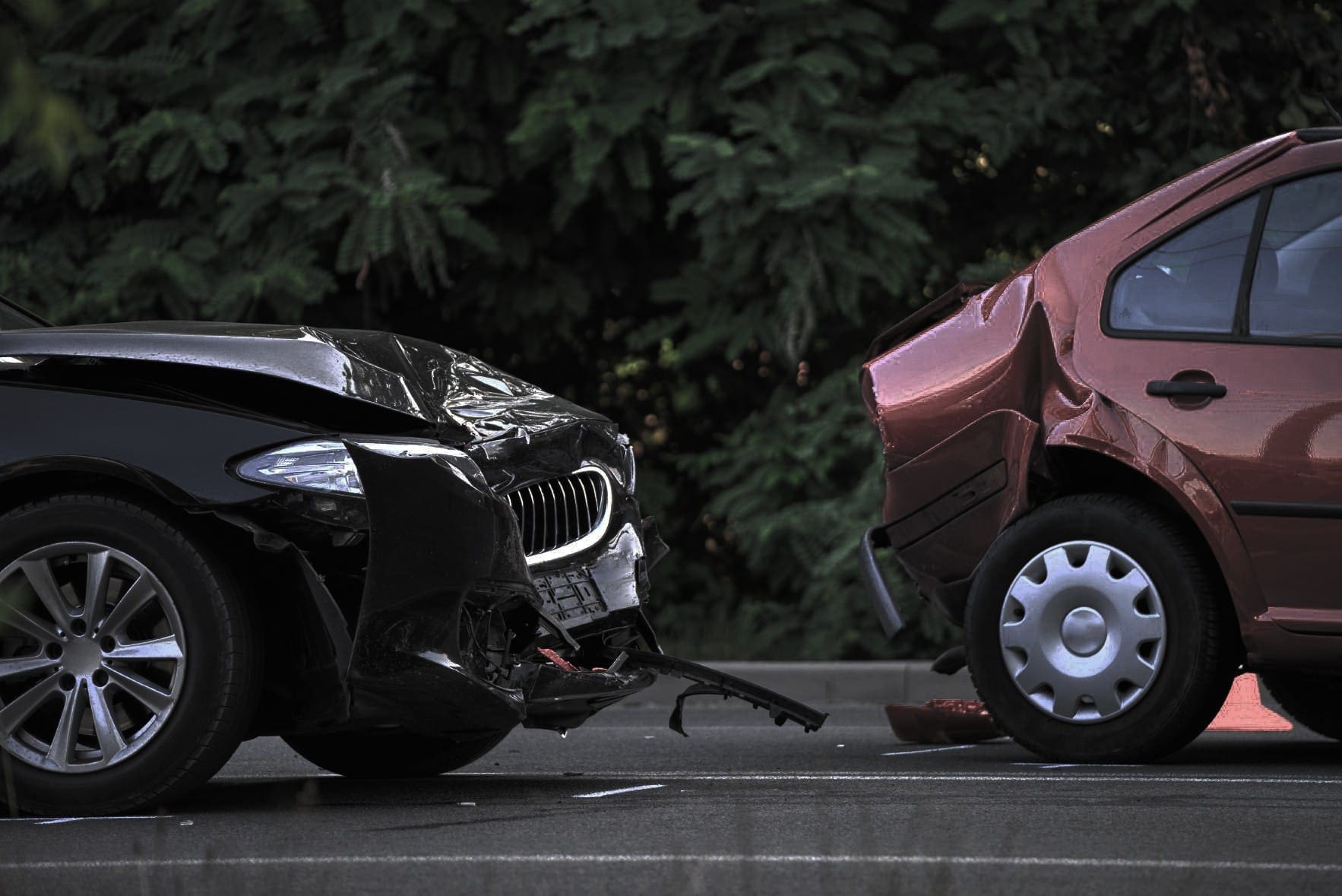
Uber Accident Lawsuit Settlements: How Rideshare Injury Claims Pay
Passengers, rideshare drivers, other motorists and pedestrians hurt in a crash involving an Uber or Lyft can seek payment for medical care, lost income, pain and suffering and other losses when someone else’s negligence caused it.
These claims are harder to navigate than an ordinary crash because the insurance that pays depends on what the driver was doing in the app at that moment: logged off, waiting for a request, heading to a pickup or carrying a rider. Legal Lawsuit explains how that works and offers a free review that can connect you with an injury lawyer who usually charges nothing unless you recover.
Gather These Before You Submit
A few details help the team sort out a rideshare claim faster.
Check Whether Your Uber or Lyft Crash Claim Could Qualify
Send your crash details, injuries, treatment and losses through this short form for a confidential review.
How Uber and Lyft Accident Claims Work
A rideshare accident claim is brought by a rider, a driver or anyone else injured in a crash involving an Uber or Lyft vehicle. Fault is decided the same way as in any crash, but the payment side is layered: different policies apply depending on the driver’s app status when the collision happened.
Legal Lawsuit helps injured people work out whether they likely have a claim, explains the coverage maze in plain terms, and offers a free review that can connect them with an experienced injury lawyer.
Can You Sue After an Uber or Lyft Accident?
You may have a claim if a rideshare driver or another motorist caused or contributed to a crash that hurt you as a rider, a driver or a bystander.
- You were injured in a crash involving an Uber or Lyft vehicle that someone else caused or helped cause.
- You were treated for crash injuries or still need care.
- Your state’s statute of limitations has not expired.
- You have or can get a police report, trip records or witness information.
Who Pays When a Rideshare Vehicle Crashes?
Payment depends on the driver’s app status. Coverage can shift from the driver’s personal auto policy to a contingent policy while they wait for a request, and then to the company’s commercial policy once a trip is accepted.
Uber and Lyft treat drivers as independent contractors, which limits direct claims against the companies, but their commercial insurance usually still responds based on the driver’s status in the app.
For a deeper look at fault, read our guide to whether Uber is liable for accidents.
Driver’s App Status
Offline, waiting for a request or on an active trip: the status decides which policy pays.
App Distraction
Drivers tapping to accept trips or follow navigation can miss what is happening on the road.
Another Driver at Fault
When a third driver hits the rideshare vehicle, that driver’s own insurance may be responsible.
Uber and Lyft Accident Settlements in 2026
There is no fixed payout for a rideshare crash, and online averages are educational estimates, not promises. Values can run higher than typical car claims because, in most states, Uber and Lyft maintain $1 million in liability coverage while a driver is heading to a pickup or carrying a passenger.
| Injury Level (Educational) | Common Characteristics | What Moves the Value |
|---|---|---|
| Catastrophic injuries | Brain or spinal cord injuries. | Lifetime care and lost earnings drive value, and the higher commercial limits can make larger recoveries possible. |
| Serious injuries | Fractures or surgery. | Value follows medical costs, time off work and any lasting effects. |
| Less severe injuries | Sprains, bruises or minor fractures. | Value follows documented treatment and lost income. |
Get advice before you accept any insurer’s first offer. Early offers may not reflect your full injuries or the policy limit that actually applies.
What Causes Rideshare Crashes
App-Distracted Driving
Watching for trip requests or navigation prompts instead of traffic.
Cruising Between Rides
Drivers circling for fares or waiting on requests get into collisions too.
Other Drivers
A careless motorist hits the rideshare car while a passenger is on board.
Fatigue or Impairment
Long hours behind the wheel or alcohol and drugs put riders at risk.
Rushing Trips
Speeding or risky moves to finish rides faster.
Poorly Maintained Vehicles
Personal cars used for driving work that are overdue for repairs.
Evidence That Supports a Rideshare Claim
App Trip Records
Screenshots of the trip, driver details and timestamps saved before they disappear.
Police Report
The official record of the scene, the people involved and the officer’s early view of fault.
Medical Records
Records that tie your injuries and treatment to the crash.
What to Do After an Uber or Lyft Accident
- Call 911 and get medical care, even if your injuries seem minor.
- Screenshot your trip details before they vanish from the app.
- Photograph the scene, every vehicle involved and your injuries.
- Get names and insurance information from all drivers and any witnesses.
- Report the crash to Uber or Lyft through the app.
- Do not give a recorded statement to any insurer without legal advice.
How a Rideshare Accident Claim Moves Forward
- A free, confidential review of whether you have a valid claim.
- An investigation into the driver’s app status and trip data.
- Confirming which insurance policy applies.
- Collecting medical records and proof of losses.
- Negotiating with the responsible insurer.
- Filing a lawsuit if a fair settlement is not offered.
Deadlines for Rideshare Accident Claims
Most states allow one to three years from the crash to file an injury lawsuit, but the rule varies by state. App data can be harder to obtain as time passes, so moving early helps.
Getting legal advice soon after the crash helps preserve evidence and keeps you ahead of every deadline.
Rideshare Accident Questions
How long do I have to file after an Uber or Lyft crash?
Usually one to three years from the crash, depending on your state. Preserve trip records and other evidence as early as possible.
Which insurance pays for a rideshare accident?
It depends on the driver’s status: personal coverage usually applies when the app is off, a lower-limit contingent policy while waiting for a request, and the company’s commercial policy, commonly $1 million in liability coverage, once a trip is accepted or underway.
Can you sue Uber for an accident?
Direct claims against Uber or Lyft are limited because drivers are classified as independent contractors, but the companies’ commercial insurance often covers the crash depending on the driver’s app status.
What can I recover after a rideshare crash?
Medical bills and future care, lost wages and earning capacity, pain and suffering and, for severe injuries, compensation for permanent disability.
How much are Uber accident lawsuit settlements worth?
Value depends on injury severity, medical costs, lost wages and which policy applies. Settlements range widely, from modest amounts for quick recoveries to very large awards for catastrophic injuries, and none are guaranteed.
Do I need a lawyer for a rideshare accident claim?
It is not required, but a lawyer can pin down the right policy, gather app data and other evidence, negotiate with insurers and handle deadlines.
Sources and References
Each source supports the nearest statement. Laws change and vary by state, so confirm details with the official agency before relying on them.
- National Highway Traffic Safety Administration (NHTSA): federal crash and traffic safety data.
- Insurance Institute for Highway Safety (IIHS): independent crash safety research.
- U.S. Department of Justice: general civil litigation information.
Ask for a Confidential Rideshare Claim Review
Use the form above or call to discuss the crash, your injuries and treatment, the evidence, your deadline and your options.