Chain Reaction Crashes: Claims With Multiple Insurers
By Mason ArnaoUpdated

By Mason ArnaoReviewed by Mason Arnao
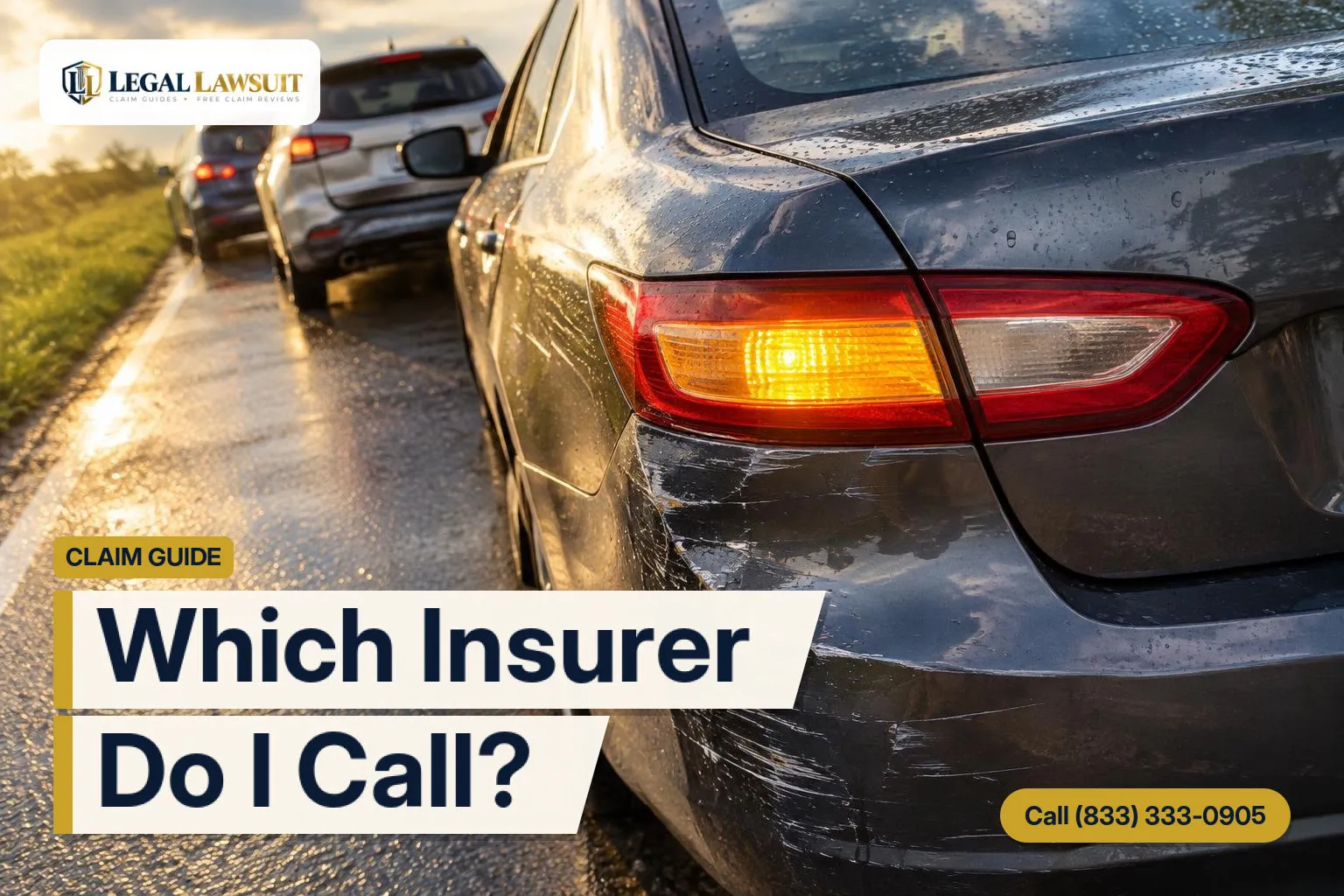
After Chain Reaction Crashes involving several cars, start with your own insurer and identify the contact handling each claim; if adjusters give you different answers, ask for written explanations and keep notes of your conversations. Keep your account focused on what you know about each separate impact, rather than guessing about what happened.
This guide walks through organizing claim contacts, describing the impacts, and checking vehicle repair coverage and rental reimbursement separately. It also explains questions to ask about available coverage, how to address conflicting answers, and why to discuss deductible recovery before signing a release, using California’s explanation of insurer recovery efforts and releases as a clearly labeled example.
Start with your insurer and identify each claim contact
Start with the NAIC’s guidance to report a claim using the contact information on your insurance card. That guidance also calls for cooperating with the assigned adjuster’s investigation. You can begin that conversation by describing the crash as you understand it, without trying to decide which driver caused each impact.
To keep conversations with multiple insurers organized, consider giving each vehicle a consistent label, such as “my vehicle,” “blue SUV,” and “white sedan.” Use those same labels in your notes so you do not have to reconstruct who was involved each time someone calls.
A simple claim-contact list can help. For each insurer you are communicating with, keep these details together:
- Insurer and vehicle: The company’s name and the vehicle or driver associated with that contact.
- Claim number: The reference number provided for that claim.
- Adjuster contact: The adjuster’s name, phone number, and email address.
- Open questions: What you asked, what remains unanswered, and any information you have been asked to send.
This is an organizational suggestion, not a required form. Ask your insurer, “Which coverage under my policy are you reviewing?” and “What additional information do you need about the other vehicles?” Those questions can help clarify the next step without assuming you need to open a claim against every driver.
If an Uber or Lyft vehicle was involved, Legal Lawsuit’s guide to filing a claim when an Uber or Lyft vehicle is involved may help you prepare for that conversation.
Tell each adjuster what you know about the separate impacts
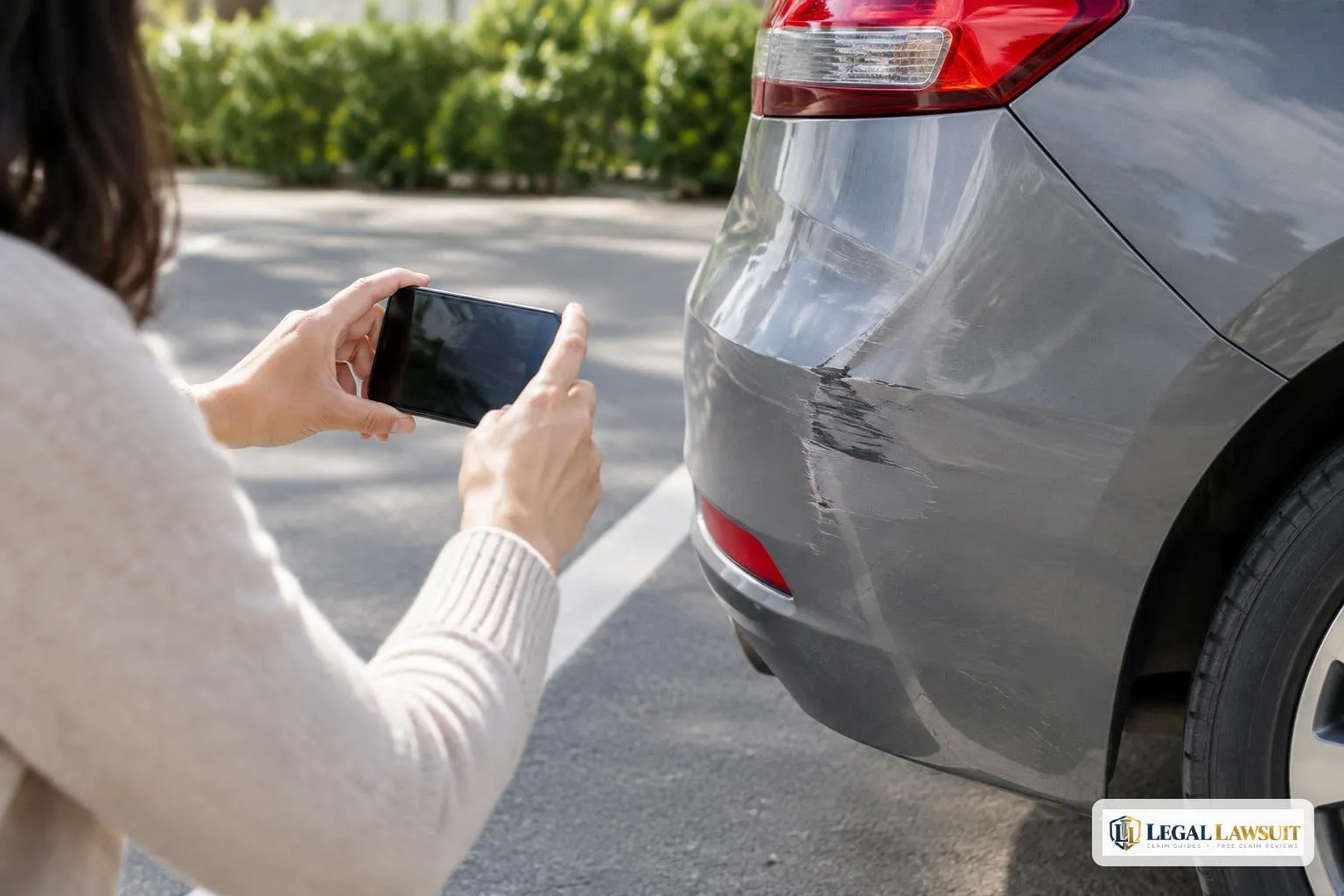
Give each adjuster a clear account of what you personally saw or felt, and leave gaps in your memory as gaps. Start with the evidence you have: the NAIC recommends taking scene photographs, collecting witness contact information, and obtaining the police report.
As a practical communication method—not an official reconstruction—organize your account around your vehicle’s position, the first impact you noticed, any later impact, and the visible damage. These questions can help you prepare:
- Where was your vehicle, and was it stopped or moving?
- Did you feel one impact or more than one? If more than one, can you remember the order?
- What did you actually see before and after each impact?
- Where did you notice visible damage afterward?
- Which details are you unsure about?
“I felt a jolt, then another one, but I don’t know which vehicle made contact first” is clearer than filling in an uncertain sequence. If you cannot tell whether there were separate impacts, say so.
Use consistent vehicle labels with every adjuster, such as “my car,” “the blue SUV behind me,” and “the white sedan ahead.” Separate your observations from someone else’s account: “I saw…” is different from “the other driver told me….” You do not need to adopt another driver’s version to explain what you remember.
Describe bumper damage and vehicle positions without treating them as proof of legal fault, impact speed, what caused an injury, or how many insurance occurrences there were. Keep your account focused on observations rather than conclusions.
Check your repair and rental coverage separately
While the insurers investigate the separate impacts, ask your own adjuster to review your repair coverage and rental coverage as two distinct questions. Collision coverage addresses physical damage from a collision, while rental reimbursement under your own policy depends on having that coverage and its terms. Do not assume that coverage for vehicle repairs also means a rental car is covered.
Use this checklist when you speak with your adjuster:
- Do I have applicable collision coverage? Ask the adjuster to identify the relevant part of your policy.
- What deductible applies? Ask how it would affect payment for your vehicle damage.
- Has an inspection been arranged? Confirm who is coordinating it and whether the adjuster needs anything else from you.
- Do I have rental reimbursement, and what are its limits? Ask about any daily limit, maximum duration or total payment limit in your policy before making rental arrangements.
For your own records, keep three separate discussion tracks: vehicle repairs, rental expenses and injury-related questions. Under each heading, note the claim contact, the question you asked and the answer you received. This is an organizing tool—not an assumption that one coverage or insurer will pay every type of loss.
If an answer is unclear, ask the adjuster to point you to the policy language they are relying on. Keep unresolved repair and rental questions separate so you can follow up on each without losing track of the other.
Ask whether available coverage is part of the problem
Ask the adjuster to distinguish an unresolved question about responsibility from a concern about how much coverage is available. These are different questions: who caused the damage, and whether the applicable insurance can cover the claims.
Texas example: The Texas Department of Insurance warns that minimum liability coverage may be insufficient for a multi-vehicle accident. That example highlights a useful question to ask; it does not establish coverage requirements or claim-handling rules for other states.
If the explanation for a delay is unclear, ask which of these issues remains open:
- Responsibility: “Are you still investigating who caused the crash or a particular impact?”
- Coverage: “Are you reviewing whether the policy covers this claim?”
- Documentation: “Are you waiting for repair estimates, crash records, or other information?”
- Available limits: “Have you identified a potential problem with the amount of coverage available for the claims from this crash?”
Then ask for a clear explanation of what remains unresolved and what information you can supply. For example: “Is there something missing from my claim, or is the unresolved issue something your company is still reviewing?” If the adjuster mentions a possible limit issue, ask whether that concern is confirmed or still under review. The goal is to understand the obstacle—not to estimate your payment from the number of vehicles involved.
Discuss deductible recovery before signing a release
Before signing a proposed release, ask your adjuster how it could affect efforts to recover payments on your claim, including your deductible.
California example: The California Department of Insurance explains subrogation, deductible recovery, and the risk of releasing another party in a way that compromises the insurer’s recovery rights. In this context, subrogation means your insurer seeks reimbursement from another party for money it paid on your claim. The department also explains that policyholders should cooperate with those recovery efforts and avoid jeopardizing the insurer’s recovery rights.
Use that example to frame questions for your adjuster:
- Will you pursue recovery from another party or insurer for this claim?
- How will my deductible be included in those efforts, and how would any recovered money be handled?
- Could this proposed release interfere with your recovery efforts or recovery of my deductible?
- If the claim involves separate impacts, how are you handling the deductible for each claimed loss?
Ask for answers before deciding whether to sign. California’s deductible-handling requirements are not a nationwide rule, and this example does not establish how many deductibles apply to separate impacts. Do not assume that recovery efforts will result in reimbursement of your full deductible.
Get a written explanation when the answers conflict
If the adjusters give you conflicting answers, ask each insurer to explain its own position in writing. The NAIC recommends requesting written explanations of adjuster decisions and contacting your state insurance department when claim-handling or settlement disagreements remain.
Keep the follow-up focused on the question that is still unresolved—for example, which impact an insurer is evaluating or whether it needs more documentation. A written response can make the different positions easier to compare.
You can adapt this optional message outline for each claim contact:
- Claim number: “Please confirm the claim number and the name of the person handling this issue.”
- Unresolved issue: “I still need clarification about [briefly describe the conflicting answers or unanswered question].”
- Documents still needed: “Please list any documents or information you still need from me.”
- Current decision: “Please explain your current decision in writing, including the information you relied on and any policy provisions relevant to that decision.”
If you contact your state insurance department, use that same short summary to explain what remains unresolved and what you have already asked the insurer to clarify.
For families dealing with a fatal crash, Legal Lawsuit’s guide to claim procedures after a fatal car accident offers a separate starting point for understanding that process.
This information is for general education, not legal advice about your particular crash, coverage, or claim.
Keep researching on Legal Lawsuit
Frequently asked questions
Should I report a chain reaction crash to my own insurer while the other companies investigate?
Yes—report the crash to your own insurer rather than waiting for the other companies to finish investigating. The NAIC’s auto-claim guidance recommends reporting the accident and collecting driver information, witness details, photographs, and the police report. Ask for your claim number and the name and contact information of the person handling it.
What should I tell an adjuster if I do not know which impact happened first?
Say that you do not know, and describe only what you actually remember. Separate what you felt or saw from what someone else told you. For example, explain where your car was, which direction you were facing, and whether you remember more than one impact. Ask the adjuster to record the sequence as uncertain rather than treating a guess as your account.
Does collision coverage also pay for a rental car?
Not automatically. The NAIC’s explanation of auto coverage treats collision coverage for damage to your vehicle and rental reimbursement as separate coverages. Ask your insurer to check both parts of your policy: what applies to repairs, and whether you purchased rental reimbursement. Request an explanation of any rental limits before deciding how to arrange transportation.
What should I ask when an insurer mentions a coverage-limit problem?
Ask which coverage limit is involved, whether other vehicles’ claims affect the available coverage, and how that affects your claim. As a specifically Texas example, the Texas Department of Insurance’s auto insurance guide explains that minimum liability coverage may not be enough after a multi-vehicle crash. Request a written explanation of the particular limit the insurer is discussing.
What does California’s insurance regulator say about recovering my deductible?
The California Department of Insurance’s accident guide explains that an insurer’s recovery efforts, called subrogation, can include your deductible. It also warns against signing releases that could jeopardize those recovery rights. For a California claim, ask your insurer whether it is pursuing your deductible and discuss any proposed release before signing it.
What can I do if the adjusters keep giving me conflicting answers?
Put the disagreement in writing. List each claim number, identify the specific question, and ask each adjuster for a written explanation of their position and any information still needed. Keep a dated communication log so you can compare responses. If the conflict remains unresolved, consider contacting your state insurance department to ask what consumer assistance is available.
Sources
- What You Should Know About Filing an Auto Claim · National Association of Insurance Commissioners · 2022-03-28
- Consumer Auto · National Association of Insurance Commissioners
- Auto insurance guide · Texas Department of Insurance · 2025-12-11
- So You've Had an Accident, What's Next? · California Department of Insurance
This article is general information, not legal advice. Laws and deadlines vary by state and change over time; check the linked sources or speak with a licensed attorney about your situation.
Related Posts

An adjuster sent you a medical release to sign after your crash. Here is what a broad authorization can unlock, how a release to your own insurer differs from one to the other driver's insurer, how to narrow it, and how to get your records yourself under HIPAA.
Who covers your rental after a crash depends on fault, the coverage you bought, and whether your car is repaired or totaled. This guide covers the three ways a rental gets paid for, what limits the rental, and what to do while the other insurer is still deciding fault.
Build a practical family plan for phone use, passengers and distractions before your teen drives. Find a separate path to claim guidance if a crash has already happened.