Who Is MRS BPO? What to Check Before You Pay or Dispute
By Mason ArnaoUpdated

By Mason ArnaoReviewed by Mason Arnao
If you’re wondering who is MRS BPO, it is a debt collection agency that may be contacting you about an account assigned to it for collection. Before paying anything, check the validation notice for the creditor’s name, amount claimed, and dispute deadline, then compare that information with your own records rather than assuming the debt is yours or the amount is correct.
This guide explains what to check in MRS BPO’s notice, how to investigate an unfamiliar debt, and how to dispute it in writing within the 30-day window. It also covers limiting contact, protecting your privacy, and what to do if you receive court papers or believe something about the collection is wrong.
Who is MRS BPO?
MRS BPO, LLC is a debt collection company based in Cherry Hill, New Jersey. In its own description, MRS calls itself a “full-service accounts receivable management (ARM) firm.” The company says it was founded in 1991 and serves the financial services, government, student loan, telecommunications and utility sectors. Those details come from MRS BPO’s own company description, rather than an independent assessment of its services.
In plain language, accounts receivable management can mean collecting accounts for creditors. A federal appeals court opinion in Donna DiNaples v. MRS BPO LLC describes MRS as a debt collection agency and explains that Chase assigned a past-due account to MRS for collection. That illustrates why you might hear from MRS instead of the bank or other organization you originally dealt with.
A call or letter from MRS BPO generally means it is seeking payment on an account referred for collection. The contact alone does not establish that the debt is accurate or belongs to you. Before deciding whether to pay or dispute it, focus on identifying the creditor, the account and the amount being requested—not simply recognizing the collection company’s name.
Why MRS BPO is contacting you and what its first notice must say
If MRS BPO contacts you seeking payment, start by checking the details of the debt—not by deciding how to pay. Look for the “validation information,” which explains what the collector says you owe and how you can respond.
Under the federal debt collection rule, collectors must provide validation information that includes these key details:
- The creditor’s name: who the collector says you owe.
- An itemized accounting: the amount as of a specific date, followed by the interest, fees, payments and credits since that date.
- The current amount owed: the total the collector is seeking now.
- A way to respond: instructions for disputing the debt if you believe it is not yours or the amount is wrong.
- A dispute deadline: the end date of the 30-day period for disputing the debt.
If the listed creditor is unfamiliar, you can ask about the original creditor. The FTC explains that you have a right to the original creditor’s name and address if you request that information in writing within 30 days of receiving the validation information.
Keep the notice and compare its account details and itemization with your own statements and payment records. Write down anything you cannot match or understand before discussing payment.
How to check whether the MRS BPO debt is really yours
Before paying or confirming account details, compare the MRS BPO notice with records you already have. A debt validation notice should identify the creditor and account information, itemize the balance, and show the current amount owed. Use those details as your starting point—not as proof that every charge is correct.
- Match the creditor and dates. Compare the creditor name, account number and any dates shown with your statements. If the name is unfamiliar, check older bills rather than guessing which account it represents.
- Reconcile the balance. Compare the itemized amount with receipts, bank records and payment confirmations. Flag payments or credits that appear to be missing.
- Mark anything you cannot explain. Set aside accounts you do not recognize and fees or interest you cannot trace to your original account records. Write down each discrepancy so you can ask a specific question.
- Gather medical and claim records together. If the debt is an accident-related medical bill, collect the bill, any insurance explanation of benefits and your claim paperwork before responding. For context as you organize those records, review how a personal injury claim handles medical bills and deadlines. If you are also pursuing benefits, keep that paperwork alongside the billing records.
If you use the phone, note the caller’s name, the date and what was discussed. Avoid confirming sensitive account details to an unexpected caller until you have checked the notice against your records.
For a similar verification checklist involving another national collector, see our guide to verifying and disputing a debt with The CBE Group.
How to dispute an MRS BPO debt within the 30-day window
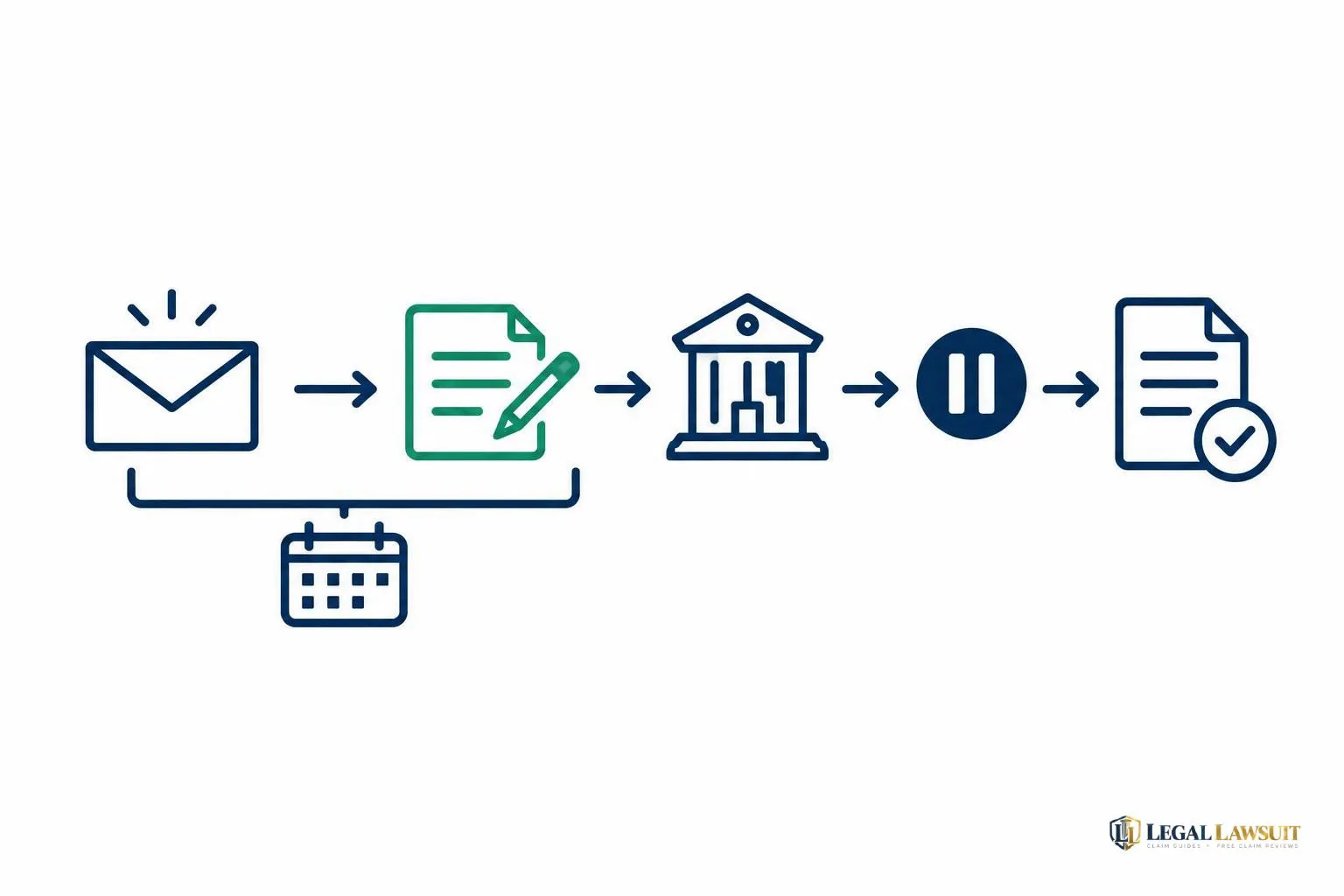
After you receive the validation information, you have 30 days to dispute the debt in writing. Use the dispute end date printed on the notice as your deadline. Missing that deadline—or not putting your dispute in writing—can affect your ability to use these protections, according to the CFPB’s guidance on validation notices and disputes.
To prepare your written dispute:
- Identify the account. Include your name and the reference number shown on MRS BPO’s notice.
- Explain what you dispute. Say whether you dispute the entire debt or a specific amount, and briefly explain why—for example, you already paid it or do not recognize the account.
- Request verification. Ask for written verification of the disputed debt. If needed, also request the original creditor’s name and address.
- Keep your records. Save a copy of your letter, any supporting documents you send, and proof of mailing or submission.
If you send a written dispute or request the original creditor’s information within the 30-day period, MRS BPO must stop collecting the disputed amount until it provides verification or the requested information. The FTC describes verification as written proof, such as a copy of the original bill. If you do not dispute within 30 days, the collector will assume the debt is legitimate. The FTC’s debt collection guidance explains these rules and recommends certified mail with a return receipt so you can document delivery.
Limiting MRS BPO’s contact and protecting your privacy
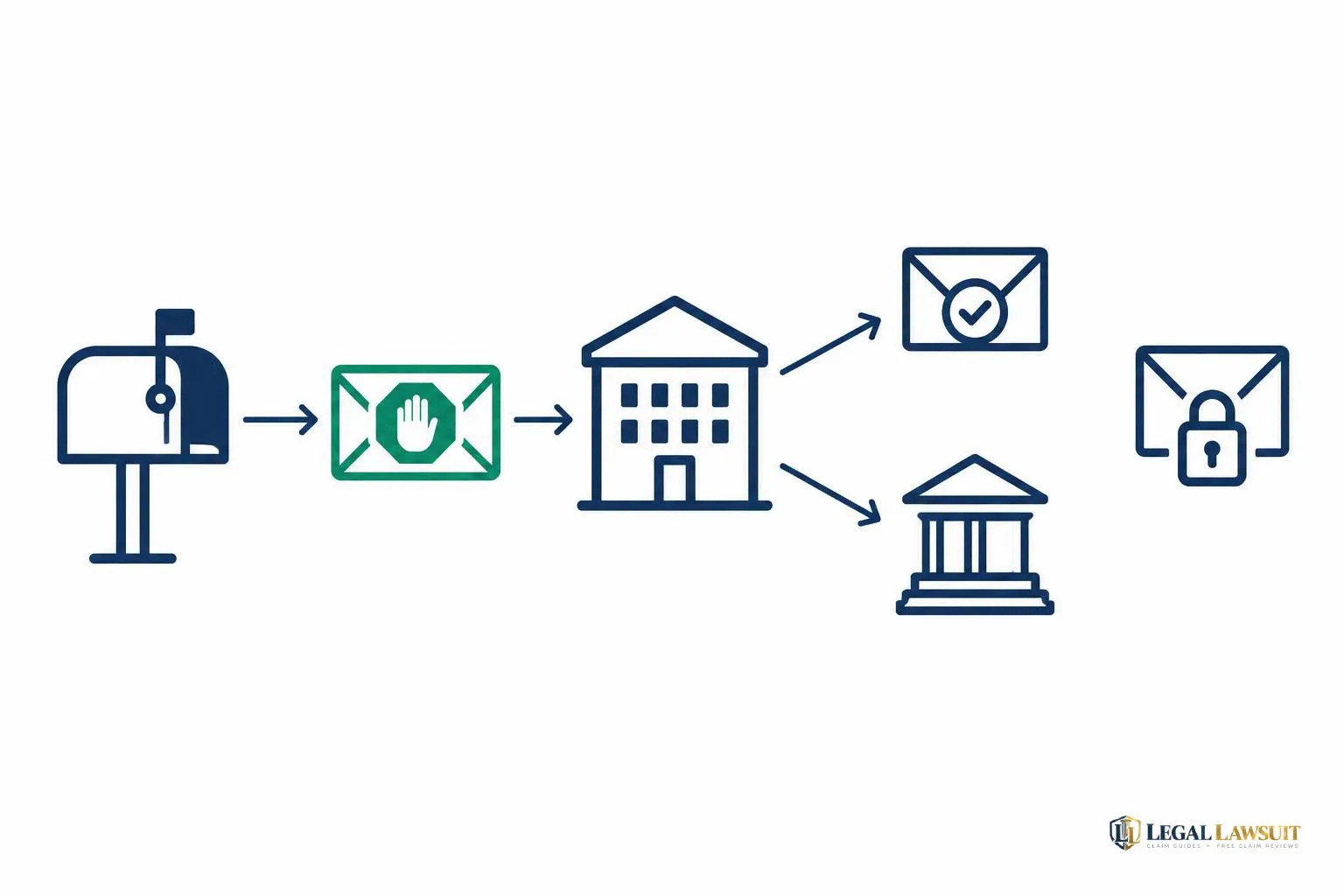
You can mail MRS BPO a letter asking it to stop contacting you. Keep a copy, and consider certified mail with a return receipt so you have proof it arrived. After receiving the letter, the collector may contact you only to confirm it will stop contacting you or to tell you about a specific action it plans to take, such as filing a lawsuit. Stopping contact does not cancel the debt. If you believe the debt is wrong, send a written dispute before or together with your stop-contact request. A written dispute within the validation period requires the collector to stop collection until it sends verification. Your privacy matters, too: generally, a collector cannot discuss your debt with anyone other than you, your spouse, or your attorney, and it cannot tell other people that you owe a debt. The FTC explains these contact, dispute, and privacy protections.
Privacy also extends to collection envelopes. In DiNaples v. MRS BPO, the Third Circuit’s 2019 decision, the court affirmed that a QR code on MRS’s collection envelope violated the Fair Debt Collection Practices Act’s restriction on envelope markings because scanning it revealed the consumer’s account reference number. The ruling comes from the Third Circuit, which covers Pennsylvania, New Jersey, and Delaware. The court did not decide whether a QR code that revealed no account number would also violate the rule.
If an envelope raises privacy concerns, save it along with the letter inside. That gives you something concrete to show an attorney or include when explaining your concern.
If MRS BPO sues you or something about the collection seems wrong
If MRS BPO files a debt collection lawsuit against you, respond by the date listed in the court papers. If a collector is collecting more than one debt from you, it must apply your payment to the debt you choose and cannot apply it to a debt you say you do not owe. You can also report a collector you think broke the law to the FTC. The FTC’s guidance on lawsuits, payment allocation and reporting collectors explains these protections and steps.
Keep a simple collection file. Save every letter and envelope, copies of disputes you send, mailing receipts and payment records. For calls, note the date, who called and what was said. Keep court papers together, with the response date clearly marked. This gives you an organized record to review or share if you seek help.
If another collector is also contacting you, our guide to what to do when AscensionPoint Recovery Services contacts you can help you work through that contact separately. If you are juggling this debt alongside an open claim, you can also explore more Legal Lawsuit guides for people in the middle of a claim for information relevant to that process.
Frequently asked questions
Is MRS BPO a legitimate company or a scam?
MRS BPO is an established company: it describes itself as an accounts receivable management firm founded in 1991 and based in Cherry Hill, New Jersey. But the company’s existence does not prove that a particular caller represents it or that the debt belongs to you. Before paying, compare the collection notice with your own account records and check who is requesting payment.
How long do I have to dispute a debt MRS BPO is collecting?
You generally have 30 days after receiving the validation information to dispute the debt in writing. The notice should state the date that window ends and explain how to respond. Use that date to plan your response, and keep a copy of what you send. Missing the deadline or disputing only by phone can affect your rights.
Can MRS BPO keep collecting after I dispute the debt?
If you dispute the debt in writing within the 30-day validation window, the collector must stop collection until it sends written verification. This pause is not a decision that you owe nothing. In your dispute, identify the account and explain whether you question the entire debt or a particular amount; keep copies of your letter and supporting records.
How do I get MRS BPO to stop calling me?
You can mail a letter telling the collector to stop contacting you. The FTC recommends keeping a copy and considering certified mail with a return receipt. After receiving the letter, the collector may contact you to confirm that contact will stop or to tell you about a specific action it plans to take. The letter does not erase the debt or prevent a lawsuit.
What was the DiNaples v. MRS BPO QR code case about?
In DiNaples v. MRS BPO LLC, the Third Circuit held that a QR code revealing a consumer’s account reference number on a collection envelope violated the Fair Debt Collection Practices Act. The decision concerned the disclosure of account information through that code—not a finding that every QR code is unlawful. If an envelope concerns you, keep it along with the letter inside.
Sources
- MRS News (company press releases and company description) · MRS BPO, LLC · 2023-02-03
- Donna DiNaples v. MRS BPO LLC, No. 18-2972 (3d Cir. 2019) · U.S. Court of Appeals for the Third Circuit (via CourtListener) · 2019-08-12
- Debt Collection FAQs · Federal Trade Commission
- What information does a debt collector have to give me about a debt they're trying to collect from me? · Consumer Financial Protection Bureau
- What can I do if a debt collector contacts me about a debt I already paid or don't think I owe?
This article is general information, not legal advice. Laws and deadlines vary by state and change over time; check the linked sources or speak with a licensed attorney about your situation.
Related Posts

You saw an animal bite someone in Texas. This guide covers what to do first, who you must report to under state law, and how your account as a witness can be used afterward.
You have the right to say no to medical treatment, but in an injury, disability, or workers' comp claim that choice can lower or stop your benefits. Here is how each system treats a refusal, and which reasons the rules accept.
Ninguna calculadora en línea sabe cuánto recibirás de un acuerdo por filtración de datos. Esta guía explica cómo se reparte realmente el dinero y cómo calcular tus propias pérdidas documentadas antes de presentar tu reclamo.