Short answer: This article explains the key facts, eligibility issues, settlement factors, deadlines, and source-backed updates related to this legal topic. Results vary by case facts, evidence, jurisdiction, and representation.
Tupelo Hair Relaxer Cancer Claims: How to File in Mississippi
Why Chemical Hair Relaxers Are Under Scrutiny
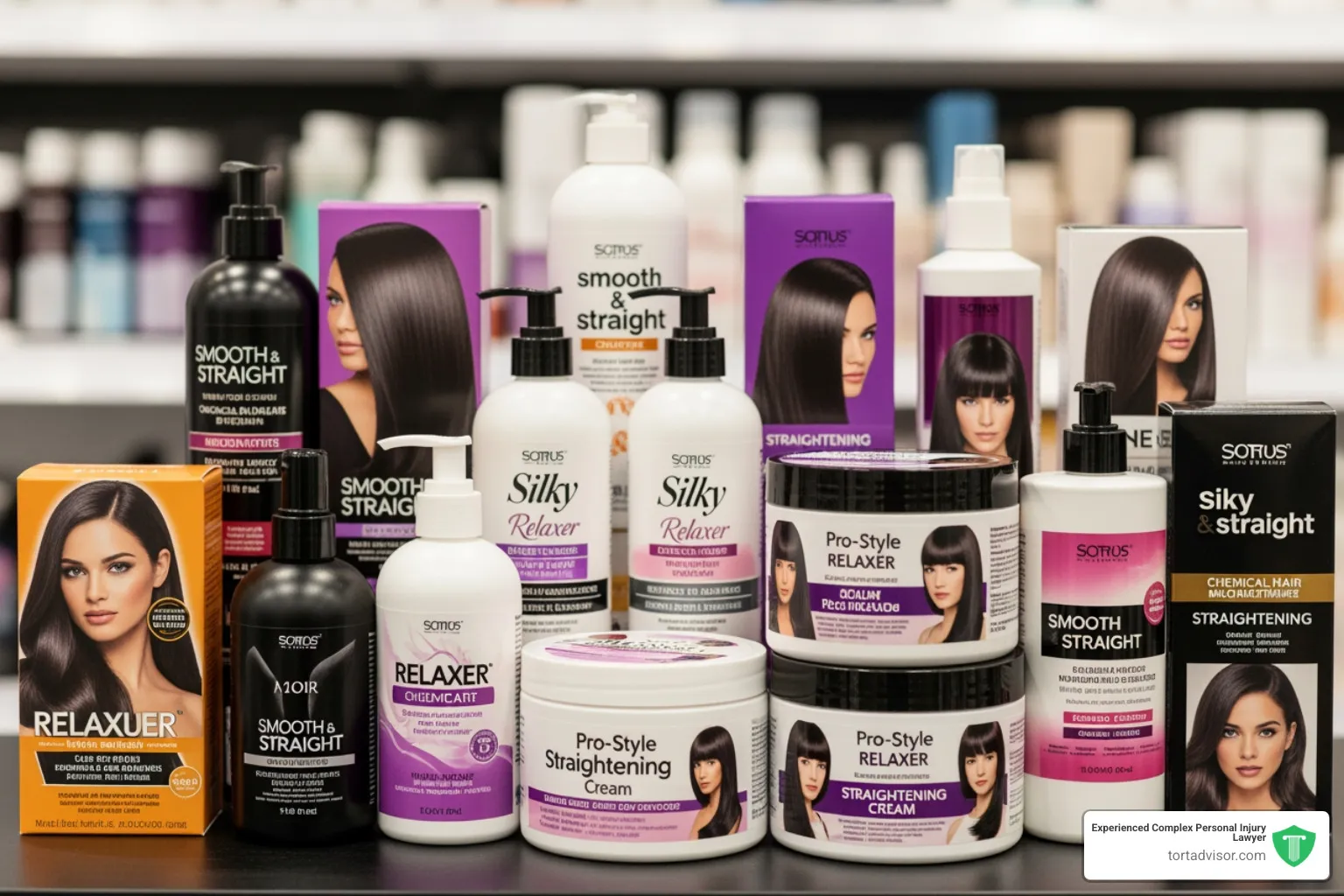
A hair relaxer cancer lawsuit in Mississippi connects Tupelo women to a nationwide fight on behalf of people who became seriously ill after using chemical hair straighteners. If you or someone you love in Tupelo was diagnosed with uterine cancer, ovarian cancer, or a related condition after using relaxers, you may be entitled to compensation.
What Tupelo Residents Should Know:
- The claim: A product liability case against makers of chemical hair relaxers alleged to cause cancer.
- Who may qualify: Women diagnosed with uterine, ovarian, or endometrial cancer, or uterine fibroids, after regular relaxer use.
- Where it stands: More than 8,300 cases have been consolidated in federal MDL No. 3060 in Illinois.
- What it costs: Nothing up front; attorneys are paid on contingency.
- Deadline: Mississippi’s statute of limitations applies, though the “discovery rule” may give you more time.
- Possible damages: Medical costs, lost pay, pain and suffering, and punitive damages.
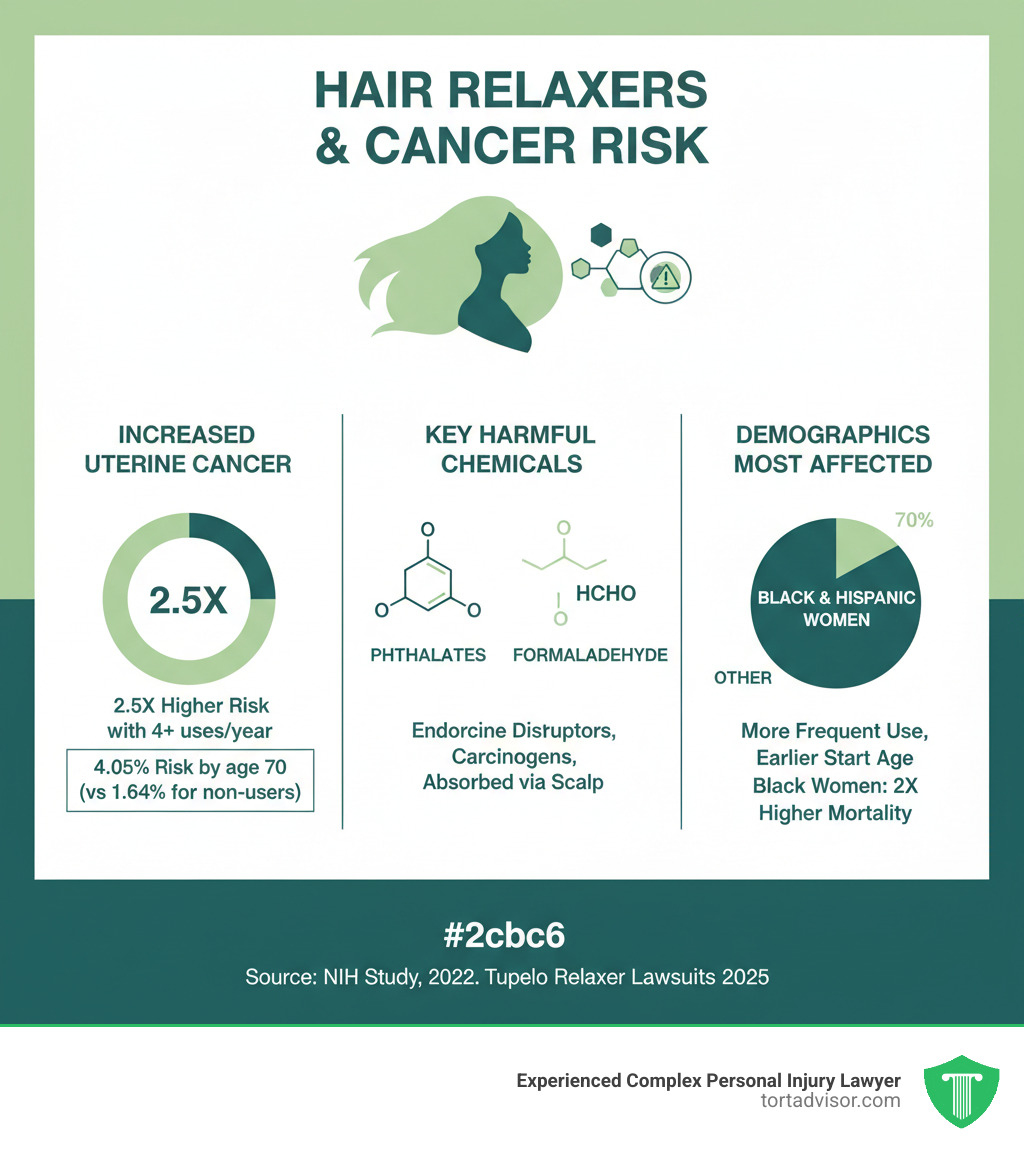
A 2022 National Institutes of Health (NIH) study reported that women who used chemical straighteners more than four times a year had over 2.5 times the risk of uterine cancer. The finding is especially troubling for Black and Hispanic women, who tend to use these products more often and start at a younger age.
Lawsuits name major manufacturers including L’Oréal, Revlon, and SoftSheen-Carson, alleging they did not warn customers about harmful chemicals such as phthalates and formaldehyde in their products. The suits also claim these companies misleadingly promoted brands like Dark & Lovely, Motions, and Olive Oil Relaxer as “safe” and “natural,” particularly to women of color.
Legal Lawsuit is a legal-information site that helps people make sense of complicated legal issues. We help those affected by the Tupelo hair relaxer cancer lawsuit connect with experienced attorneys in our network who can protect their rights.
What the Research Shows
The Tupelo hair relaxer cancer lawsuit rests on scientific research tying relaxers to serious illness. The central concern is endocrine-disrupting chemicals (EDCs), which interfere with the body’s hormones.
Relaxers frequently contain a harmful combination of these substances:
- Phthalates: Disrupt how hormones are made and broken down.
- Formaldehyde: A recognized carcinogen that can be released when products are heated.
- Parabens: Another EDC common in relaxer formulas.
These chemicals can enter the body through the scalp, particularly through cuts or burns from application, and can be inhaled during use. A widely cited October 2022 NIH study on hair straightening chemicals from the National Institute of Environmental Health Sciences found that women who used chemical straighteners at least four times a year were more than twice as likely to develop uterine cancer, and earlier work from the same researchers linked frequent use to roughly double the risk of ovarian cancer.

Illnesses Associated With Hair Relaxers
Exposure to relaxer chemicals has been tied to several serious conditions:
- Uterine Cancer: Frequent users have more than 2.5 times the risk.
- Ovarian Cancer: Regular users face over twice the risk.
- Endometrial Cancer: A form of uterine cancer singled out in the NIH research.
- Uterine Fibroids: A 2012 study connected frequent relaxer use to these benign but often painful growths.
Many women with these conditions have needed a hysterectomy, the surgical removal of the uterus, resulting in infertility and early menopause. If you are coping with injuries this serious, our Catastrophic Injury Attorney Complete Guide may help.
Who Faces the Greatest Risk?
Black and Hispanic women bear a disproportionate share of the risk because they tend to use straighteners more often and from an earlier age, frequently in response to social and economic pressure to meet Eurocentric beauty norms. A CNN Health report on these pressures described a Duke University study finding that Black women with natural hairstyles were less likely to be called back for job interviews.
Lawsuits allege manufacturers understood this and intentionally marketed to women of color with misleading claims that their products were “safe” and “natural.” That makes the Tupelo hair relaxer cancer lawsuit a question of health equity and corporate responsibility, not only product liability.
The Hair Relaxer Cancer Lawsuit in Mississippi: The Bigger Picture
Tupelo claims are part of a national legal effort against major beauty companies. These product liability cases contend that manufacturers must answer for injuries caused by their products.
The suits rely on several core legal theories:
- Failure to Warn: Companies allegedly knew about cancer risks and did not tell consumers.
- Misleading Marketing: Products were sold as “safe,” “organic,” and “natural,” especially to Black women and girls, concealing the real dangers.
- Negligence: Manufacturers are accused of putting profits ahead of safety by skipping adequate testing and disregarding research linking ingredients to cancer.
To learn how these claims work, read our guide to Product Liability Personal Injury.

What Is a Tupelo Hair Relaxer Cancer Lawsuit?
A Tupelo hair relaxer cancer lawsuit is a claim brought by someone in the Tupelo area who developed cancer or another serious condition after using chemical straighteners. Each case is filed individually, but it joins thousands of others seeking accountability and compensation together, with the aim of holding companies responsible and protecting future generations from the same exposure.
Companies and Products Named in the Litigation
The lawsuits are aimed at some of the largest beauty brands. Key defendants include:
- L’Oréal and its subsidiary SoftSheen-Carson, which make Dark & Lovely and Optimum.
- Revlon, a major cosmetics company that has sold relaxers for decades.
- Strength of Nature Global, maker of Motions and the children’s brand Just for Me.
- Namaste Laboratories, which sells Organic Root Stimulator (ORS) and Olive Oil Relaxer products.
Dabur International, PDC Brands, and Avlon Industries have also been named. Even products advertised as “no-lye” or “gentle” allegedly contained the same hormone-disrupting chemicals.
Where the Hair Relaxer MDL Stands
To handle thousands of similar cases efficiently, federal courts combined them into a Multidistrict Litigation (MDL). Hair relaxer MDL 3060 sits in the U.S. District Court for the Northern District of Illinois before Judge Mary M. Rowland.
More than 8,300 cases had joined the MDL at the time of this writing, and filings continue. The litigation has been moving toward bellwether trials, which were scheduled for 2025; check with an attorney for the latest schedule. These test cases help both sides see how juries respond to the evidence and often lead to broader settlement talks. Reuters covered the litigation in its investigation “Thousands of Black women claim hair relaxers gave them cancer,” underscoring how significant this fight is.
Filing in Mississippi: Who Qualifies and What You Can Recover
If you live in Tupelo and were diagnosed with cancer after using relaxers, you may be able to file a claim and recover compensation. An experienced attorney can guide you through each step.
Eligibility Requirements
To qualify for a Tupelo hair relaxer cancer lawsuit, you typically need:
- A History of Use: Regular, long-term use of chemical relaxers or straighteners such as Dark & Lovely, Motions, or Just for Me.
- A Qualifying Diagnosis: A related condition such as uterine, ovarian, or endometrial cancer, or uterine fibroids that required surgery like a hysterectomy.
- Medical Documentation: Thorough records of your diagnosis, treatment, and procedures.
Missing old receipts is not a problem; attorneys can establish your product use through your testimony, photos, and other evidence.
Damages You May Be Able to Recover
A successful claim can compensate you for the harm you have experienced, including:
- Economic Damages: Past and future medical costs, wages lost while unable to work, and reduced future earning ability.
- Non-Economic Damages: Payment for physical pain, emotional distress, mental anguish, and lost enjoyment of life.
- Punitive Damages: Juries can sometimes award punitive damages to punish companies for egregious conduct such as deliberately hiding risks.
Every case is unique, and no reliable settlement figures exist yet. Claim value will generally depend on the diagnosis and its severity, whether surgery such as a hysterectomy was needed, your age, how long you used relaxers, and your medical costs and lost income. To explore these factors, try our Hair Relaxer Settlement Calculator.
Mississippi’s Filing Deadline
Your time to sue is limited. Mississippi generally allows three years for personal injury claims, but the clock does not always start on your diagnosis date.
Under the “discovery rule,” the deadline may start when you learned, or reasonably should have learned, that your cancer was linked to relaxer use. For many women, that awareness came around October 2022, when the major NIH study was released.
These rules are complicated, so talk with an attorney promptly to confirm your timeline and preserve your right to file. Waiting too long could permanently cost you your claim.
If You Think Hair Relaxers Caused Your Cancer
If you believe relaxers played a role in your cancer, taking clear, practical steps now can protect your rights. Here is how to start.

Step 1: Write Down Your History of Relaxer Use
A timeline of your relaxer use is an important foundation for your Tupelo hair relaxer cancer lawsuit. Perfect records are not required, but try to note:
- Dates: When you began and when you stopped using relaxers.
- Brands: Every brand you can recall, such as Dark & Lovely, Motions, or Just for Me.
- How Often: How frequently you applied them (for example, every 6–8 weeks).
- How Long: The total number of years you used them.
- Where: Whether you applied them at home or had them done at a salon.
Your own account, old pictures, and statements from relatives or friends can all help prove your history of use.
Step 2: Collect Your Medical and Personal Records
Pull together documents about your health and product use, since they will form the core of your claim. Important items include:
- Diagnostic Records: Pathology and biopsy reports, plus your oncologist’s notes.
- Treatment Records: Documentation of surgery such as a hysterectomy, chemotherapy, radiation, and medications.
- Evidence of Use (if you have it): Receipts, product packaging, or photos showing relaxed hairstyles over time.
Keeping these organized will make the legal process easier.
Step 3: Talk to an Attorney Who Handles Hair Relaxer Cases
The most important step is consulting an attorney experienced with hair relaxer litigation.
- Free Case Review: Reputable attorneys offer no-cost, no-obligation evaluations to discuss your options.
- Know What to Expect: An attorney can explain your rights, gauge the strength of your claim, and walk you through the MDL process.
- No Fees Up Front: These attorneys work on contingency, taking a percentage of any recovery and charging nothing if there is none.
Choosing the right attorney matters. Our guide How Do I Find A Good Personal Injury Lawyer explains what to look for, and Legal Lawsuit can help you connect with experienced attorneys in our network.
Tupelo Hair Relaxer Cancer Lawsuit: Common Questions
Thinking about a Tupelo hair relaxer cancer lawsuit raises plenty of questions. Below are answers to several of the most common.
Will I need receipts to prove I used relaxers?
No. Few people keep receipts for decades, and your claim can rest on other evidence, including:
- Your own detailed account of how you used the products.
- Photos of your relaxed hair through the years.
- Records from salons that relaxed your hair.
- Statements from relatives or friends who can confirm your use.
An experienced attorney knows how to document your use effectively even without receipts.
What does a lawyer cost for a hair relaxer lawsuit?
Nothing up front. Attorneys in our network work on contingency, so you pay no attorney fees unless they obtain a settlement or verdict for you. Their fee comes out of the final recovery as a percentage, and if there is no recovery, you owe no fees — making skilled representation affordable for anyone.
Is it too late if I was diagnosed years ago?
Not necessarily. Mississippi’s general deadline is three years, but the “discovery rule” matters a great deal: the clock may not start until you learned, or reasonably should have learned, about the link between relaxers and your cancer. For many women, that happened only in late 2022, when the major NIH study came out.
Since these deadlines are strict and complicated, contact an attorney right away to review your timeline and find out whether you can still file. Delaying could cost you the chance to pursue justice.
Getting Help With a Tupelo Hair Relaxer Cancer Lawsuit
A cancer diagnosis is hard enough without learning a product you trusted may have caused it. For Tupelo women harmed by hair relaxers, pursuing a claim is an important step toward accountability and healing.
Legal Lawsuit makes it easier to find skilled legal help. As a legal-information site, we help people affected by the Tupelo hair relaxer cancer lawsuit connect with experienced attorneys in our network who understand the science and the strategies needed to take on large corporations.
Getting started is simple and free: request a confidential case review to learn your options with no obligation. Attorneys in our network work on contingency, so there is no fee unless there is a recovery.
You don’t have to take this on alone. Visit our Hair Relaxer Cancer Lawsuits page to learn more and take your first step toward justice and compensation.
Related Posts
Quick Answer: The Boy Scouts of America (BSA) filed for Chapter 11 bankruptcy in 2020 after facing tens of thousands [...]
Quick Answer: Survivors of sexual abuse by Catholic priests, nuns, or other Church personnel may be able to file a [...]
Quick Answer: Clergy abuse settlements vary enormously based on the severity of the abuse, the strength of evidence that the [...]