
Short answer: This article explains the key facts, eligibility issues, settlement factors, deadlines, and source-backed updates related to this legal topic. Results vary by case facts, evidence, jurisdiction, and representation.
📋 Table of Contents
- When Legal Help Becomes Essential After an Accident
- Understanding the Role of a Personal Injury Lawyer
- When You Absolutely Should Hire a Personal Injury Lawyer
- Do I Need a Personal Injury Lawyer for a Minor Incident?
- The Practicalities: Costs and Choosing the Right Attorney
- Frequently Asked Questions about Hiring a Personal Injury Lawyer
- Conclusion: Making Your Final Decision
Do I Need a Personal Injury Lawyer? When Legal Help Really Matters
“Do I need a personal injury lawyer?” is one of the first questions people ask after being hurt by someone else’s carelessness. The right answer depends on a handful of factors that can shape whether you get fair compensation.
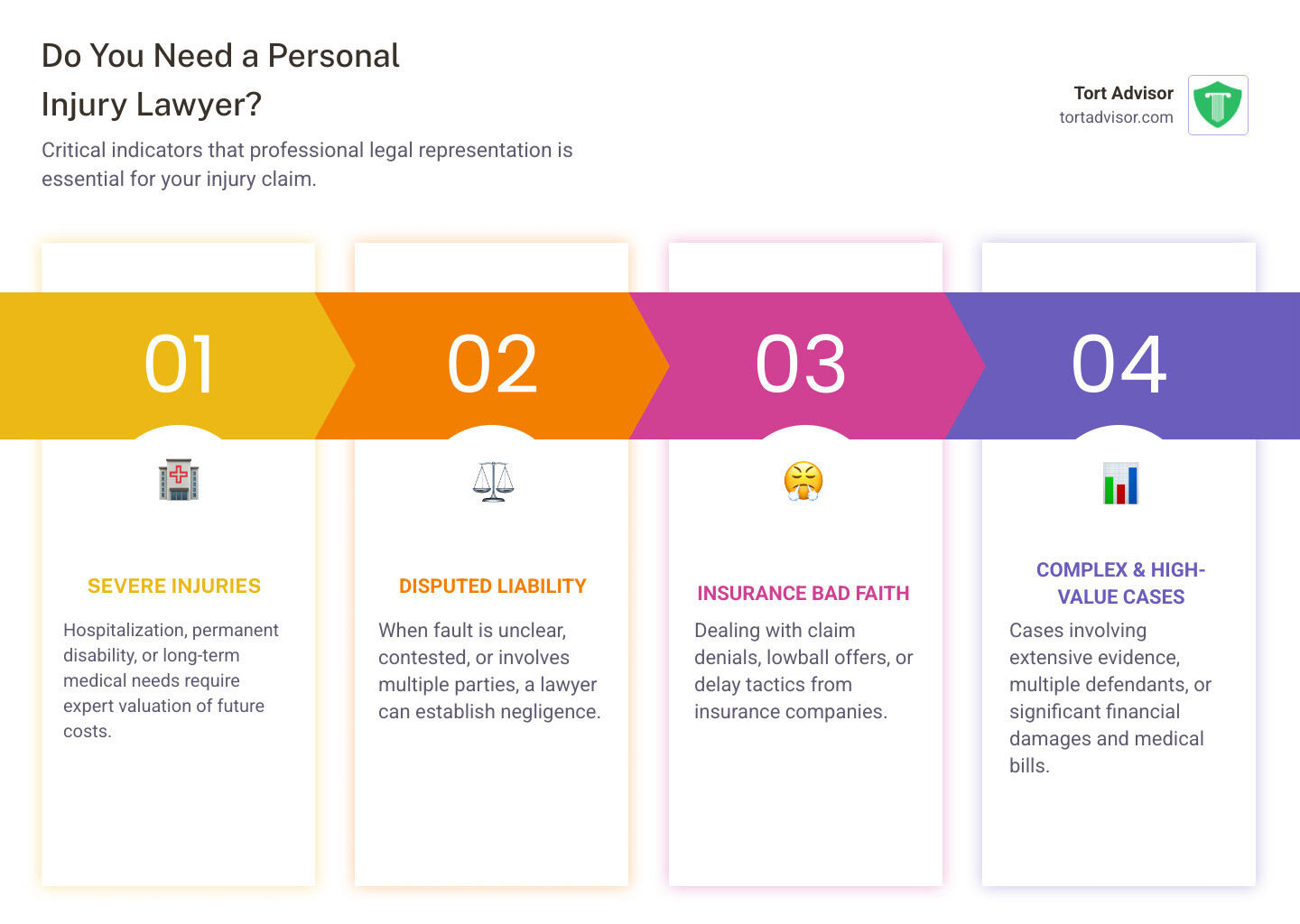
Situations where hiring a personal injury lawyer is strongly advised:
- Serious injuries that put you in the hospital or leave lasting disability
- Fault in dispute, where responsibility is unclear or contested
- Bad-faith insurer conduct, such as denials or lowball offers
- Complicated claims with several parties or technical evidence
- Large medical bills running well into the thousands
Handling it on your own may work if:
- Your injuries were minor and have fully healed
- Fault is obvious and nobody disputes it
- The insurer’s offer fairly covers all your losses
- No lasting health effects are expected
After an accident, bills can pile up while you are unable to work. By some estimates, more than 39 million Americans seek hospital care for injuries each year, and many of them wrestle with whether to get a lawyer.
The decision matters. Surveys of injury claimants have consistently found that people with legal representation tend to recover substantially more than those who handle claims on their own, even after fees. Still, not every situation calls for an attorney, and knowing the difference can save you time and stress.
I’m Mason Arnao. Working with legal data systems has shown me how important this decision is for injured people, and what tends to separate claims that succeed from those that come up short.
What a Personal Injury Lawyer Actually Does

A personal injury attorney is on your side when someone else’s negligence hurts you. They practice tort law, the area covering harm caused by others, and steer you through negligence claims, court procedures and insurer tactics that are hard to manage while recovering.
How an Injury Lawyer Helps
If you are asking “do I need a personal injury lawyer,” it helps to know what one does. Their legal work covers a lot of ground.
Investigating and collecting evidence comes first. Your attorney gathers police reports, medical records and witness statements, and may bring in experts to reconstruct the accident and uncover details you would miss.
Managing paperwork is essential. Your lawyer handles forms and deadlines so a technicality does not sink your claim.
Dealing with insurers is a central task. Adjusters try to pay as little as possible; your lawyer handles every conversation and counters their tactics to protect your recovery.
Valuing your damages means more than adding up today’s bills. A capable attorney accounts for future treatment, lost earning ability and pain and suffering so you pursue full compensation.
Safeguarding your rights means having someone who tracks statutes of limitations and complicated procedures for you. For more on the legal process, see our guide to personal injury lawsuits.
Filing the claim and negotiating a settlement take skill. Your lawyer files, negotiates for a fair result and, when needed, is ready for trial.
Common Personal Injury Cases
Injury lawyers take on many kinds of cases involving harm caused by negligence.
Car crashes are the most frequent and often involve tricky insurance questions and fault disputes.
Slip and fall injuries happen when property owners do not keep premises safe, and proving fault requires knowing premises liability law.
Medical malpractice claims involve negligent care by health professionals and require expert testimony showing the standard of care was breached.
Product liability cases hold makers and sellers responsible for injuries from defective products.
On-the-job injuries may go beyond workers’ compensation when a third party is responsible or an employer was seriously negligent.
Wrongful death claims let families seek compensation when negligence takes a loved one’s life.
Because these cases can be complicated, hiring a lawyer is often the smart move when a lot is at stake.
When Hiring a Personal Injury Lawyer Is Strongly Recommended

Some circumstances make a lawyer close to essential — typically when the stakes are high, the legal issues are complex or an insurer is set on paying you as little as possible.
Serious Injuries or Long-Lasting Effects
If your injuries are serious, keep you from working or cause significant pain, a lawyer is worth having. Examples include:
- Spinal Cord Injuries: May cause paralysis and require lifelong care.
- Traumatic Brain Injuries (TBI): Even a seemingly mild head injury can leave lasting cognitive problems; the CDC offers more on traumatic brain injury (TBI). Legal Lawsuit can connect you with experienced Brain Injury Attorneys.
- Permanent Impairment or Disfigurement: Such as amputation, severe burns or major scarring.
- Broken Bones: Particularly fractures needing surgery or long rehab.
- Internal Injuries: Sometimes hidden at first but capable of serious complications.
- Whiplash: When pain lingers and recovery takes months.
Serious injuries bring costs well beyond the first round of bills — future care, lost income and pain and suffering. An experienced lawyer projects those long-term costs and pushes for full compensation, and since even a low-speed crash can cause lasting harm, legal guidance can be vital.
Fault Is Unclear or Contested
When responsibility is murky or the other driver’s insurer is pointing at you, a lawyer becomes extremely valuable.
- Several Parties: In crashes involving several parties, such as a truck collision, the driver, carrier and manufacturer may share fault. A lawyer can identify everyone responsible.
- Disputed Fault: Insurers often try to shift blame to cut payouts. Under comparative fault rules, like the Texas modified comparative fault laws, that can shrink or wipe out your recovery. A lawyer uses evidence and experts to show who was truly at fault.
- Flawed Reports: Your attorney can challenge mistakes in police reports or early assessments that could hurt your claim.
The Insurer Is Acting in Bad Faith
Insurers are businesses focused on profit. If you see any of these warning signs, get legal help:
- Denied Claim: A lawyer can evaluate whether a denial holds up and spot possible “bad faith” conduct that might support a separate claim.
- Low Offer: Insurers often float low numbers hoping you will take them quickly. A lawyer knows what your claim is really worth and negotiates accordingly.
- Stalling: Delays are sometimes used to wear you down into settling for less. A lawyer can push the insurer to move.
- Refusal to Pay or Cooperate: When an insurer will not negotiate or pay what it owes, a lawyer can file suit.
- Pressure to Sign: Never sign a settlement without legal review. These binding releases end your claims for good, even for injuries that surface later.
Do I Need a Personal Injury Lawyer for a Minor Accident?
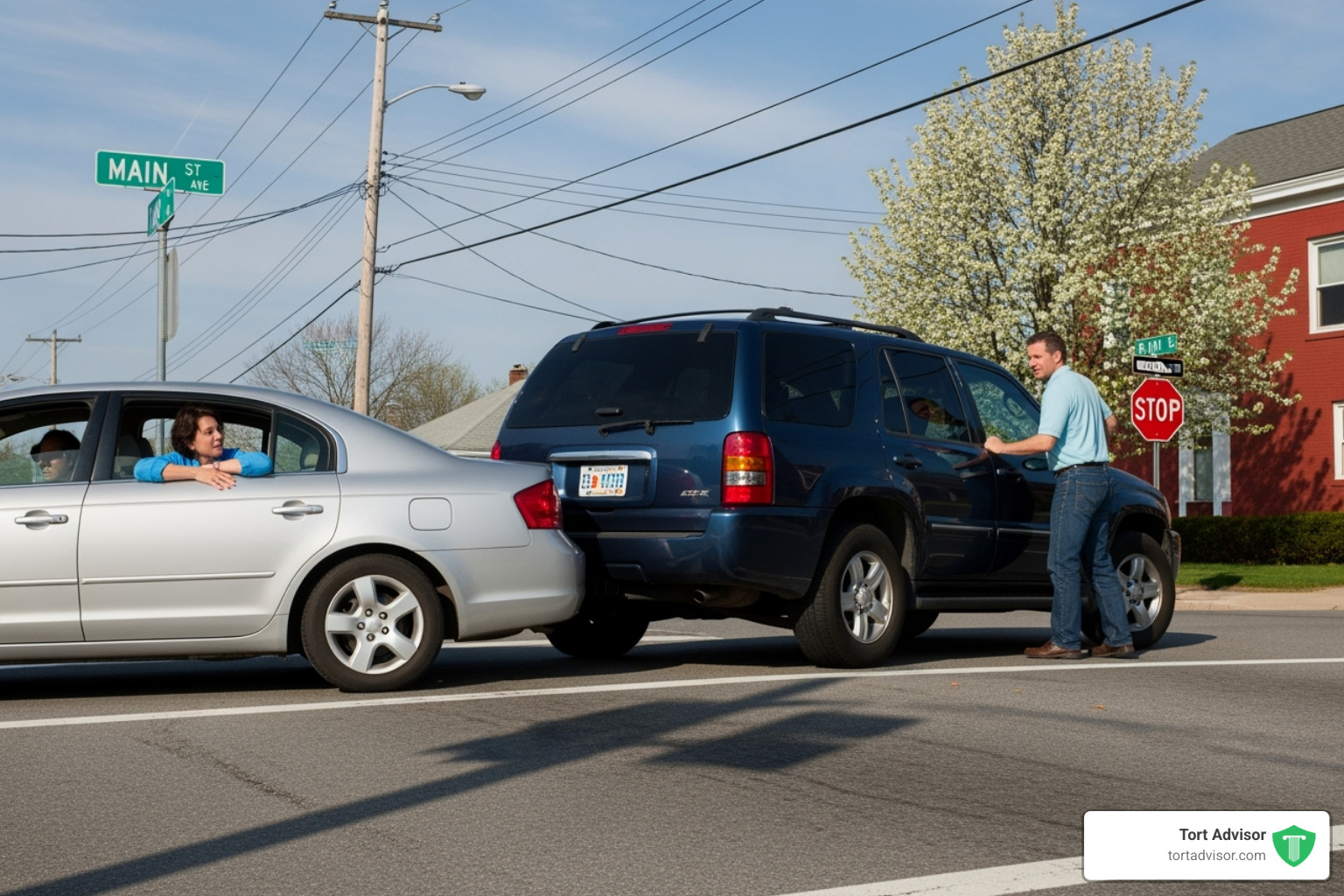
Minor incidents do not always require a lawyer. When damages are small, fault is clear and the insurer is cooperative, you may be able to handle the claim yourself — so the answer to do I need a personal injury lawyer can sometimes be no.
When Handling the Claim Yourself Can Make Sense
Going it alone may be reasonable if all of these apply:
- No Injuries or Only Minor Ones: No hospital stay, no ongoing pain and a quick, full recovery.
- The Other Party Is Clearly at Fault: Nobody disputes who caused the accident.
- The Offer Covers Everything: The insurer’s offer pays all medical bills, lost wages and property damage.
- Low Claim Value: When total losses are small, a contingency fee may not make financial sense.
Reasons to Stay Careful
Even small claims carry potential traps:
- Symptoms That Show Up Later: Injuries such as whiplash can appear days afterward, and settling too soon means giving up compensation for them. Get checked by a doctor after any accident.
- Why a Medical Exam Matters: Doctors can find hidden injuries, and without records it is hard to tie symptoms to the accident. Read more about Common Motor Vehicle Accident Injuries.
- Overlooked Costs: Physical therapy, counseling and similar expenses may not be obvious at first.
- Releasing Your Rights: Insurers may push for a fast settlement, and signing a release ends your ability to seek more even if new problems appear.
- Adjuster Tactics: Even on small claims, friendly-sounding adjusters may try to reduce payouts or draw out statements that hurt you.
Practical Questions: Fees and Choosing an Attorney
Cost and finding the right lawyer are common worries after an accident. Understanding these basics can make the do I need a personal injury lawyer decision easier.
How Are Personal Injury Lawyers Paid?
Worrying about fees is natural when medical bills and lost income are already piling up. Thankfully, most personal injury attorneys, including those in the Legal Lawsuit network, work under a contingency fee agreement, so there are no upfront charges or hourly bills.
The fee depends on a successful outcome. If the lawyer does not obtain a recovery, you owe no attorney fees — a “no win, no fee” setup that takes pressure off injured people.
When the case succeeds, the fee is an agreed share of the recovery, commonly 25% to 40%, often lower for early settlements and higher if the case goes to trial.
Case costs like filing fees and expert charges are separate from the fee. Lawyers usually front these costs and are repaid from the settlement, so ask about them at your free consultation.
This arrangement lets ordinary people take on large insurers without worrying about hourly bills, putting justice within reach.
Choosing the Right Lawyer Once You Decide to Hire One
After deciding you need a lawyer, take time to find the right one, since a strong working relationship matters. Look for:
- Relevant Focus: A lawyer who concentrates on personal injury and represents injured people (plaintiffs), not insurers, with experience in cases like yours.
- A Solid Track Record: Past results are no guarantee, but a history of good settlements and verdicts suggests skill. Legal Lawsuit connects people with experienced attorneys in our network.
- Responsiveness: Choose someone who explains things clearly, listens and gets back to you. Trust and communication are the foundation of a good relationship.
- Reviews and a Free Consultation: Read reviews, ask for referrals and use the free consultation to interview lawyers, talk through your case and judge the fit.
Picking the right attorney is an important step. Our guide on How To Find The Right Personal Injury Lawyer and our Find Trusted Personal Injury Attorneys resource can help you find someone who will advocate hard for you.
Personal Injury Lawyer FAQs
Questions are normal after an accident. Here are answers to common concerns when you are deciding do I need a personal injury lawyer.
How long do personal injury cases usually take?
Timelines depend on complexity, injury severity and how willing each side is to negotiate. A typical car accident settlement may take around 10–11 months to allow for treatment and evidence gathering, while many claims resolve out of court in a few months. Once a lawsuit is filed, litigation can last years because of discovery, depositions and trial preparation.
Factors that affect the timeline:
- How Serious the Injury Is: Bigger injuries mean longer recovery and more documentation.
- Fault Disputes: Disagreement about responsibility means more investigation.
- Insurer Strategy: Some insurers stall deliberately to apply pressure.
- Court Backlogs: Crowded dockets can slow a case down.
A good attorney focuses on full compensation, which sometimes means not rushing.
Which evidence matters most in an injury claim?
Solid evidence is the core of any claim. The most important items:
- Medical Records and Bills: Essential proof of injuries, treatment, prognosis and costs.
- Police or Incident Reports: An official record of what happened and an early view of fault.
- Photos and Video: Capture the scene, vehicle damage, your injuries and relevant conditions.
- Witness Accounts: Get contact details from anyone who saw the accident, since their statements can back you up.
- Lost Income Records: Pay stubs and employer letters showing missed work and pay.
- Property Damage Records: Repair estimates and proof of your vehicle’s value.
- Expert Opinions: In complex cases, experts can help prove negligence and measure your full losses.
- A Daily Journal: Notes on pain and how life has changed help support pain and suffering damages.
What can happen if I skip a lawyer on a serious claim?
Handling a serious injury claim alone carries real risk, because the system is complicated and mistakes are costly:
- Smaller Settlements: Unrepresented claimants tend to receive considerably less, since insurers know they may not grasp a claim’s full value.
- Blown Deadlines: Every state has a firm statute of limitations, and missing it by even one day can end your claim. A lawyer keeps you on schedule.
- Missed Future Damages: On your own, it is easy to overlook future care, lost earning ability and pain and suffering.
- More Stress: Juggling legal steps and insurer negotiations while recovering is exhausting.
- Costly Mistakes: Without legal knowledge, you might admit fault or sign away rights, putting the claim at risk.
- Going Up Against Insurers Alone: Insurers employ teams dedicated to lowering payouts, and a lawyer evens the odds.
Final Thoughts: Deciding Whether to Hire a Lawyer

Figuring out do I need a personal injury lawyer after an accident can feel overwhelming, but good information makes it easier to choose with confidence. Minor incidents may not need legal help, while serious injuries, contested fault or difficult insurers usually do, and a trustworthy legal advocate can lift a heavy load.
Legal Lawsuit understands what you are facing. As a legal-information site, we help you understand your options and connect with experienced attorneys in our network across all 50 states, including major cities like Chicago, Fort Lauderdale, Miami and Hollywood, through a free, confidential case review.
Weighing Your Options
To decide whether hiring a lawyer makes sense, consider:
- How badly you were hurt: Significant injuries, ongoing care or lasting effects call for a lawyer who can account for future damages.
- How the insurer is behaving: Denials, low offers, stalling or unfair blame are signs an attorney should step in.
- How complex the claim is: Unclear fault, several parties or complicated facts make legal experience especially valuable.
A good lawyer brings peace of mind, handling the legal work so you can focus on getting better, and an experienced advocate is a major asset against large insurance companies.
Ready for the next step? Most injury lawyers offer a free, no-obligation consultation where you can describe the accident, learn your options and decide whether representation fits. A professional opinion rarely hurts.
Learn more in our guide to personal injury lawsuits, and let Legal Lawsuit help you find the right attorney to pursue the compensation you deserve.
Related Posts
Quick Answer: The Boy Scouts of America (BSA) filed for Chapter 11 bankruptcy in 2020 after facing tens of thousands [...]
Quick Answer: Survivors of sexual abuse by Catholic priests, nuns, or other Church personnel may be able to file a [...]
Quick Answer: Clergy abuse settlements vary enormously based on the severity of the abuse, the strength of evidence that the [...]