SSDI Dire Need Request: How to Ask SSA to Expedite
By Mason ArnaoPublished

By Mason ArnaoReviewed by Mason Arnao

To make an ssdi dire need request, contact SSA, explain that you cannot meet basic needs such as food, medicine, or shelter, and ask for priority processing because of dire need. If you have a terminal illness, tell SSA and ask for Terminal Illness (TERI) handling, a separate process for expediting claims involving terminal conditions.
This guide explains what qualifies, how to request priority while your claim is at the initial or reconsideration stage, and how to notify the hearing office if you are waiting for a hearing. It also covers other critical-case categories, including certain military-service claims and safety concerns, what information to provide, and how to follow up without assuming a decision date.
Can SSA expedite your disability claim?
Yes—but priority handling is not a promised decision date. SSA lists dire need, terminal illness, homelessness, and certain military and medical cases for priority processing. Its guidance calls for expedited development of priority cases; it does not give you a claimant-specific completion timetable. The goal of your request is to explain why your circumstances call for priority attention, not to secure a particular decision date.
Start by identifying where your claim is now: an initial application, reconsideration, or a hearing request. Then explain the specific circumstances behind your request, rather than asking only to move ahead in line. Keep your explanation concrete: what is happening, how it affects you, and what information you have that helps explain the situation. That gives your request a clear focus.
Use this guide to work through requesting priority handling. If you need help placing that request in the broader process, Legal Lawsuit’s guide to filing an SSDI claim and understanding the appeals ladder explains the claim stages. Our guide to SSDI wait times at each stage provides broader timing context, separate from the question of whether to request priority handling.
What qualifies as dire need?
Dire need means you do not have enough resources to address an immediate threat to your health or safety. This can include going without food or necessary medical care, or hardship caused by interrupted benefits. Unless there is evidence to the contrary, SSA should accept your statement that you are in dire need under its dire need instructions.
At the hearing stage, losing utilities can qualify as dire need if it makes your home uninhabitable. Homelessness also has a separate critical-case designation under SSA’s hearing-office criteria.
Describe the immediate problem, not just that money is tight. A clear request can explain:
- What you cannot obtain: Identify the food, medical care, medication, or essential utility service you are going without.
- Why resources are unavailable: Explain what income or benefits stopped, what money you have available, and why other help is not covering the need.
- How this affects your safety now: Describe the current consequence, such as missed medication or living without heat, rather than only a possible future hardship.
Use concrete details that are true for you. If you have a shutoff notice, a benefits interruption notice, or information showing an unmet medical need, consider referring to it in your explanation. Keep the focus on what you lack and the immediate health or safety problem it creates.
When terminal illness calls for TERI handling
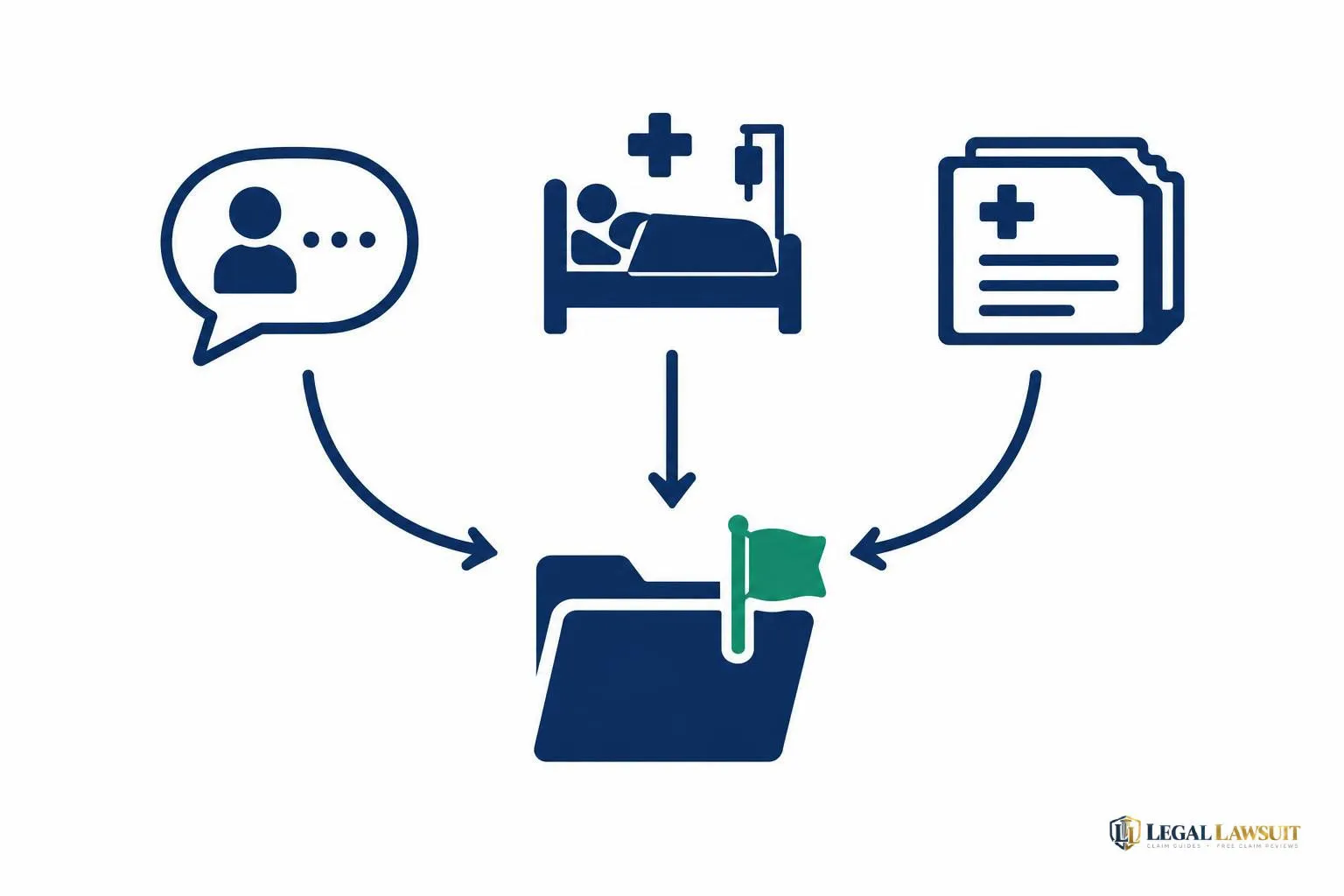
If your disability claim involves a terminal illness, ask SSA to consider Terminal Illness (TERI) handling. SSA defines terminal illness as an untreatable condition expected to result in death and expedites TERI cases throughout the disability process. Its instructions recognize reports from the claimant or another person, hospice care, and medical records as ways to identify a possible TERI case. The medical examples in the instructions are not an exhaustive list. TERI is also distinct from Compassionate Allowances, a separate way SSA identifies certain claims for expedited processing. These distinctions appear in SSA’s TERI instructions.
Information That Can Identify a TERI Case
Reported condition
SSA can identify a potential TERI case from a claimant’s or third party’s report.
Hospice care
SSA lists hospice care as a TERI identification descriptor.
Medical records
Records can identify an untreatable condition expected to result in death.
When writing to SSA, describe the condition plainly, identify the treating provider, and point to relevant medical records or hospice information. You might write: “Please consider my disability claim for TERI handling. My treating provider is [name], and relevant records are available from [provider or facility].” Explain what those records show rather than trying to match your condition to a listed example. This gives SSA a clear request and identifies the medical information you want it to review.
Other critical cases: military service and safety concerns
Dire need is not the only reason a hearing office may give a disability claim priority. Under SSA’s critical-case procedures, hearing-level categories include terminal illness (TERI), qualifying veterans’ disability compensation ratings, Military Casualty/Wounded Warrior cases, Compassionate Allowances, homelessness, dire need, and certain safety concerns.
Military Casualty/Wounded Warrior status includes an impairment sustained during active duty on or after October 1, 2001, regardless of where or how it occurred. The key point is not whether the impairment happened in combat: the criteria address impairments sustained during qualifying active-duty service. This is a separate category from priority based on a qualifying veterans’ disability compensation rating.
Safety concerns include suicidal, homicidal, or potentially violent circumstances. If these concerns genuinely apply, describe what is happening honestly and directly. Never manufacture, exaggerate, or frame a threat as a way to obtain priority handling.
Critical-case handling concerns processing priority. SSA still evaluates whether the claimant meets its disability requirements; a priority designation is not an approval of benefits.
Request priority at the initial or reconsideration stage
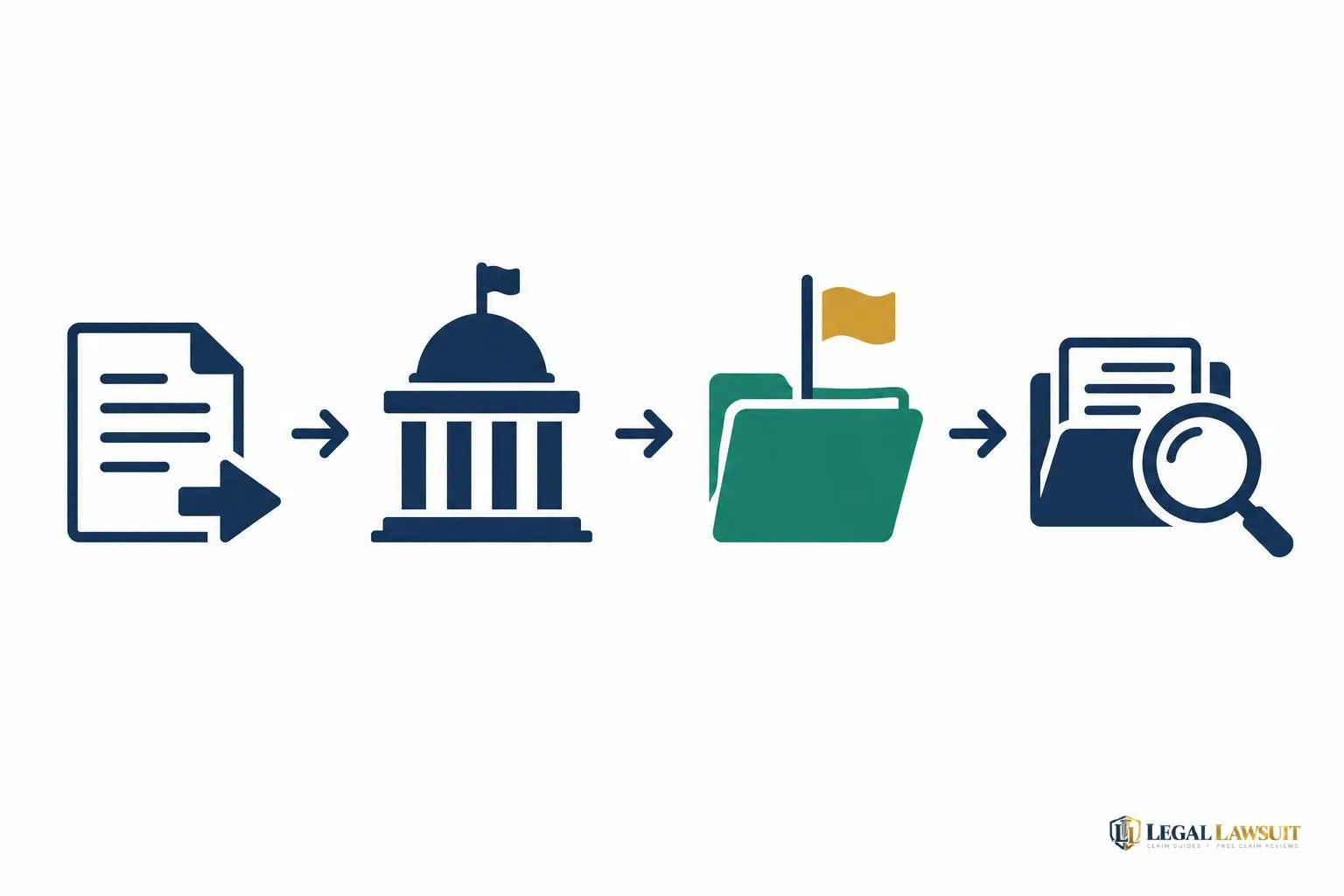
You can contact SSA directly to report dire need; a representative or third party can also contact SSA on your behalf. The field office or Disability Determination Services (DDS) identifies dire-need cases, flags them, and processes them as a priority under POMS DI 23020.030.
How a Dire Need Report Moves
Report circumstances
Contact SSA or DDS about the hardship.
Identify and flag
The office determines whether dire need applies.
Priority processing
DDS develops and decides qualifying cases as a priority.
A practical first step is to ask the office handling your claim how to deliver a written statement and any available supporting documents. The suggested structure below works whether you are awaiting an initial decision or navigating what happens during the SSDI reconsideration wait.
This is a suggested format, not an SSA-required form:
- Claim reference and contact details: Identify yourself and your claim using the information the office asks you to provide. Include a current phone number and mailing address where you can be reached.
- Request for priority handling: Start plainly: “I am requesting priority processing of my disability claim because of dire need.”
- Present hardship: Explain what is happening now, what basic need you cannot meet, and any relevant dates. Use specific facts rather than simply saying you are experiencing financial hardship.
- Supporting documents: List and attach any available documents that help explain your situation. Ask the office how to submit additional information if needed.
Keep a copy of your statement and attachments, along with a note of when and how you submitted them.
Send a critical-case request to the hearing office
If your claim is at the hearing stage, tell the hearing office about the circumstances that may make it critical. You can submit a critical allegation by mail or fax. If you report it by telephone or in person, hearing staff also document the report under SSA’s hearing procedures.
Keep your request direct: explain what is happening, how it affects your access to food, housing, utilities, or medical care, and why you are asking for critical-case handling. If someone represents you, ask them to help notify the office handling your hearing. SSA specifically tells representatives to notify the hearing office about terminal illness, homelessness, or dire need and provide supporting documentation in its representative best practices.
Attach documents that help explain your circumstances. Depending on your situation, practical examples include:
- A utility shutoff notice showing the threatened loss of service.
- A housing notice showing the problem affecting your shelter.
- A relevant provider record explaining a terminal illness or medical-care concern.
These are examples of potentially helpful attachments, not a universal required-document checklist. Choose documents that make your particular situation easier to understand.
Keep the request focused on why priority handling is needed, while continuing preparing for an SSDI hearing before a judge. Organizing your request and hearing materials separately can help you keep track of both tasks.
Follow up without assuming a decision date
After asking for expedited handling, follow up to confirm that your statement reached the office handling your claim. Keep the conversation focused on what SSA has received and what, if anything, you should send next.
Useful questions include:
- Was my statement about my circumstances received?
- Which office currently has my claim and the request for priority handling?
- Is more information needed to evaluate my request?
Keep a simple contact log with the date, the office contacted, the person’s name if available, and any next steps discussed. For help making sense of an update, see our guide to checking your SSDI claim status and understanding the response.
Priority handling is not a promised decision date. SSA’s priority-case instructions call for expedited processing but do not establish a universal completion date for an individual claimant’s case. Its separate instructions for dire need and terminal illness cases likewise describe priority handling, not a guaranteed turnaround time.
If your case reaches Appeals Council review, SSA instructs representatives to identify critical circumstances when requesting review, or report later changes with supporting documents, in its critical-case submission guidance. If you have a representative, tell them about changes in your circumstances so they can address them in the request. Our guide to the SSDI appeal roadmap through later review can help you understand where that review fits in the process.
Frequently asked questions
What should I include in an SSDI dire need request?
Explain what you lack, how it affects your immediate needs, and how SSA can reach you. Include your name and enough information to identify your pending claim. If you have a shutoff notice, eviction notice, or other records showing the hardship, include copies. At the hearing stage, SSA’s guidance recommends notifying the hearing office and providing supporting documentation for a critical-case request.
Can I report dire need while reconsideration is pending?
Yes. You can report hardship while your reconsideration is pending; you do not have to wait for a hearing. SSA’s dire need procedures allow field offices and Disability Determination Services to identify and prioritize these cases. Explain whether you lack food, medicine, medical care, or shelter. SSA generally accepts an allegation of dire need unless there is evidence to the contrary.
Do I need every supporting document before reporting hardship?
Start by explaining the hardship clearly rather than treating a complete document packet as your first task. Identify the records you already have and explain what you are still trying to obtain. For example, describe the immediate problem, include any available notice, and ask the office handling your claim how to send additional records. Keep a copy of your request and a note of whom you contacted.
Is TERI the same as Compassionate Allowances?
No. SSA treats Terminal Illness (TERI) and Compassionate Allowances as separate expedited-processing categories, although a claim may qualify for both. TERI concerns an impairment expected to result in death; Compassionate Allowances identifies certain conditions for expedited handling. If terminal illness is involved, tell SSA directly and identify relevant medical records, including hospice information when applicable, rather than assuming the condition’s name will trigger TERI handling.
Does expedited processing guarantee approval or a decision date?
No. Expedited processing means priority handling, not automatic approval or a guaranteed decision date. SSA’s hearing-level critical-case procedures still require the disability claim to be evaluated. When following up, ask whether your request was received, whether the case has been identified for priority handling, and whether anything else is needed. Do not treat confirmation of priority status as confirmation that benefits will be awarded.
Sources
- POMS DI 23020.001 — Priority Cases · Social Security Administration
- POMS DI 23020.030 — Dire Need · Social Security Administration · 2024-07-31
- POMS DI 23020.045 — Terminal Illness (TERI) Cases · Social Security Administration · 2023-10-06
- HALLEX HA 01210.040 — Critical Case Procedures · Social Security Administration · 2024-08-06
- Best Practices for Claimants’ Representatives · Social Security Administration
This article is general information, not legal advice. Laws and deadlines vary by state and change over time; check the linked sources or speak with a licensed attorney about your situation.
Related Posts

There are three official ways to check where your SSDI claim stands: your my Social Security account, SSA's phone line or your local office. This guide covers what to have ready, what each stage on SSA's own pages means, and what to do when your status stops changing.
Waiting after your hearing? Learn which timing figures actually apply, where to check your status, and how to read the decision when it arrives.
Find SSA’s official online starting point, understand which appeal materials belong together, and learn what to keep after submitting your request.