
Short answer: This article explains the key facts, eligibility issues, settlement factors, deadlines, and source-backed updates related to this legal topic. Results vary by case facts, evidence, jurisdiction, and representation.
In This Guide
The Minecraft Class Action Lawsuit and the Fight Over Gaming Addiction
The Minecraft class action lawsuit is a high-profile legal challenge aimed at one of the best-selling video games of all time. Families allege the game was deliberately built to be habit-forming and harmful, particularly for kids. Minecraft Class Action Lawsuit at a Glance:
- Defendants: Mojang Studios (developer) and Microsoft Corporation (owner)
- Core Claims: Deliberately addictive design, no warning about addiction risk, targeting vulnerable users
- Legal Theories: Product liability, negligence, fraud and consumer protection violations
- Who Is Affected: Mostly children and teens, especially neurodivergent minors
- Reported Harms: Depression, anxiety, isolation, physical injuries and falling grades
- Where It Stands: Coordinated in California state court (JCCP No. 5363) after a federal MDL request was denied
- Potential Value: Depends on the severity and documentation of harm, treatment needed and length of use; no settlements have been announced
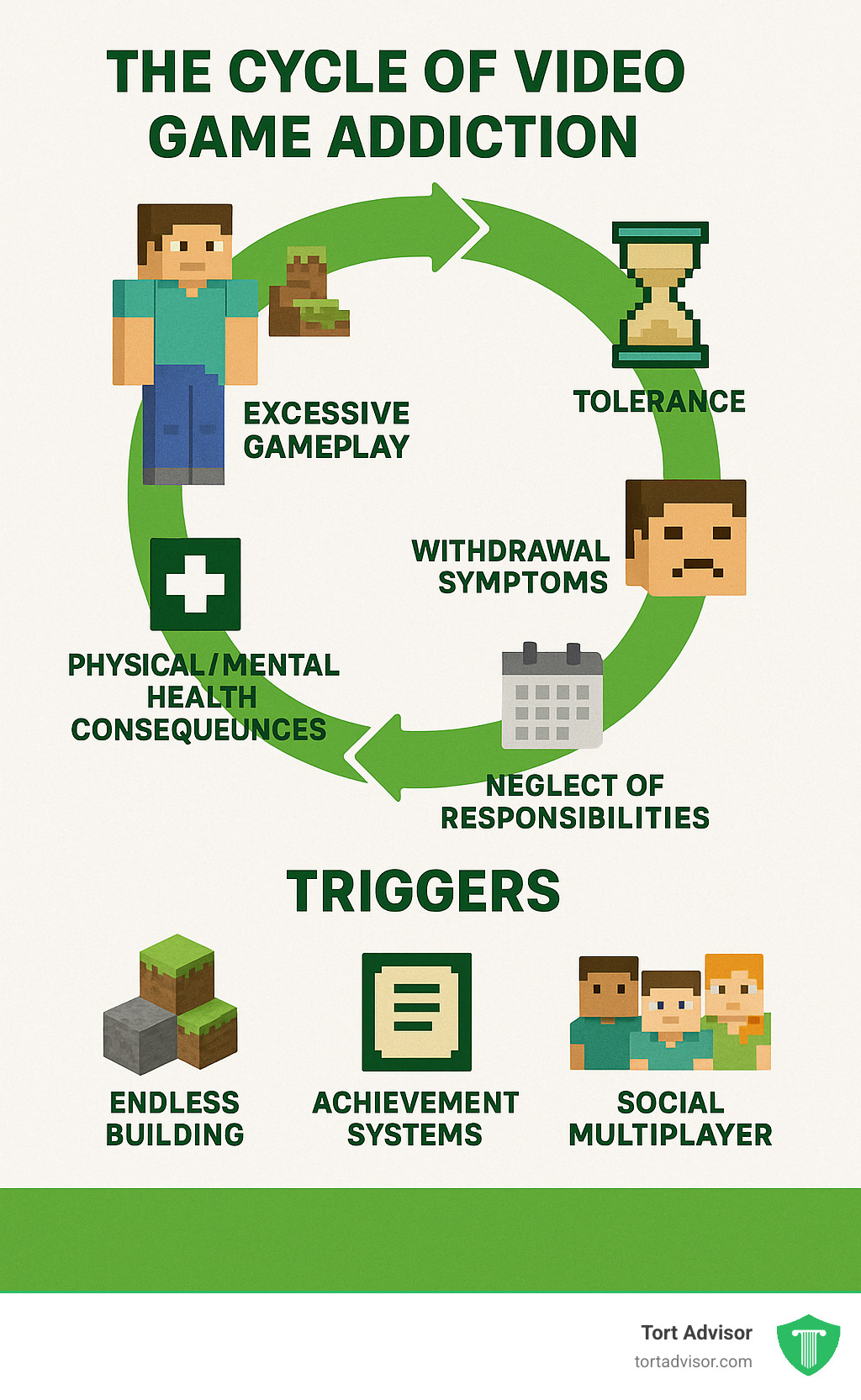
According to the complaints, Minecraft’s open-ended play, reward loops and absence of natural stopping points foster psychological dependence. Plaintiffs allege that more than 23% of children play the game over 11 hours a week, a pattern linked to what clinicians call Internet Gaming Disorder. One prominent case, filed by California mother Jennifer Sawyer, says her child developed a compulsive gaming habit by age 6 that led to isolation and withdrawal, and hers is one of hundreds of similar cases nationwide. The legal theories resemble those used against tobacco and opioid makers, arguing companies put profits ahead of public health. Game companies point to First Amendment protections, but courts have held companies responsible in other industries when their products caused documented harm.
Minecraft class action lawsuit related topics:
- lawsuit against video game maker
- video game addiction lawsuit legit
What Does the Minecraft Lawsuit Claim?
The Minecraft class action lawsuit makes serious allegations against Mojang Studios, which created the game, and Microsoft Corporation, which bought Mojang for $2.5 billion in 2014. Plaintiffs describe a deliberate corporate strategy to keep players hooked, alleging intentionally addictive design, failure to warn about addiction, negligence toward vulnerable players and fraud in marketing. The case is part of a wider reckoning for the industry, with similar suits filed against Epic Games (Fortnite) and Roblox, and it borrows from strategies that held tobacco and opioid companies liable for putting profits first despite knowing the harm. To learn more about this kind of claim, see how these cases typically unfold.
How Minecraft Is Allegedly Built to Be Addictive
The complaints describe specific psychological techniques Minecraft allegedly uses to keep players engaged.
- No Finish Line: Central to the case is Minecraft’s open-ended design. There is no ending, just limitless worlds with no built-in stopping points, which encourages players to keep going.
- Constant Rewards: Progression systems, from mining diamonds to finishing builds, deliver a steady drip of rewards that prompt dopamine release and reinforce continued play.
- Sensory Hooks: Satisfying sound effects and the shimmer of rare items act as psychological triggers that make play feel rewarding at a neurological level.
- Slot-Machine Mechanics: Variable reward schedules mean players never know when a rare find is coming, and that uncertainty keeps them playing in anticipation.
- Peer Pressure: Multiplayer servers create social obligations and fear of missing out, while marketplace purchases add more reasons to keep playing and spending.
Reporting on how game design can encourage compulsive play lends support to the claim that these features can drive compulsive behavior, particularly in vulnerable kids.
The Main Legal Arguments Against the Game Makers
The case relies on well-established areas of law, including product liability and consumer protection.
- Design Defect: The lead argument is that Minecraft suffers from a design defect, not a software glitch but a deliberate design meant to be addictive and therefore “unreasonably dangerous.”
- Failure to Warn: Plaintiffs say Mojang and Microsoft were obligated to warn users about foreseeable addiction risks and did not.
- Deceptive Practices: Promoting Minecraft as wholesome family entertainment while allegedly aware it could cause psychological harm may amount to deceptive business conduct.
- Exploiting Vulnerable Users: The suits stress that the design takes advantage of children and teens whose brains are still maturing, and especially neurodivergent kids with ADHD or autism who may have more trouble with impulse control. Courts tend to be more protective when vulnerable groups are targeted.
To understand how these large-scale cases work, read about mass tort cases.
Health Harms Linked to Excessive Minecraft Play
The Minecraft class action lawsuit focuses on serious health effects tied to heavy gaming. The American Psychiatric Association and the World Health Organization both recognize problematic gaming, Internet Gaming Disorder (IGD), as a condition in which gaming takes precedence over other parts of life.
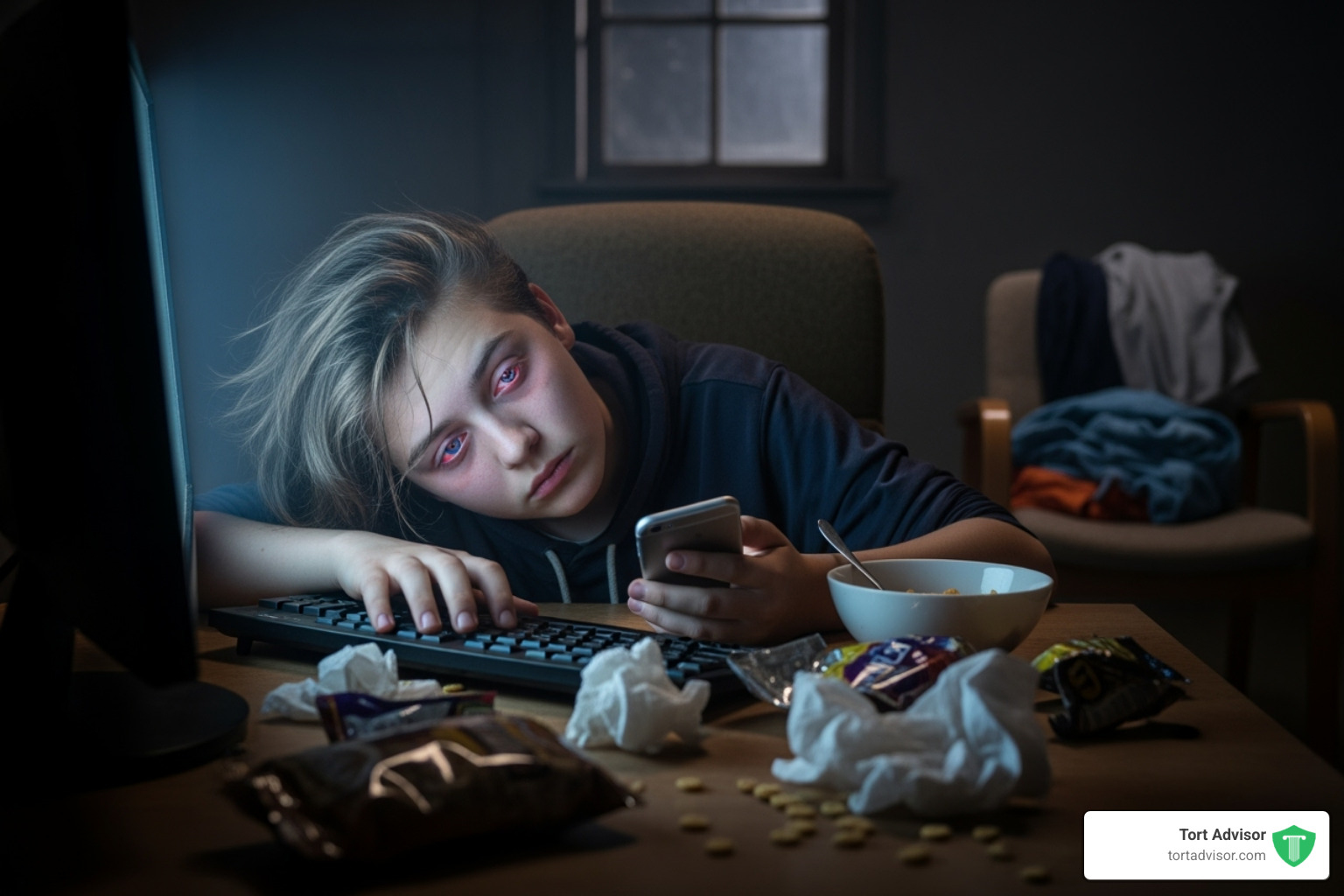
Kids and teens are especially at risk because their brains respond strongly to game reward systems while the regions that govern impulse control and emotional regulation are still developing, which makes stopping harder. For background, see research on the health effects of too much gaming.
Effects on Mental and Emotional Health
The emotional harm described in these cases is often painful to read. Families report problems such as:
- Depression and Anxiety: Players may fall into a loop of gaming for brief relief, which only makes real-life problems worse.
- Isolation: Heavy gaming can push aside friends and family, leading to withdrawal and loneliness.
- Anger and Irritability: So-called “gamer’s rage” may flare when play is interrupted, sometimes leading to threats or uncharacteristic behavior.
- Falling Behind at School or Work: As gaming takes over, responsibilities slide, and some students leave school altogether.
Heavy gaming can also stunt the development of healthy coping skills, making everyday challenges feel overwhelming. Writing on gaming and mental health describes links between excessive play and higher rates of depression, anxiety and even suicidal thoughts.
Physical Effects of Gaming Addiction
The physical toll of gaming addiction can rival its mental health effects.
- Sleep Problems: Late-night sessions and screen exposure throw off sleep cycles and can cause serious sleep loss.
- Muscle and Joint Pain: Long hours with poor posture can bring chronic neck, back and shoulder pain, and repetitive strain injuries such as carpal tunnel syndrome and “gamer’s thumb” are common.
- Eye Strain: Extended screen time can cause Computer Vision Syndrome, with dry eyes, blurry vision and headaches.
- Weight Gain: Long stretches of sitting and poor eating habits often lead to significant weight gain and related health issues.
Physical problems can deepen mental health struggles, making addiction even harder to break. Research on physical health problems tied to gaming sheds more light on these patterns.
Minecraft Class Action Lawsuit Update: How the Cases Are Proceeding
The legal side of the Minecraft class action lawsuit can seem confusing, so here is a plain explanation. Although people call it a “class action,” the cases are actually moving forward another way. A request to combine them into a single federal proceeding (an MDL) was denied, so individual cases are advancing in state courts, which can help plaintiffs because some states have stronger consumer protection laws.

In California, many of the cases have been coordinated as Judicial Council Coordinated Proceeding (JCCP) No. 5363, which keeps rulings consistent across similar claims. Legal Lawsuit’s aim is to give you the information you need to make informed choices about your options.
Where the Minecraft Lawsuit Stands Now
As of this update, the fight with game companies continues. Without a federal MDL, cases are moving through state courts, chiefly California’s JCCP No. 5363, where coordination lets attorneys share resources and move cases efficiently. Microsoft, Activision Blizzard, Roblox and Nintendo have filed motions to dismiss, mainly arguing that video games are artistic expression protected by the First Amendment. Similar defenses have not shielded other industries, such as tobacco and opioids, once products were shown to be designed to be addictive and harmful, and pressure for accountability continues to grow.
Evidence and Damages in a Minecraft Lawsuit
A strong claim needs evidence tying heavy gaming to the harm suffered, such as:
- Medical Records: Notes from doctors or therapists diagnosing Internet Gaming Disorder or related conditions like anxiety and depression.
- Play-Time Data: Screenshots or game records showing how much time was spent in Minecraft.
- Spending Records: Bank or card statements showing in-game purchases and microtransactions.
- School or Work Records: Report cards, attendance problems or job reviews that show declining functioning.
- Witnesses and Experts: Statements from relatives, friends or teachers, plus testimony from addiction specialists.
Damages claimed can include medical costs, emotional distress, financial losses (in-game spending, lost wages) and reduced quality of life. No Minecraft-specific settlements exist as of this update, so any estimate is speculative. Case value would depend on the severity and length of the harm, the diagnosis and treatment involved, how well the gaming and its effects are documented, and the age of the player. To learn more, see how much mass tort lawsuits can receive.
Who Qualifies for a Minecraft Lawsuit?
Attorneys reviewing these claims commonly look at the following factors:
- Age: Many screens focus on players who were 24 or younger when the addiction and harm developed, since younger players are considered more vulnerable.
- Time Spent Playing: Documented heavy, sustained play, often described as at least 2-3 hours a day over several weeks.
- Diagnosis: A medical or psychological diagnosis of Internet Gaming Disorder (IGD) or a related condition, such as severe depression or gamer’s rage, is key.
- Treatment: The player has sought or received professional care for the addiction, which helps show how serious it is.
- Harm: Clear proof of financial, physical, mental, academic or work-related harm directly tied to gaming addiction.
If these factors fit your family’s situation, consider requesting a free, confidential case review to check eligibility and talk through next steps.
Minecraft Class Action Lawsuit FAQs
Video game addiction lawsuits can be hard to follow. These answers to common questions about the Minecraft class action lawsuit can help you understand your choices.
Who is being sued in the Minecraft cases?
The main defendants are Mojang Studios, which developed Minecraft, and its parent, Microsoft Corporation, which purchased Mojang in 2014. Suits name both companies, faulting Mojang for the allegedly addictive design and Microsoft for marketing and selling the game without adequate addiction warnings, so the whole corporate structure is held to account.
What compensation might plaintiffs receive?
Plaintiffs are seeking money for harm caused by gaming addiction, including medical and therapy bills, repayment of in-game purchases and damages for emotional distress and lost quality of life. No settlements have been reached as of this update, and published estimates are speculative. What a claim may be worth would depend on how severe and long-lasting the harm is, whether it is diagnosed and treated, how much the player’s life was disrupted and the strength of the supporting evidence.
Can I sue on behalf of my child?
Yes. Parents and legal guardians can, and usually must, bring claims for minor children. A parent may act as “next friend” or guardian to protect the child’s interests and seek compensation; the parent files, but the case centers on the child’s harm. Experienced attorneys handle these family situations with care, recognizing that addiction affects everyone in the household, and courts often must approve a minor’s settlement to make sure the money serves the child’s long-term welfare.
Next Steps for a Video Game Addiction Claim
The wave of lawsuits against gaming giants like Microsoft reflects growing recognition that games built to be addictive can cause real harm. These cases seek to hold companies responsible for putting profits ahead of vulnerable players, especially children. If you or someone you love has been hurt by severe gaming addiction, you may have legal options, and the Minecraft class action lawsuit and related cases are opening the door for families to pursue justice. The law expects companies that design addictive products to warn consumers and keep those products safe. Legal Lawsuit is a legal-information site, not a law firm; through a free, no-obligation case review, we connect families with experienced attorneys in our network who handle video game addiction cases. Those attorneys can help you find out whether you qualify, collect evidence and handle the legal process while pursuing compensation for medical costs, emotional distress and lost quality of life. To take the first step, learn more about the Video Game Addiction Lawsuit.
Related Posts
Quick Answer: The Boy Scouts of America (BSA) filed for Chapter 11 bankruptcy in 2020 after facing tens of thousands [...]
Quick Answer: Survivors of sexual abuse by Catholic priests, nuns, or other Church personnel may be able to file a [...]
Quick Answer: Clergy abuse settlements vary enormously based on the severity of the abuse, the strength of evidence that the [...]