Short answer: This article explains the key facts, eligibility issues, settlement factors, deadlines, and source-backed updates related to this legal topic. Results vary by case facts, evidence, jurisdiction, and representation.
Hair Relaxer Cancer Lawsuit Eligibility: Know Your Rights
In This Guide
Hair relaxer cancer lawsuit eligibility starts with two questions: did you use chemical relaxers often, and were you later diagnosed with a reproductive cancer? A hair relaxer cancer lawsuit lets women diagnosed with uterine, ovarian or endometrial cancer seek compensation from manufacturers that did not warn about hazardous ingredients. If you used relaxers frequently (four or more times a year) before your diagnosis, you may qualify.
Quick Facts:
- Who May File: Women diagnosed with uterine, ovarian or endometrial cancer after regular relaxer use.
- Key Evidence: The NIH Sister Study found frequent users had more than twice the risk of uterine cancer.
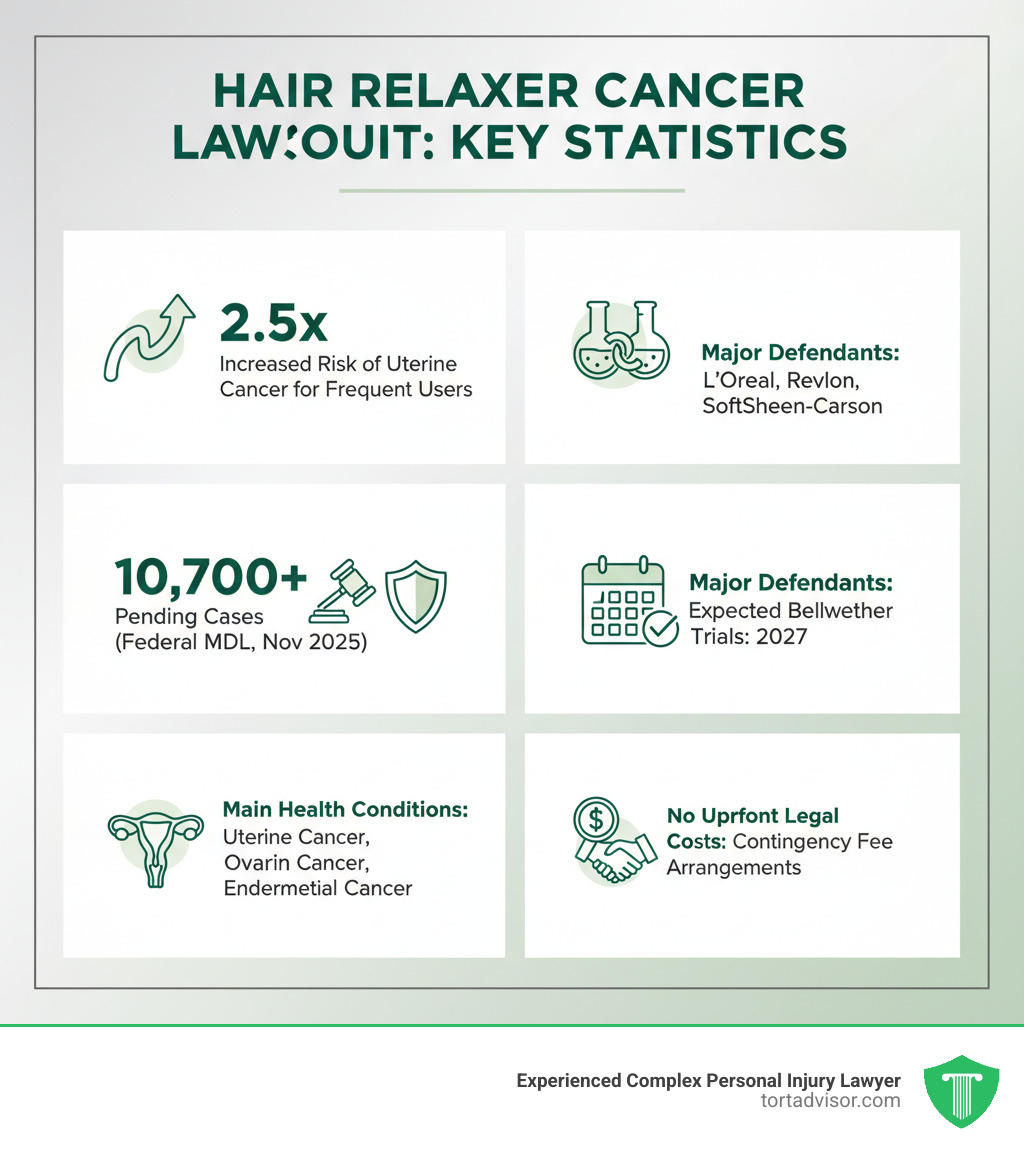
- Status: More than 10,500 cases are consolidated in a federal MDL, with first trials expected in 2027.
- Cost: Attorneys work on contingency, so you pay only if money is recovered.
- Deadlines: Statutes of limitations differ by state, so act promptly.
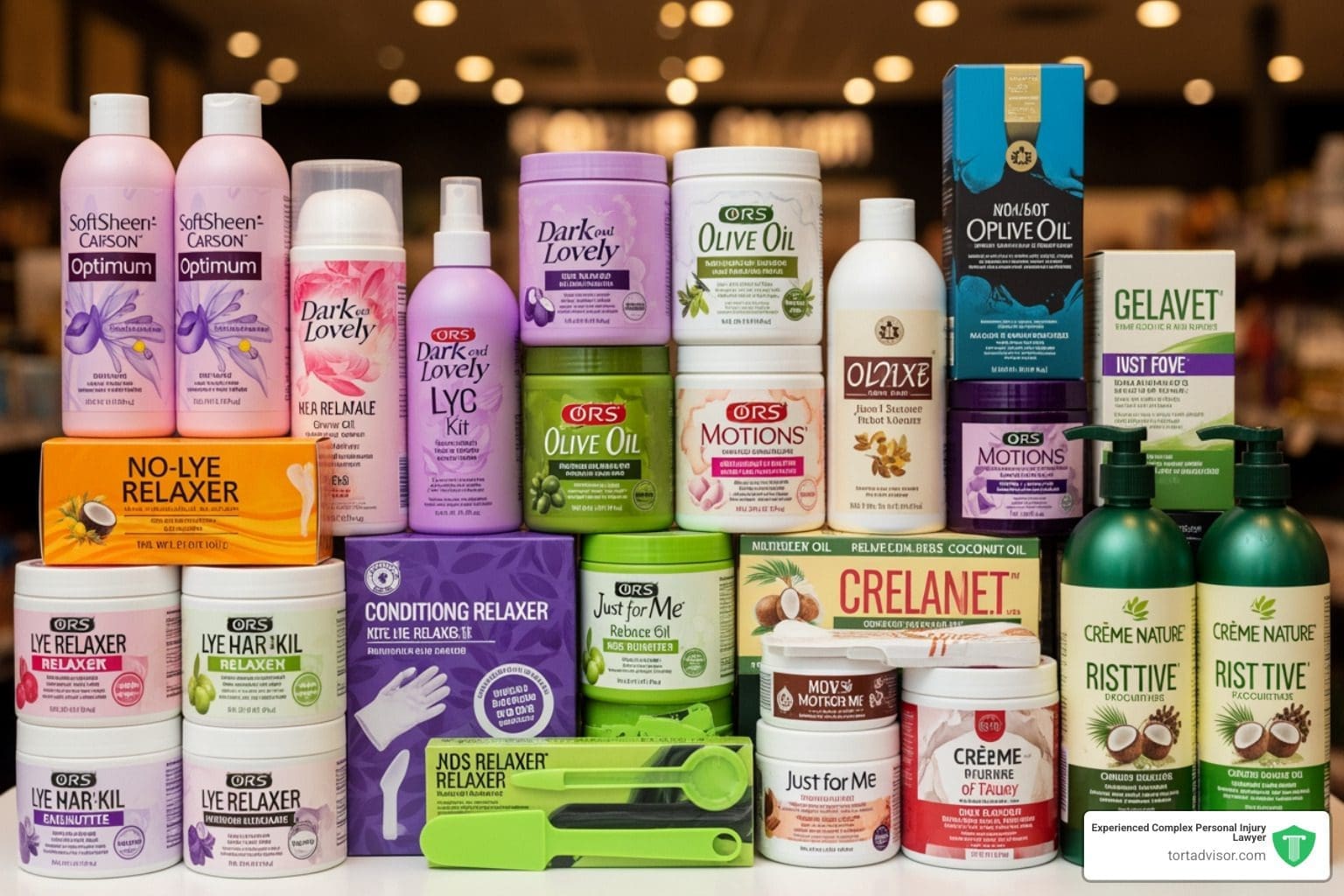
For generations, millions of women, most of them Black, used relaxers such as Dark & Lovely, Just for Me and ORS Olive Oil that were promoted as safe. Newer research shows these products contain endocrine-disrupting chemicals (EDCs) that substantially raise the risk of life-threatening cancers.
The 2022 NIH Sister Study analysis found that women who relaxed their hair at least four times a year had more than double the risk of uterine cancer. EDCs such as phthalates and formaldehyde-releasing agents can pass through the scalp, disrupt hormones and promote the growth of hormone-sensitive cancers.
As of November 2025, more than 10,700 lawsuits had been filed against L’Oréal, Revlon, SoftSheen-Carson and other major manufacturers. The suits claim these companies understood the risks yet sold the products without warnings, often through marketing aimed squarely at Black women and girls.
Facing the legal system while coping with cancer is a lot to handle. This Legal Lawsuit guide explains your legal options, what makes a claim strong and the compensation available for medical costs, lost income and suffering, drawing on court records, scientific research and legal developments so you can understand your rights and decide on your next step.
Why Hair Relaxers Are Under Scrutiny
What Is a Chemical Hair Relaxer?
Chemical relaxers are cosmetic products that permanently straighten curly or coily hair by breaking down its protein bonds with strong chemicals. They have been a beauty staple for millions of people for decades, especially in the Black community.
They come in lye and “no-lye” versions for home or salon use and were frequently advertised as safe. Yet even no-lye formulas contain powerful chemicals that can burn the scalp, which may increase how much of the harmful ingredients the body absorbs.
A Mounting Health Concern
What was once an everyday beauty routine is now at the heart of a serious public health issue. Research has tied frequent relaxer use to higher rates of grave illnesses, including uterine and ovarian cancer.
Thousands of women across the country have sued manufacturers in response, alleging the companies knew about dangerous ingredients but did not warn customers and put profits ahead of health. The concerns also led the U.S. Food and Drug Administration (FDA) to propose banning formaldehyde and related chemicals in hair-straightening products.
The Science Linking Hair Relaxers to Cancer
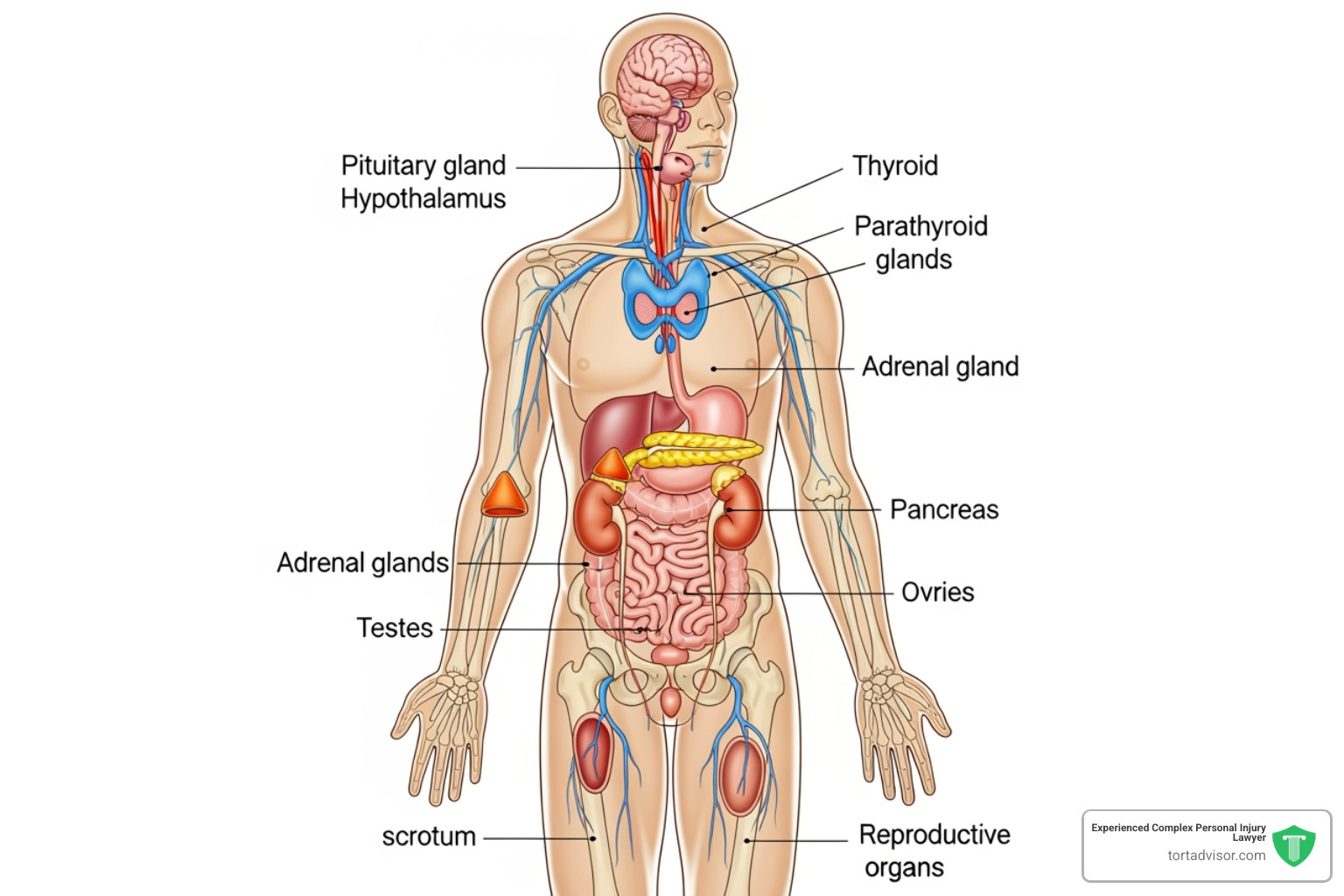
Substantial research supports a connection between chemical relaxers and cancer. The central worry is endocrine-disrupting chemicals (EDCs), which interfere with hormones. Absorbed through the scalp, often through burns and sores the products cause, these chemicals can imitate or block hormones such as estrogen, which may drive hormone-sensitive cancers of the uterus and ovaries.
Research from the National Institutes of Health (NIH) underpins much of the litigation: NIH: Hair straightening chemicals associated with higher uterine cancer risk.
Major Studies and What They Found
The strongest evidence comes from the NIH Sister Study, which enrolled more than 50,000 women and tracked them for over ten years. Its findings include:
- A 2022 analysis found women who used straighteners four or more times a year were more than twice as likely to be diagnosed with uterine cancer as women who never used them.
- A 2021 analysis of the same group found frequent users had roughly a 50% higher chance of ovarian cancer, with the heaviest users more than twice as likely to be diagnosed.
This large, long-running research gives the thousands of pending claims a solid scientific footing. For the ovarian cancer findings, see: Use of hair products in relation to ovarian cancer risk.
Conditions Named in Hair Relaxer Lawsuits
The lawsuits point to several serious conditions tied to relaxer use, including:
- Uterine Cancer (endometrial cancer included)
- Ovarian Cancer
- Uterine Fibroids (particularly cases that led to a hysterectomy)
- Endometriosis
- Early Menopause
Treating these conditions often involves surgery, chemotherapy and radiation, and they can cause infertility, chronic pain and heavy financial and emotional strain.
Harmful Chemicals Found in Hair Straighteners
Relaxers can contain a mix of hazardous ingredients, and selling them without warnings may make a product legally defective. Chemicals of particular concern include:
- Phthalates: Hormone disruptors such as di-2-ethylhexyl phthalate (DEHP) that have been tied to cancer and reproductive harm.
- Formaldehyde: A recognized human carcinogen; many products contain ingredients that release it when heated.
- Parabens: Preservatives that can act like estrogen and may feed hormone-sensitive cancers.
- Cyclosiloxanes: Silicone-based compounds flagged as possible endocrine disruptors.
Long contact with the scalp during treatment, especially on irritated skin, increases how much of these chemicals the body takes in. Read more about what makes a product defective.
Hair Relaxer Cancer Lawsuit Allegations and Defendants

The hair relaxer cancer lawsuit rests on serious claims of corporate misconduct, including:
- Product Liability: The products were defectively designed with dangerous ingredients. See more on what makes a product defective.
- Failure to Warn: Companies knew of the cancer risk but left adequate warnings off their packaging.
- Negligence: Manufacturers did not perform proper safety research and testing.
- Fraudulent Concealment: Companies actively kept health risk information from the public.
- Misleading Marketing: Words like “natural” and “gentle” gave a false sense of safety for products packed with harsh chemicals.
Which Companies Are Defendants?
The suits name large multinational companies that led the relaxer market, including:
- L’Oréal USA, Inc. (and its subsidiary SoftSheen-Carson LLC)
- Revlon (its bankruptcy has complicated, but not stopped, claims)
- Strength of Nature Global, LLC
- Namaste Laboratories, LLC
- John Paul Mitchell Systems
- Wella Operations US LLC
Brands Named in the Litigation
Many familiar, trusted brands appear in the lawsuits. Regular use of any of these products may support a claim:
- Dark & Lovely
- Just for Me (sold for children)
- Motions
- ORS Olive Oil
- Affirm
- Optimum
- Creme of Nature
Marketing, Race and Discrimination
These cases also raise civil rights concerns. Relaxer marketing has long been tied to racial bias and the pressure on Black women to meet Eurocentric beauty norms, in a society that often labeled natural Black hair “unprofessional” or “unkempt” and sold relaxers as the fix.
Manufacturers deliberately marketed to Black women and girls, and products like Just for Me made harsh chemicals a routine part of childhood. Ads relied on misleading words like “natural” and “botanical” to suggest safety while playing down the risks.
Civil rights attorney Ben Crump has called these cases “essentially civil rights issues.” The suits argue companies took advantage of social pressure and profited from products they knew were harmful. That history of discrimination, which laws such as the CROWN Act now address, makes this litigation about more than product safety; it is about accountability for decades of targeted, damaging marketing.
Hair Relaxer Lawsuit Process, Eligibility and Timeline

To manage thousands of hair relaxer cancer lawsuits, federal cases have been consolidated into a Multidistrict Litigation (MDL No. 3060) before Judge Mary M. Rowland in the Northern District of Illinois. As of November 2025, more than 10,700 cases were part of it. Each plaintiff keeps an individual case, while pretrial work such as discovery is coordinated to save time and money.
Hair Relaxer Cancer Lawsuit Eligibility: Who Can File?
Every case is different, but you may qualify if:
- Use History: You used chemical relaxers regularly (for example, four or more times a year) over several years.
- Qualifying Diagnosis: You were diagnosed with uterine cancer (including endometrial cancer) or ovarian cancer, or developed uterine fibroids that required a hysterectomy.
- Diagnosis Date: Your diagnosis usually came after 2000.
- Filing Deadline: You file within your state’s deadline, which often runs from when you knew or should have known about a possible link to relaxers; for many women, that was after the October 2022 NIH study. Do not wait.
Collecting medical records and a history of the products you used is essential. See What evidence do I need to prove my case? for more.
Hair Relaxer Cancer Lawsuit Settlement Amounts: What Affects Value?
No settlements or verdicts have been reached as of this update, so there is no official average payout. Plaintiffs seek economic damages (medical costs, lost income), non-economic damages (pain, suffering, lost fertility) and possibly punitive damages to punish gross negligence.
Rather than relying on unofficial estimates, it helps to understand the factors that typically drive value in mass tort claims like these:
- Uterine/Ovarian Cancer: cancer stage, treatment and long-term prognosis drive value
- Endometrial Cancer: surgery, recovery and lost fertility are key factors
- Fibroids with Hysterectomy: age at surgery, lost fertility and recovery time weigh heavily
- Fibroids Without Surgery: generally valued lower, depending on treatment and symptoms
Actual value turns on the details of your case. For a more personalized estimate, try the Hair Relaxer Cancer Settlement Calculator.
Hair Relaxer Lawsuit Update: Timeline and Key Dates
Mass tort cases move through set stages. Key milestones in the hair relaxer MDL include:
- Consolidation: Federal cases were combined into MDL No. 3060 in February 2023.
- Discovery: Both sides are exchanging evidence, with expert discovery scheduled to wrap up in October 2026.
- “Science Day”: Set for January 8, 2026, giving each side a chance to present the science to the judge.
- Bellwether Trials: The first test trials are expected around mid-2027. They help gauge how juries respond and often open the door to settlement talks.
Some state court cases may move faster than the federal MDL. Settlement discussions were anticipated to start in late 2026, but no global settlement exists as of this update.
Hair Relaxer Lawsuit FAQs
Thinking about a hair relaxer cancer lawsuit naturally raises questions. Here are answers to the most common ones.
Will I need to go to court?
Very unlikely. Most mass tort claims are resolved by settlement before trial, and the MDL process is built to encourage those negotiations. Only a handful of bellwether cases actually go before a jury, and your attorney handles the proceedings so you can focus on your health.
What will a lawyer cost?
There is nothing to pay upfront. Attorneys in these cases work on contingency, so you pay nothing out of pocket and the lawyer is paid only by recovering money through a settlement or verdict. The fee is a share of that recovery, and if there is none, you owe nothing.
What if I used many different relaxer brands?
That is common and does not rule you out. Many women switched brands over the years, and an experienced attorney can help rebuild your product history to identify every manufacturer that may be responsible. What matters is your steady exposure to the harmful chemicals found in most relaxers, not sticking to one product.
How to Get Legal Help With a Hair Relaxer Claim
The science now strongly ties chemical relaxers to uterine cancer, ovarian cancer and other serious conditions, and manufacturers allegedly hid those risks for decades while marketing to Black women and girls. The hair relaxer cancer lawsuit is about accountability and justice for the people who were harmed.
If you used relaxers and were diagnosed with a related cancer or needed a hysterectomy for fibroids, you may be entitled to meaningful compensation. Taking legal action can feel daunting, though, and strict state deadlines mean waiting too long could bar your claim entirely.
Legal Lawsuit is a legal-information site, not a law firm. Through a free, confidential case review, we connect women nationwide, from Alabama to Illinois to California, with experienced attorneys in our network who handle hair relaxer cancer lawsuits. The review is free, and you pay no fee unless money is recovered.
Filing deadlines are real, so do not let yours slip by. Legal Lawsuit can help you connect with legal support to hold these companies accountable and pursue the compensation you deserve.
Connect with an attorney about your hair relaxer claim
Request your free, no-obligation case review today.
Related Posts
Quick Answer: The Boy Scouts of America (BSA) filed for Chapter 11 bankruptcy in 2020 after facing tens of thousands [...]
Quick Answer: Survivors of sexual abuse by Catholic priests, nuns, or other Church personnel may be able to file a [...]
Quick Answer: Clergy abuse settlements vary enormously based on the severity of the abuse, the strength of evidence that the [...]