Short answer: This article explains the key facts, eligibility issues, settlement factors, deadlines, and source-backed updates related to this legal topic. Results vary by case facts, evidence, jurisdiction, and representation.
Wildfire Lawsuits in California: Your Legal Rights After Losing Your Home
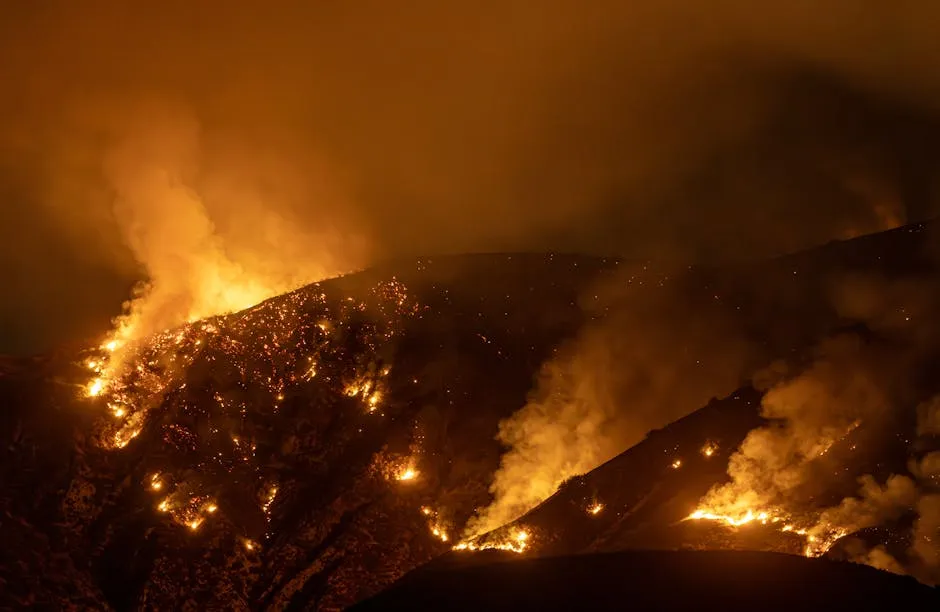
Wildfire lawsuits in California give fire victims a way to recover compensation from the parties responsible, most often utility companies, for the enormous losses these fires cause. Homeowners, renters and business owners who suffered property damage, injuries or the death of a loved one may be able to file. Frequent defendants include large utilities such as Southern California Edison (SCE) and Pacific Gas & Electric (PG&E).
The January 2025 Los Angeles fires, including the Eaton and Palisades Fires, quickly led to dozens of lawsuits. Officials reported at least 29 deaths and more than 14,000 structures destroyed, and some estimates place total losses between $135 billion and $150 billion, which could make it the most expensive wildfire disaster in U.S. history. Evidence points to SCE equipment as a possible ignition source, echoing earlier utility-caused fires.
If a wildfire has upended your life, feeling overwhelmed is natural. Most people turn to homeowners insurance first, only to discover their coverage falls short. Insurers may lowball claims, refuse to cover certain damage or apply policy limits that are too low for a full recovery.
That is why a wildfire lawsuit matters. It offers a way to seek full compensation beyond insurance and to make negligent companies pay. California law is especially protective of victims thanks to inverse condemnation, a doctrine that can make a utility strictly liable when its equipment starts a fire, with no need to prove negligence. Knowing your rights is the first step toward the money you need to rebuild.
Why California Wildfire Lawsuits Get Filed
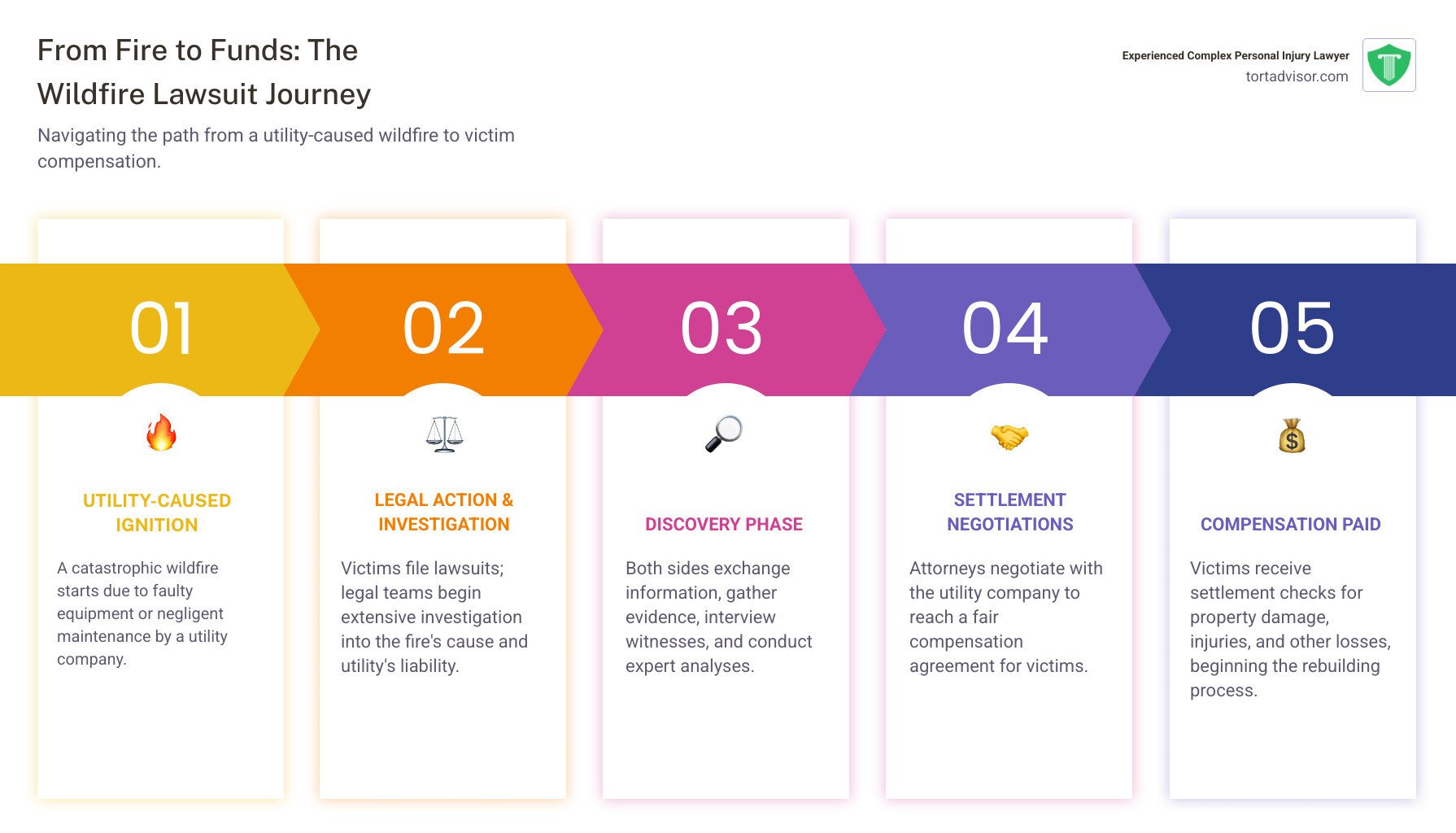
Devastating wildfires are seldom purely natural events. California wildfire lawsuits are filed because many of these fires are the foreseeable result of corporate carelessness and neglected infrastructure.
Primary Causes
Many of California’s most destructive recent fires were started by human-made equipment. Lawsuits most often point to:
- Utility Negligence: Power companies must maintain thousands of miles of lines and towers, and skipped inspections or delayed repairs can have deadly results.
- Poor Vegetation Management: Dry brush and trees near power lines are a serious fire risk, and utilities are frequently accused of not trimming and clearing enough. The 2021 Dixie Fire, for example, was traced to a tree falling onto PG&E lines.
- Slow Power Shutoffs: In dangerous fire weather, utilities are expected to cut power through Public Safety Power Shutoffs (PSPS), and some have been criticized for waiting too long, allegedly putting customer convenience ahead of safety.
- Extreme Weather: Drought and strong winds are not direct causes, but they turn small sparks into runaway fires, which makes proper utility maintenance all the more important.
Key Defendants
California’s large utilities are the defendants named most often in wildfire lawsuits in California.
- Southern California Edison (SCE) faces heavy legal scrutiny over the January 2025 fires. The federal government is seeking millions in damages, and Los Angeles County has sued, claiming SCE equipment ignited the deadly Eaton Fire.
- Pacific Gas & Electric (PG&E) has a long record of wildfire liability, including the 2018 Camp Fire that killed 85 people, which led to a criminal conviction for involuntary manslaughter.
- Public agencies can also be defendants, such as the Los Angeles Department of Water and Power (LADWP), which faces suits alleging its handling of water resources hurt firefighting during the Palisades Fire.
California Wildfire Lawsuit Update: Recent Cases and Government Action
The January 2025 fires set off a surge of litigation. More than 20 lawsuits were filed against SCE over the Eaton Fire alone, with victims’ attorneys describing a pattern of negligence. Evidence also surfaced about an idle, roughly 50-year-old transmission tower that may have started the fire, contrary to SCE’s early statements.
Federal authorities have acted as well. The U.S. Department of Justice sued Southern California Edison seeking roughly $77 million in damages tied to the Eaton Fire and the 2022 Fairview Fire, alleging poor infrastructure maintenance caused fires that burned tens of thousands of acres of National Forest land. The U.S. Attorney’s Office said the suits aim to recoup taxpayer money and push a “cultural change” at the utility, signaling that negligence will not be tolerated.
How Wildfire Lawsuits in California Move Forward
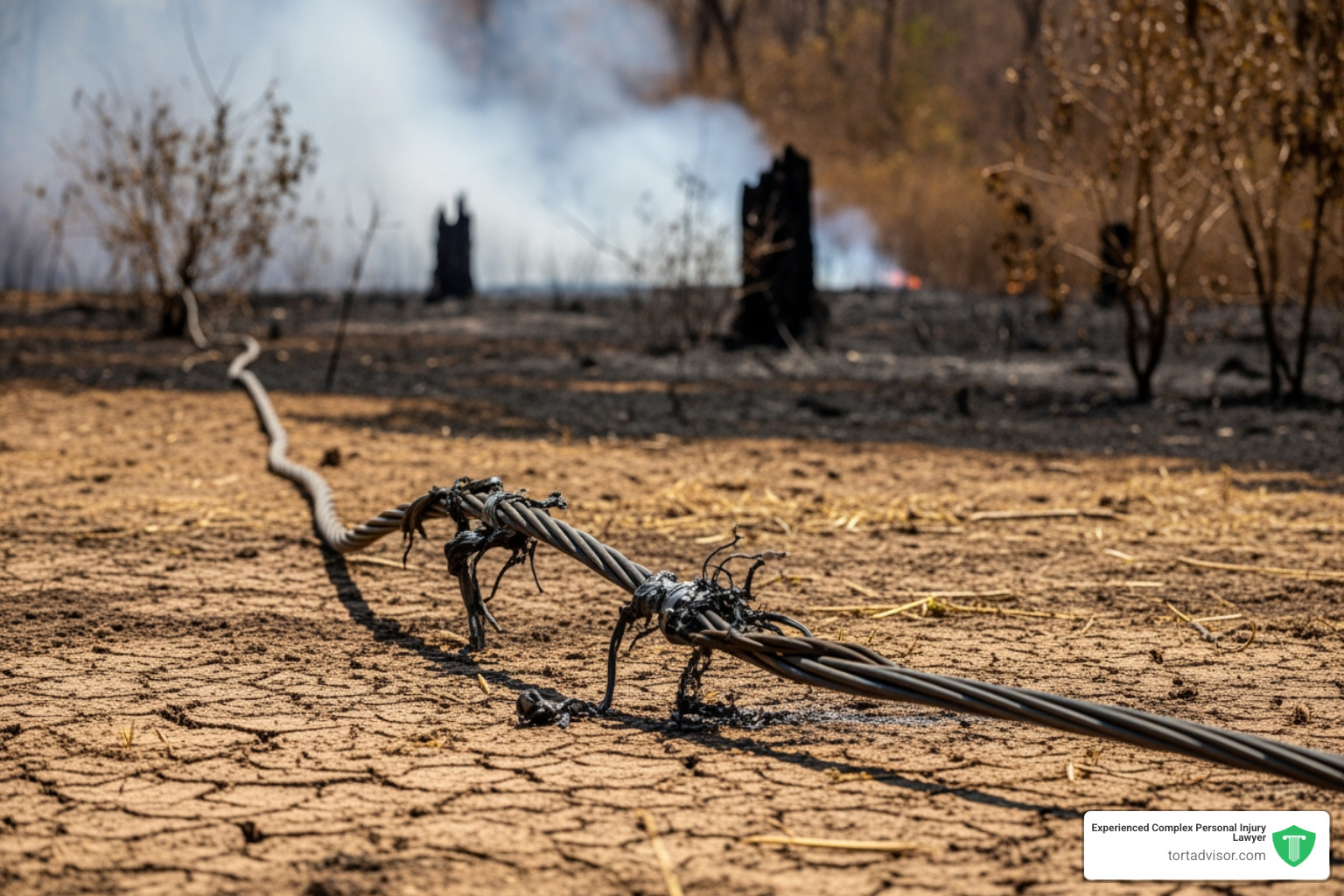
The process may look complicated, but California wildfire lawsuits tend to follow a familiar path, and knowing the steps can help you feel more in control.
Stages of a Wildfire Lawsuit
Most wildfire cases move through these phases:
- Investigation: Attorneys and forensic experts determine where and how the fire began by studying utility equipment, maintenance logs, weather data and eyewitness accounts.
- Filing: When the evidence identifies a responsible party, your attorney files the claim, either as an individual lawsuit or as part of a class action or mass tort.
- Discovery: The parties trade documents such as inspection reports and internal emails, and attorneys depose witnesses, utility employees and experts under oath.
- Settlement Talks: Most wildfire cases settle. Once the evidence is on the table, utilities often choose to negotiate rather than risk a jury.
- Bellwether Trials: When thousands of claims are involved, courts may hold test trials whose results guide settlement of the remaining cases.
Important Legal Principles
California law gives wildfire victims strong legal tools:
- Inverse Condemnation: A major advantage for victims. You need to show only that utility equipment caused the fire and that you suffered losses, not that the utility was negligent; if its equipment started the fire, it is strictly liable.
- Negligence: This claim argues the utility did not use reasonable care, for example by failing to trim trees near lines or delaying shutoffs in high winds. Negligence can open the door to punitive damages meant to punish reckless conduct.
Kinds of Wildfire Claims and How Insurance Fits In
Victims may bring several claims at once, including property damage, personal injury and, in the worst cases, wrongful death. For large disasters, class actions let many victims proceed together against one defendant.
Insurance plays a part too. After paying you, your insurer may pursue subrogation, suing the utility to recover what it paid. Many victims are stunned to learn they are underinsured, with limits too low to cover the real cost of rebuilding, and a claim against the responsible utility can help fill those gaps and cover losses insurance excludes, such as emotional distress.

Compensation and Settlements in California Wildfire Lawsuits
Wildfire lawsuits in California aim to cover the full range of what victims lose, from burned property to emotional wounds that take years to heal.
Damages Wildfire Victims Can Pursue
California law lets victims seek several kinds of damages:
- Economic Damages: Documented financial losses, including rebuilding or repairing your home, replacing belongings, cleaning smoke and ash damage, evacuation and temporary housing costs, lost wages and medical bills for burns or breathing problems.
- Non-Economic Damages: Losses with no price tag that are just as real, such as emotional distress, PTSD, anxiety and lost enjoyment of life.
- Wrongful Death Damages: When a life is lost, families may recover funeral costs, lost financial support and the loss of companionship.
- Punitive Damages: Rather than compensating a loss, these punish especially reckless conduct, like ignoring known safety risks, and discourage it in the future.
California Wildfire Settlement Amounts: What Shapes Them
No two cases are alike, but past outcomes in California wildfire lawsuits show what may be possible.
The PG&E Camp Fire settlement set a landmark at $13.5 billion, shared among tens of thousands of victims. Another notable case was an $80 million settlement paid by SCE over the 2017 Thomas Fire, and fires in Hawaii and Colorado have also produced multibillion-dollar settlements.
For the January 2025 Los Angeles fires, analysts have projected insured losses above $20 billion and total economic losses as high as $150 billion. What any one person recovers will depend on how much property was lost, how serious the injuries were and how well the losses are documented. In large cases, a points-based system is often used to divide settlement money among thousands of claimants according to the severity of their losses.
A lawsuit can help close the large gaps insurance leaves behind. Insurance payments are credited to avoid double recovery, but a legal claim can still compensate for underinsured property, denied claims and non-economic harms that policies rarely cover.
The Bigger Picture: Precedent, Prevention and What Comes Next
California wildfire lawsuits do more than compensate victims. They push utilities to make their systems safer and prompt lawmakers to strengthen protections.
How Earlier Cases Influence Today’s Lawsuits
Each major wildfire case shapes the ones that follow.
- PG&E’s Bankruptcy: Facing more than $30 billion in liabilities, PG&E filed for bankruptcy in 2019, and its $13.5 billion Camp Fire settlement made clear that negligence carries severe financial consequences.
- Criminal Accountability: The Camp Fire also led PG&E to plead guilty to 84 counts of involuntary manslaughter, a recognition of the human toll of utility negligence.
- Pursuing Executives: Recent legal actions have targeted not only companies but the leaders behind key decisions; the Fire Victim Trust, for instance, sued former PG&E officers and directors.
As federal prosecutors have put it, this pressure is meant to drive a “culture change” at utilities, making public safety non-negotiable through upgraded equipment, better vegetation management and more proactive safety steps.
New Rules and Prevention Efforts
Lawmakers have responded with new measures. At the federal level, the Federal Disaster Tax Relief Act (H.R. 5863) was approved so that compensation paid to wildfire victims is not taxed as income.
California has enacted laws such as Senate Bill 254 and Senate Bill 429 to boost funding for mitigation and improve wildfire risk modeling. Utilities must now file detailed mitigation plans with state regulators covering equipment inspections, vegetation management and when to cut power in dangerous weather, and failing to follow those plans can create significant liability.
Together, litigation and regulation work on two fronts: lawsuits bring justice to past victims, and new rules aim to prevent the next disaster.
What to Do After a Wildfire: Step by Step
The days after a California wildfire can feel chaotic. These steps protect your health and legal rights and lay the groundwork for financial recovery and any wildfire lawsuit in California.
- Put Safety First. Make sure everyone in your family is safe and get medical care for injuries. Use caution returning to damaged property, since burn areas can hold toxic materials and unstable structures.
- Record the Damage. Before cleanup starts, take thorough photos and videos of your home, vehicles and belongings. This evidence is vital for insurance and any later legal claim.
- Notify Your Insurer. Start your claim right away, knowing your policy may not cover everything because of limits or exclusions. Keep notes on every conversation, including dates, names and what was said.
- List Everything You Lost. Build a complete inventory of damaged or destroyed property, from appliances to personal items, and collect receipts, medical bills and proof of lost income. This record is the backbone of your damages claim.
- Know Your Rights. Your rights go beyond your insurance policy. If a utility’s negligence caused the fire, you can sue to cover insurance gaps and other harms like emotional distress.
- Talk With a Wildfire Attorney. California generally allows two years to file property damage and personal injury claims, so act quickly. An experienced wildfire attorney can assess your case, identify every responsible party and pursue full compensation, usually on contingency, so you pay no fee unless money is recovered.
Rebuilding After a Wildfire, With the Right Help
California wildfires cause immense devastation, but there is a way forward. Wildfire lawsuits in California are a key tool for recovering full compensation and holding negligent companies responsible, and they also push utilities toward a “culture change” that puts public safety first.
California’s inverse condemnation doctrine gives victims a major advantage by making utilities strictly liable for fires their equipment starts. A lawsuit can bridge the gaps insurance leaves, covering property losses, medical bills and emotional distress.
If a California wildfire has cost you your home, property or health, you do not have to face the aftermath alone. Learning your legal options is the first step to rebuilding.
Legal Lawsuit is a legal-information site, not a law firm. Through a free, confidential case review, we connect wildfire victims with experienced attorneys in our network who handle complex California wildfire lawsuits on a contingency basis, so you pay nothing unless money is recovered. To learn more about your rights and the process, read the Legal Lawsuit California Wildfire Lawsuit Guide.
Additional Resources
Related Posts
Quick Answer: The Boy Scouts of America (BSA) filed for Chapter 11 bankruptcy in 2020 after facing tens of thousands [...]
Quick Answer: Survivors of sexual abuse by Catholic priests, nuns, or other Church personnel may be able to file a [...]
Quick Answer: Clergy abuse settlements vary enormously based on the severity of the abuse, the strength of evidence that the [...]