Short answer: This article explains the key facts, eligibility issues, settlement factors, deadlines, and source-backed updates related to this legal topic. Results vary by case facts, evidence, jurisdiction, and representation.
📋 Table of Contents
Wildfire Smoke Damage Claims: The Essentials
Wildfire smoke damage claims are insurance claims that seek payment for harm caused to property by wildfire smoke, ash, and soot, including cases where the flames never touched the building. Key points:
- Who may file: homeowners, renters, business owners, vehicle owners, and people who were evacuated
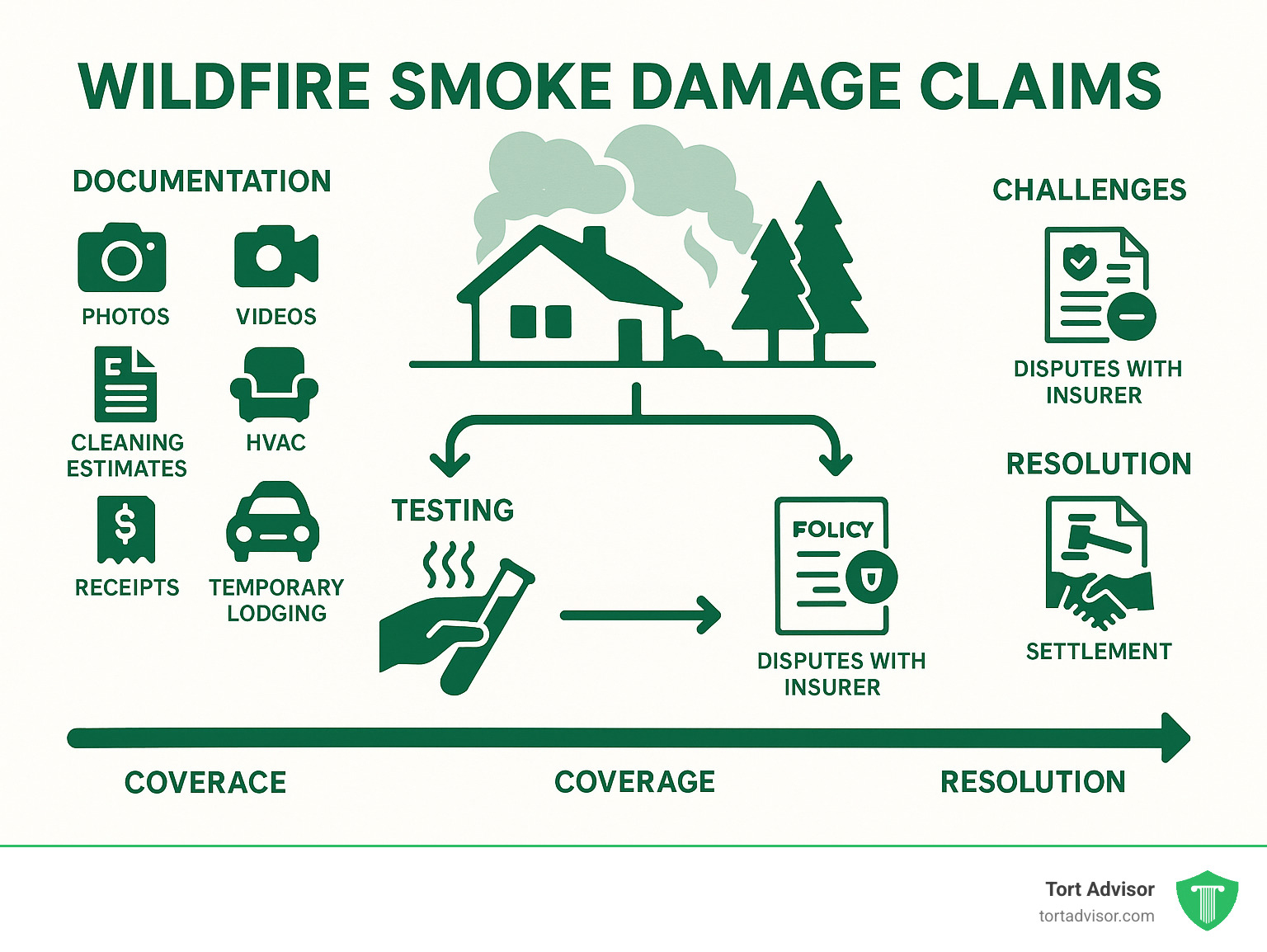
- What may be covered: cleaning the structure, restoring belongings, HVAC, electronics, vehicles, landscaping, and temporary lodging
- Proof to gather: photos, video, professional test results, cleaning estimates, and receipts
- Usual deadline: report within 10-30 days of discovering damage (depends on your policy)
- What drives cost: professional testing often runs into the thousands, and remediation varies widely with how deeply smoke penetrated
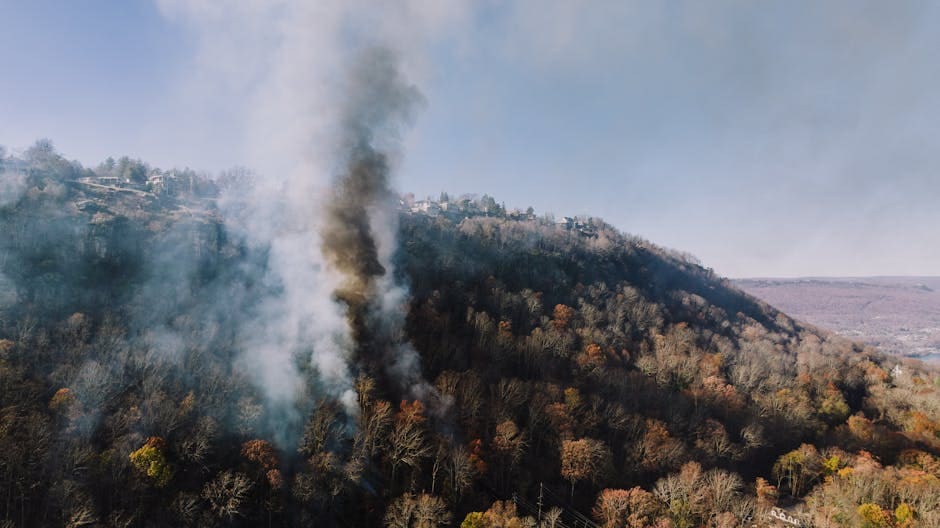
Wildfires damage far more than what burns. Houses miles from the fire line can absorb heavy smoke and need extensive cleaning and restoration. California’s Department of Insurance reported more than 33,000 wildfire-related insurance claims in 2025, and many homeowners discovered their carriers had sharply undervalued smoke repairs.
Smoke damage is sneaky. It works its way into every part of a home and leaves a toxic film that can corrode electronics, discolor surfaces, foul the air system, and keep posing health risks long after the fire.
I’m Mason Arnao. In my technology and data management career, I’ve helped many people with wildfire smoke damage claims by building thorough systems to document, organize, and verify their losses.
Who Is Covered and What Counts
Smoke that gets into a home causes a different type of harm than fire does, and grasping that difference is central to getting a claim paid. Smoke damage occurs when ash, soot, and odor penetrate your property, even if no flames ever came close.
Successful wildfire smoke damage claims require showing “direct physical loss” to the property. California Insurance Bulletin 2025-7 confirms that smoke damage qualifies as direct physical loss even when it can’t be seen right away.
| Smoke Damage | Fire Damage |
|---|---|
| Frequently hidden or hard to see | Destruction is plain to see |
| Can reach homes miles from the fire | Hits structures that actually burned |
| Needs specialized testing to prove | Physical proof is obvious |
| Often challenged by insurers | Seldom disputed as a covered loss |
| Commonly lowballed in estimates | Easier to value |
Who Can File a Wildfire Smoke Damage Claim?
Homeowners may file even if the house looks untouched from the street, because fine smoke particles migrate into walls, ductwork, and belongings.
Renters can generally use renters insurance to clean or replace smoke-damaged possessions, while the landlord’s policy covers the building.
Small business owners are covered too. Most business owners policies include smoke damage to the building, equipment, and stock, and business interruption coverage can make up for lost income.
Vehicle owners with comprehensive auto insurance can usually claim for paint damage, interior contamination, and mechanical problems caused by ash and smoke.
Even evacuees whose homes were spared may have coverage. Many policies include Additional Living Expenses (ALE), which pays for meals and hotel stays when you must leave.
Kinds of Losses That May Be Covered
The structure itself frequently needs work, from washing smoke-stained ceilings and walls to replacing contaminated insulation and HVAC components.
Contents such as clothing, furniture, and electronics often show the most obvious damage. Restoration pros can clean some of these, but heavily affected items often have to be replaced.
Landscaping may be covered as well, though limits are usually tight (often around $500 per tree) for plants harmed by ash, smoke, or fire retardant.
When a home can’t be lived in for a while, Additional Living Expenses coverage helps pay for hotels, restaurant meals, and other displacement costs.
Businesses dealing with smoke damage may use business interruption coverage for lost revenue and ongoing bills during repairs.
How to File Wildfire Smoke Damage Claims

With wildfire smoke damage claims, careful attention to detail often separates a full recovery from an aggravating denial.
Most policies expect you to notify the insurer within 10-30 days of discovering damage. Start by reading your policy so you know your limits, deductibles, and any special requirements before you begin.
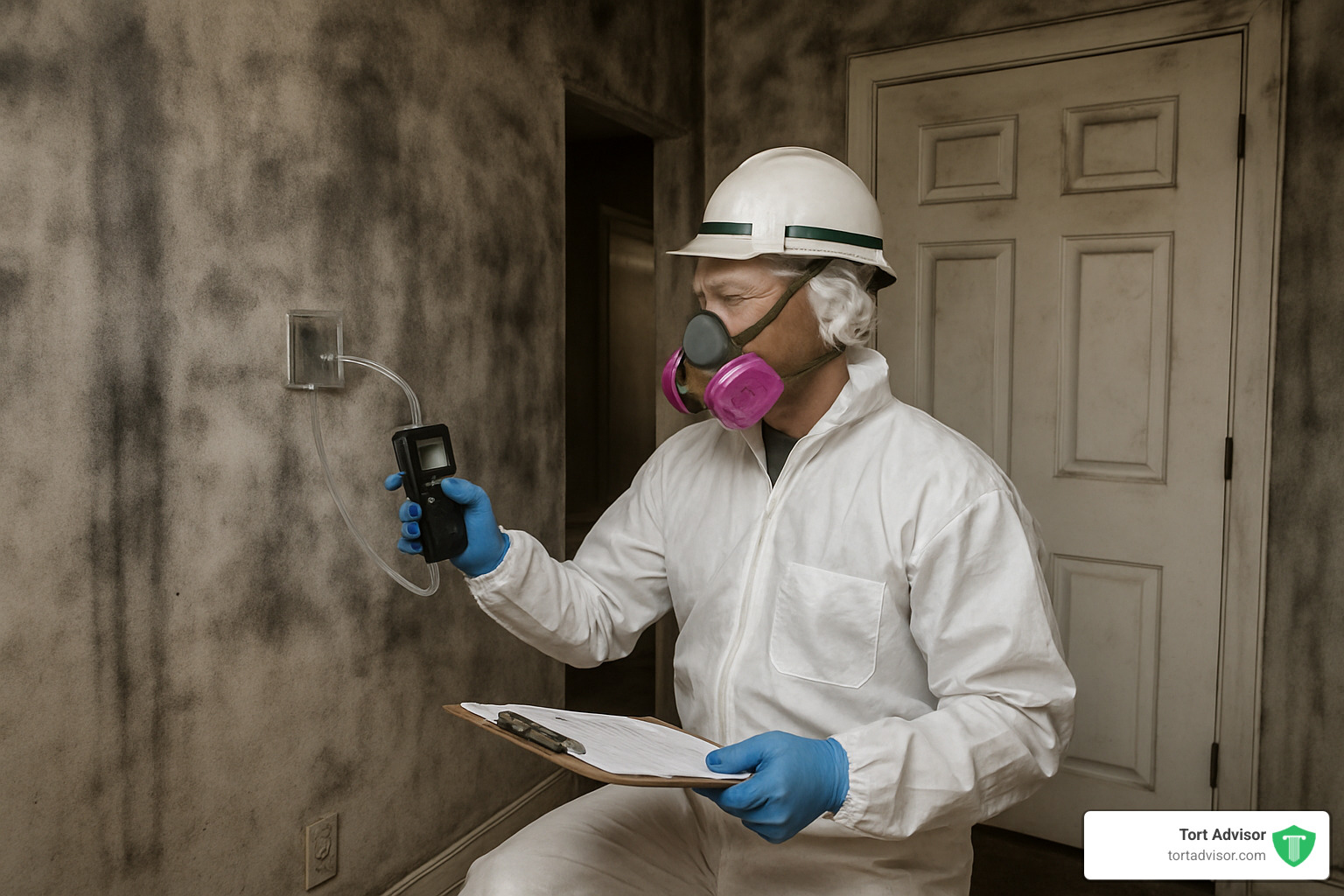
Evidence is your strongest tool. Before cleaning or moving anything, photograph and film every affected area thoroughly; that footage becomes your baseline proof. Then think about bringing in a Certified Industrial Hygienist (CIH) for testing. A CIH’s written report carries real weight with insurers inclined to dismiss damage they can’t see.
Build an itemized list of damaged property with descriptions, purchase dates, and replacement values, then file your claim along with the insurer’s proof of loss form.
Track every expense carefully, from temporary lodging and meals to cleaning products, since Additional Living Expenses coverage may reimburse them.
Evidence That Strengthens Wildfire Smoke Damage Claims
Your claim is only as strong as your proof. Begin with sharp photos and video of each affected space; close-up shots of soot and discoloration show what a description can’t.
A quick wipe test with white gloves or alcohol pads on flat surfaces makes soot visible and concrete. One homeowner I assisted used this technique to prove contamination in rooms that looked spotless, and that evidence secured remediation coverage the insurer would otherwise have refused.
Professional testing is the most persuasive evidence of all. A qualified CIH can take surface and air samples and run lab analysis that scientifically confirms how much smoke damage exists, and their written remediation protocol lays out how the restoration should be done.
What to Do Right After Smoke Exposure
Acting quickly when wildfire smoke gets into your home protects your health and keeps your claim strong:
- Put safety first and wear an N95 mask during inspections
- Replace HVAC filters right away so contaminants don’t keep circulating
- Run portable HEPA air purifiers in the rooms you use
- Leave windows shut while outdoor air is still unhealthy
- Hold on to damaged items as evidence until an adjuster has seen them
- Notify your insurance company without delay
- Record conditions in detail before any cleaning
Legal Lawsuit knows how complicated these claims can get and can connect you with attorneys in our network who focus on holding insurers accountable. See our wildfire lawsuit resources if your insurer is pushing back.
How Insurers Handle Smoke Damage Claims
Knowing how insurance companies process wildfire smoke damage claims helps you work the system more effectively.
After you file, the insurer usually sends an adjuster to inspect. Many adjusters have little specialized training in smoke damage, and that gap can leave your claim badly undervalued.
State Farm has an arrangement with ServPro for on-site cleaning of smoke-damaged contents at about $4 per square foot, a price many consider too low for proper restoration. It treats every home the same, ignoring how differently smoke soaks into different materials.
California homeowners have some good news. In March 2025 the Department of Insurance issued Bulletin 2025-7, confirming that smoke damage counts as “direct physical loss or damage,” which strengthens a homeowner’s position when fighting an unfair denial.
As of February 2025, California had 33,717 wildfire-related claims on file, and 19,854 had been partly paid for a total of $6.9 billion. Many of those partial payments, however, were early low offers well short of full remediation costs.
How Insurers Assess Smoke Damage
Insurers generally follow a standard process that tends to overlook important damage:
- An adjuster does an initial walkthrough, looking for obvious signs
- Sometimes basic surface tests follow, such as a quick soot wipe
- Damage is then sorted into categories: visible, odor-related, and hidden
- A remediation plan is drafted, often favoring surface cleaning over full remediation
- Last comes a cost estimate built on standard rates that seldom match real costs
The core problem is visible versus invisible damage. An adjuster can spot soot on a wall but can’t see particles that have worked into porous materials, which is why testing by a Certified Industrial Hygienist matters so much.
Why Smoke Damage Claims Get Denied or Underpaid
Insurers rely on a handful of familiar tactics to reject or shrink claims:
- “Nothing is visibly destroyed” – arguing that no visible damage means no covered loss
- Blaming prior conditions – calling stains or odors ordinary wear and tear
- Skimping on testing – depending on a visual check instead of scientific analysis
- Fighting over clean vs. replace – insisting cleaning will do when items need replacing
- Lowball estimates – in one documented case, an insurer first estimated $42,000, while independent experts put the real cost at $300,000
- Misreading the policy – applying exclusions or limits that don’t fit
- Artificial urgency – pushing you to settle fast before the full damage is known
Getting Full Value and Protecting Your Health
Winning fair payment while keeping your family healthy takes a deliberate plan for cleanup and recovery.
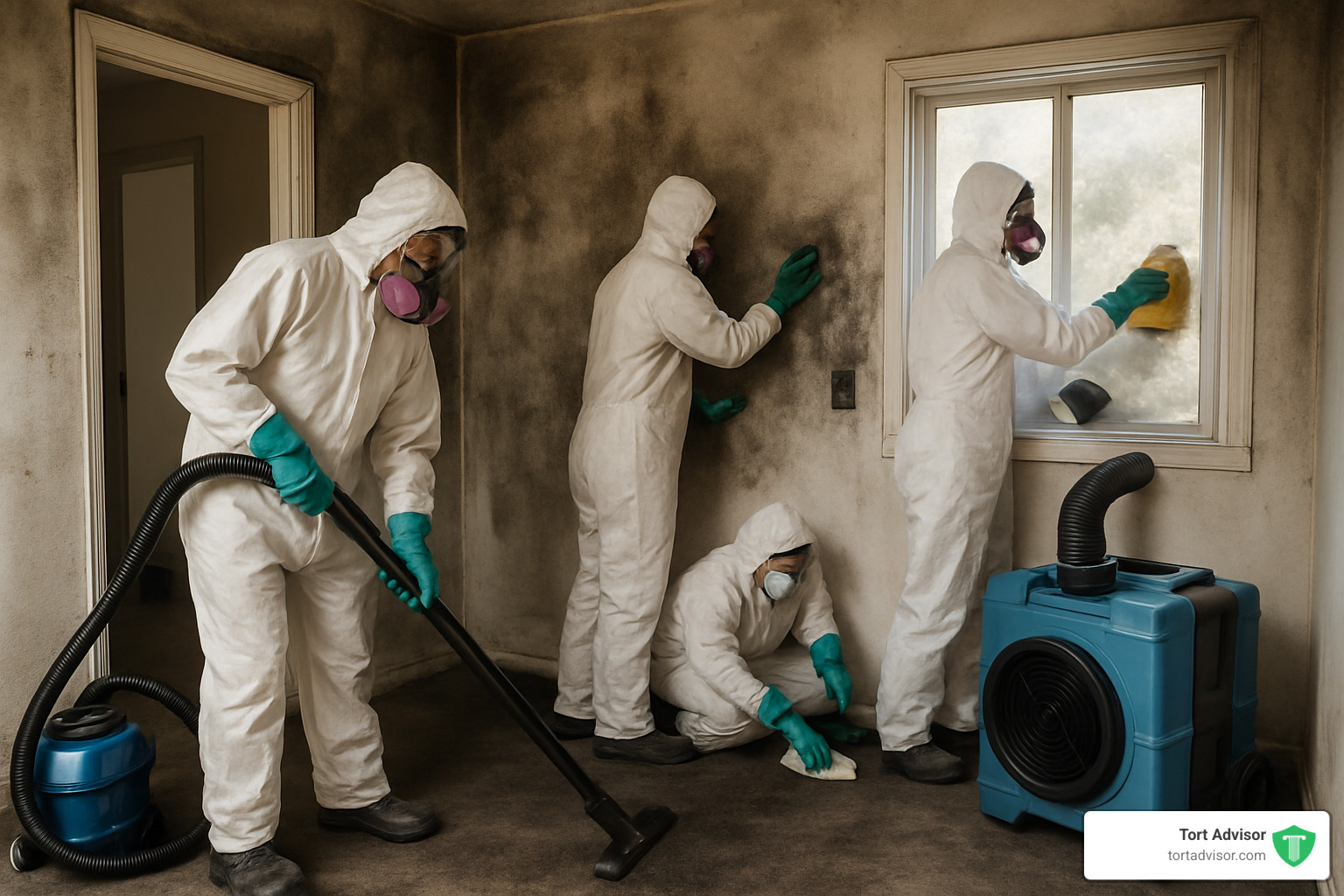
Once the air clears, the big question is whether to clean or replace. Insurers usually favor cleaning because it costs less, but replacement is frequently what health and safety require.
Porous furnishings like mattresses and couches soak up smoke particles, and electronics with smoke inside can break down months later if not handled correctly. Plenty of families take a fast cleaning only to deal with stubborn odors and health complaints weeks afterward.
Professional testing is money well spent. A full smoke assessment often costs several thousand dollars, but documenting damage the eye can’t see is frequently what moves an insurer from a lowball figure to an amount that reflects the true scope of the loss.
Why Independent Experts Matter
Facing a large insurance company is far easier with your own experts on your side:
Public adjusters advocate only for you on the claim. Their fee is typically 10-15% of the settlement, and their skill often produces larger payouts that more than cover it.
Certified Industrial Hygienists (CIHs) put science behind your claim. Using specialized tools, they take air and surface samples, analyze smoke particles, and identify harmful compounds in your home, and, crucially, they write detailed remediation protocols.
When hiring restoration contractors, don’t just take the cheapest bid; look for IICRC certification in fire and smoke restoration and real wildfire experience.
At times, even after doing everything right, you’ll need a lawyer. Insurance claim attorneys can contest denials, confront bad faith conduct, and go to court if it comes to that.
Health Hazards and Medical Costs
Wildfire smoke deposits an unseen mix of toxins that can seriously affect health:
- PM2.5 fine particles can reach deep into the lungs
- Polycyclic Aromatic Hydrocarbons (PAHs) carry cancer-causing compounds indoors
- Volatile Organic Compounds (VOCs) irritate the eyes and throat
- Heavy metals and asbestos may be present when nearby buildings burned
Effects run from short-term coughing to long-term risk of heart and lung disease. Kids, older adults, and people with existing health conditions are the most vulnerable.
Property policies rarely pay medical bills directly, but health-related costs can often be offset through coverage for temporary housing, professional cleaning, and HVAC restoration.
For continued protection, consider certified air purifiers. The California Air Resources Board keeps a list of certified air cleaners proven to cut indoor particle levels.
For broader help with wildfire legal issues, see our wildfire lawsuit resources.
Your Legal Rights, Deadlines, and Dispute Options
If your wildfire smoke damage claim runs into trouble, knowing your legal rights and options for resolving disputes is critical.
An insurance policy is an enforceable contract. Your insurer must handle your claim in good faith, and if it doesn’t, you have recourse.
Californians enjoy especially strong protections. Insurance Code section 790.03(h) obligates insurers to investigate claims fully and fairly, and the Department of Insurance’s March 2025 Bulletin 2025-7 expressly says smoke damage counts as “direct physical loss or damage.”
Don’t wait. Most states, California included, allow two years to sue over an insurance dispute, but your policy may set far shorter deadlines for certain steps.
How to Challenge a Denied Wildfire Smoke Damage Claim
If you got a denial or a low offer, you have several ways to push back:
- Begin with an internal appeal, asking a different adjuster or a supervisor for a formal review
- File a complaint with the Department of Insurance (California: 800-927-4357 or online)
- Invoke your policy’s appraisal clause so independent appraisers value the damage
- Try mediation, where a neutral party guides settlement talks
- Bring in a licensed public adjuster to restart negotiations
- If nothing else works, take legal action
Legal Lawsuit connects homeowners with attorneys in our network who focus on fighting denied claims and who understand both smoke damage science and the fine points of insurance law.
Key Deadlines and Statutes of Limitations
Hitting every deadline is essential:
- First notice of claim: due 10-30 days after you discover damage
- Proof of loss: usually due within 60 days of the insurer’s request
- Additional Living Expenses (ALE): generally 12-24 months of coverage (up to 36 months for recent California wildfire victims)
- Supplemental claims: file right away whenever more damage turns up
- Lawsuit deadlines: usually two years from the loss or the denial
- Department of Insurance complaints: no firm cutoff, but complaints filed within a year tend to fare better
Keep a careful record of every exchange with your insurer the whole way through. A detailed communication log can be extremely valuable if the dispute escalates.
Wildfire Smoke Damage Claims: Common Questions
What proof of “direct physical loss” will an insurer accept?
For wildfire smoke damage claims, showing that smoke truly caused harm takes strong evidence:
- Lab and testing reports from a Certified Industrial Hygienist confirming soot, ash, or smoke particles inside the home
- Photographic proof, such as clear images of discoloration or soot buildup
- A recorded smoke odor that lingers even after cleaning
- HVAC evidence, like darkened filters or samples taken from ducts
In California, Insurance Bulletin 2025-7 states outright that smoke damage is “direct physical loss” even if it isn’t visible at first.
What is the deadline for a smoke damage claim?
Deadlines matter a great deal here:
- First notice: most policies require telling your insurer within 10-30 days after you find smoke damage
- Proof of loss: generally due in about 60 days
- Supplemental claims: typically allowed as further damage is discovered
- Lawsuits: in California and many other states, usually two years from the loss or the denial
Report as early as you can. Prompt notice meets your policy’s terms and makes it easier to document damage before cleanup starts.
Does my policy cover professional testing and cleaning?
Standard homeowners policies generally should, though you may have to insist:
- Inspection and testing by professionals (often several thousand dollars) should be paid as part of investigating the claim
- HVAC cleaning is usually covered when smoke contaminated the system
- Cleaning belongings is normally covered, though insurers often argue over cleaning versus replacing
If the insurer won’t pay for needed testing or cleaning, ask for the refusal in writing, file a complaint with your state Department of Insurance, and think about talking with a public adjuster or an attorney.
Conclusion
Handling wildfire smoke damage claims takes persistence, solid records, and frequently professional help. Smoke damage is more complicated and can cost far more than insurers admit, from tiny particles lodged in building materials to the lasting health effects of toxic residue.
The evidence is striking: insurers frequently undervalue smoke repairs by enormous amounts, so homeowners must advocate firmly for fair payment. In one documented case, an initial $42,000 offer compared with a $300,000 actual remediation cost, which shows how wide that gap can be.
Legal Lawsuit understands what you’re up against. We connect people with attorneys in our network who handle wildfire smoke damage claims nationwide. These lawyers understand both the science of smoke contamination and the details of insurance law, and they work on contingency, so you owe nothing unless they recover money for you.
If your smoke damage claim was denied, underpaid, or is stalled by your insurer, you don’t have to fight alone. Attorneys in our network can help you document the loss correctly, challenge unfair decisions, and pursue full compensation.
To learn how we can connect you with focused legal help for your wildfire claim, request a free, confidential case review today. Careful documentation, expert assessment, and strong advocacy are the best ways to turn smoke damage into a fair recovery.
Additional Resources
Related Posts
Quick Answer: The Boy Scouts of America (BSA) filed for Chapter 11 bankruptcy in 2020 after facing tens of thousands [...]
Quick Answer: Survivors of sexual abuse by Catholic priests, nuns, or other Church personnel may be able to file a [...]
Quick Answer: Clergy abuse settlements vary enormously based on the severity of the abuse, the strength of evidence that the [...]