Short answer: This article explains the key facts, eligibility issues, settlement factors, deadlines, and source-backed updates related to this legal topic. Results vary by case facts, evidence, jurisdiction, and representation.
📋 Table of Contents
The Gummy Bear Implant Recall Explained
Here is the gummy bear implant recall explained in brief: certain textured breast implants, mostly made by Allergan, were pulled from the market because they were tied to an uncommon cancer. The essentials:
- What does “gummy bear” mean? It’s the popular name for form-stable silicone implants filled with cohesive gel, valued because they keep their shape and feel firm but soft.
- Why were they recalled? Some textured implants — among them certain Allergan “gummy bear” models — carried an elevated risk of Breast Implant-Associated Anaplastic Large Cell Lymphoma (BIA-ALCL), prompting the recall.
- What exactly is BIA-ALCL? An uncommon T-cell lymphoma — a cancer of the immune system rather than breast cancer — that can form in the fluid and scar tissue surrounding an implant.
- Which symptoms matter? Ongoing swelling, pain, lumps, a change in breast size or shape, or a buildup of fluid.
- What steps should I take? For people with these implants and no symptoms, the FDA does not advise removal, since surgery carries its own risks. Still, keep watching for symptoms and talk to your doctor about any worries.
The “gummy bear” label comes from the dense, highly cohesive silicone gel that gives these implants their characteristic feel and ability to hold their shape. They were widely used, but one particular textured surface — most notably Allergan’s BioCell — became the target of a global recall after a confirmed connection to BIA-ALCL.
Gummy Bear Implants: What They Are and Why Allergan Recalled Them
“Gummy bear” implants are silicone breast implants packed with a thick, form-stable gel. Much like the candy, they keep their form even when the shell is damaged, which made them a favorite for a natural appearance and feel. Implant shells come in two finishes: smooth or textured. Smooth implants can move around inside the breast pocket, while textured ones have a rough exterior meant to grip nearby tissue, limiting movement and lowering the chance of a complication known as capsular contracture. The gummy bear implant recall focused on Allergan textured implants made with the company’s distinctive BioCell texturing. Following an in-depth review of Breast Implant-Associated Anaplastic Large Cell Lymphoma (BIA-ALCL), the U.S. Food and Drug Administration (FDA) identified a strong association between those implants and the rare cancer. In July 2019, the FDA asked Allergan to recall its BioCell textured breast implants and tissue expanders worldwide. It was classified as a Class I recall — the most serious category, reserved for devices that can cause grave injury or death. Read the FDA’s recall announcement for the official details.
Which Implants Were Recalled?
Only Allergan’s BioCell textured products were covered, so it matters to know who made your implants and which model you have. Both saline and silicone versions with BioCell texturing were included:
- Natrelle Saline-Filled breast implants
- Natrelle Silicone-Filled breast implants
- Natrelle Inspira Silicone-Filled breast implants
- Natrelle 410 Highly Cohesive Anatomically Shaped Silicone-Filled breast implants
- Natrelle 133 Plus Tissue Expander
- Natrelle 133 Tissue Expander with Suture Tabs
Why Textured Surfaces Carry More Risk Than Smooth Ones
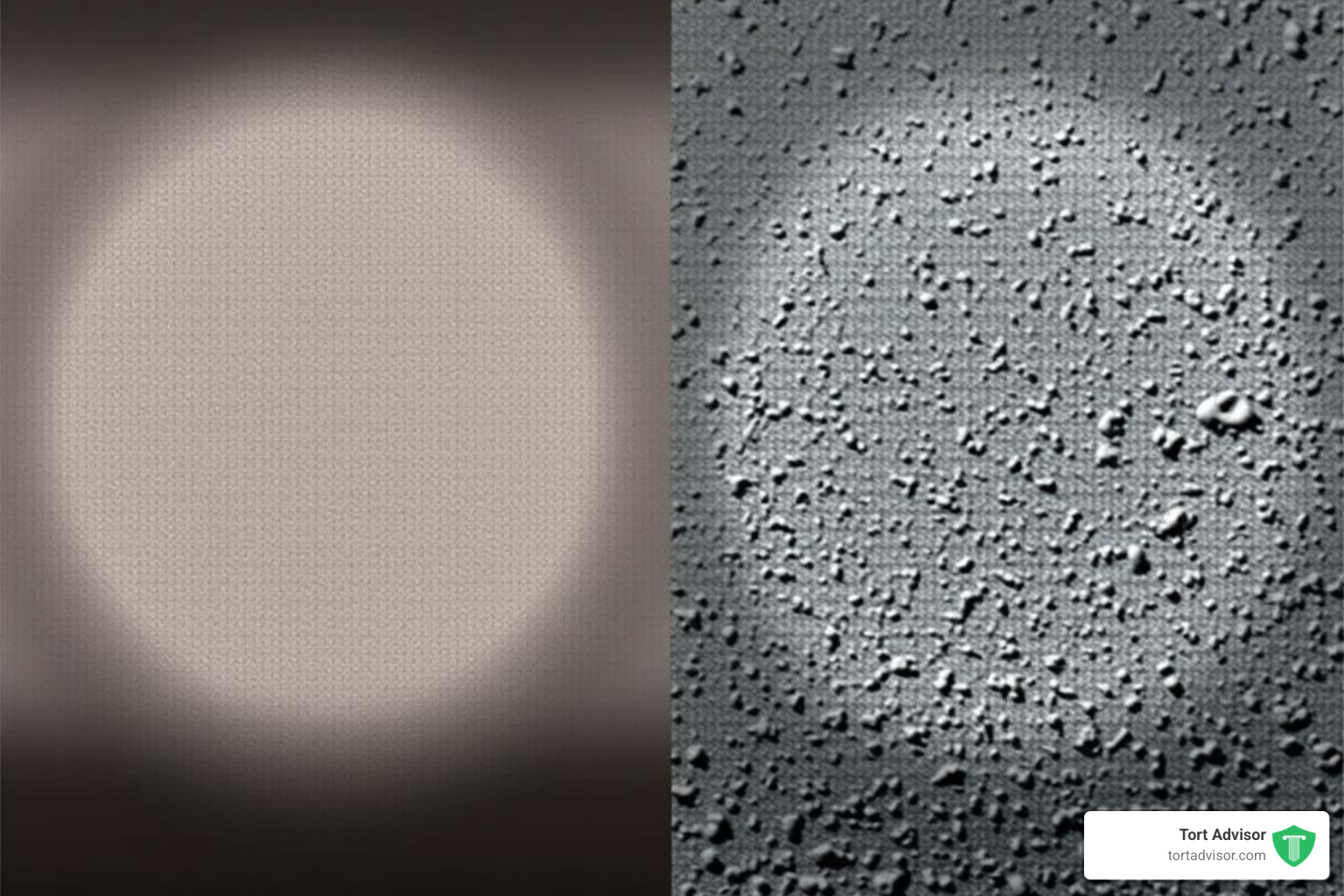
Researchers suspect the BioCell texture is the root cause. Made with a “lost salt” process, it produced a surface rougher and more porous than competing textured implants. That structure may:
- Harbor bacteria: Allowing low-level infection or a “biofilm” that keeps tissue inflamed.
- Irritate tissue over time: The coarse surface may rub against the capsule of tissue around it.
- Keep the immune system on high alert: Ongoing immune activity could, in certain people, trigger the genetic changes behind BIA-ALCL.
The numbers were striking: BioCell textured implants were roughly six times as likely to be associated with BIA-ALCL as textured implants made by other companies. Though they represented under 5% of U.S. implant sales, they accounted for 86% of reported BIA-ALCL cases in which the implant type was identified — a gap pointing strongly to the BioCell texture as a key driver of the cancer.
BIA-ALCL: The Cancer Behind the Recall
Behind the gummy bear implant recall is a serious but uncommon disease, Breast Implant-Associated Anaplastic Large Cell Lymphoma (BIA-ALCL). Importantly, it is not breast cancer; it’s a rare T-cell lymphoma affecting the immune system. It usually arises in the scar tissue capsule and fluid that form around an implant and tends to show up years after surgery, typically between 3 and 14 years. The connection to Allergan is clear: as of June 2023, these implants had been tied to 1,264 cases of illness and 63 deaths worldwide, and most BIA-ALCL cases with a known manufacturer traced back to Allergan. If you’re worried about your implants or want to understand your legal options, Legal Lawsuit can help you find answers. Learn more about breast implant lawsuits
Warning Signs of BIA-ALCL
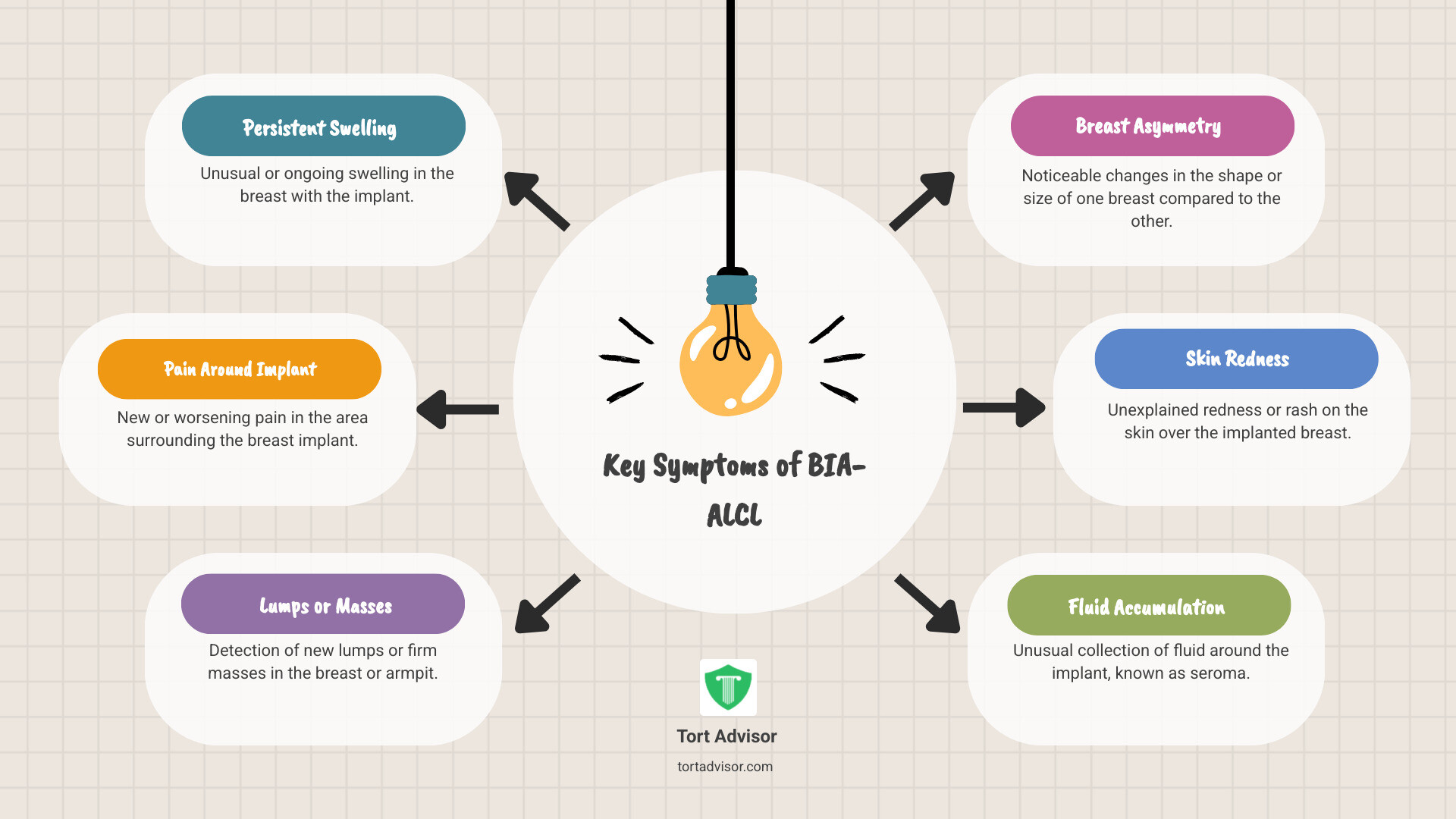
Recognizing symptoms early matters, because early diagnosis makes a big difference. Most symptoms stem from fluid collecting (a seroma) or a mass developing near the implant. Look out for:
- Ongoing swelling or a breast that suddenly grows larger
- Pain around or near the implant
- A new lump or mass in the breast or underarm
- Uneven breasts (a shift in shape or size)
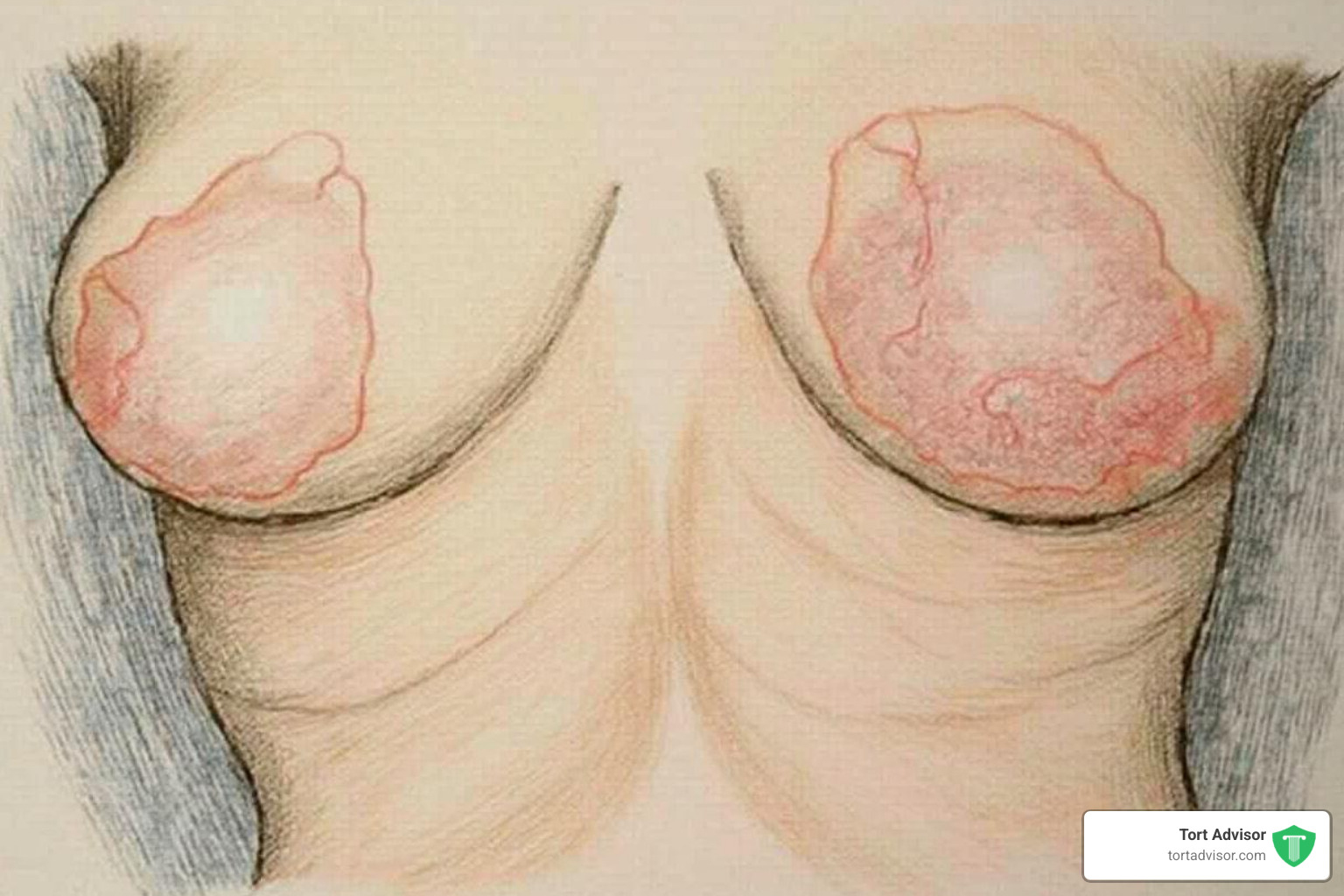
- Redness or a rash on the skin of the breast
- Fluid accumulation
Call your doctor right away if any of these appear.
How Doctors Diagnose and Treat BIA-ALCL
When BIA-ALCL is suspected, the workup usually includes:
- Imaging: Ultrasound or MRI to look for fluid or a mass near the implant.
- Lab Testing of Fluid and Tissue: Any fluid is drawn and checked for cancer markers such as CD30, and a biopsy is taken of any solid mass.
Encouragingly, BIA-ALCL responds very well to treatment, particularly when found early. Standard care is surgery to take out the implant along with the whole surrounding scar capsule (a total capsulectomy), which cures most early-stage patients. In less common advanced cases where the disease has spread, chemotherapy or radiation may also be needed.
What to Do About the Gummy Bear Implant Recall: Guidance for Patients
News of the gummy bear implant recall can be frightening. Here’s practical guidance grounded in official recommendations. According to the U.S. Food and Drug Administration (FDA), people with recalled Allergan BioCell textured implants who have no symptoms don’t need to have them taken out, since the risks of surgery can outweigh the very low likelihood of BIA-ALCL. Careful monitoring is still essential — if anything changes, contact your healthcare provider right away.

Recalled Implants Without Symptoms: Recommended Steps
If you know your implants were recalled but you feel well, these steps are advised:
- Confirm What You Have: Not sure? Ask your surgeon’s office for your operative report, which lists the maker, model and type of your implants.
- Know the BIA-ALCL Warning Signs: Ongoing swelling, pain, lumps, uneven breasts or redness.
- Check Yourself Regularly: Do routine self-exams for anything unusual.
- Keep Up With Appointments: Stay on schedule with regular checkups and recommended breast screening.
- Talk Through Your Worries: Preventive removal isn’t advised, but anxiety about recalled implants is understandable. Share your concerns and options with your surgeon.
Who Qualifies for a Gummy Bear Implant Lawsuit?
People diagnosed with BIA-ALCL — and those who needed removal surgery because of symptoms or serious recall-related anxiety — may have legal claims. These product liability suits generally argue that Allergan didn’t properly warn patients and physicians about the dangers of its BioCell textured implants. Many federal cases were combined into a Multi-District Litigation (MDL) in New Jersey for efficiency, and more than 1,200 suits were pending in the Allergan breast implant MDL as of September 2024. Claims may seek compensation for:
- Medical costs for diagnosis, treatment and ongoing care
- Missed wages from time away from work
- Pain and suffering, covering physical discomfort and emotional distress
Allergan created a limited warranty program, but it frequently doesn’t cover the full cost of care. Because the legal process can be complicated, Legal Lawsuit helps people connect with attorneys in our network who handle product liability cases nationwide, so you can understand your rights and decide whether a claim makes sense. Details on the Allergan Textured Implant Lawsuit Settlement
Risks That Apply to All Breast Implants
The gummy bear implant recall addressed one specific danger tied to textured implants, but every breast implant carries risks, and none is meant to last a lifetime — replacement or removal surgery down the road is common. A frequently discussed issue is Breast Implant Illness (BII), a label for a cluster of whole-body symptoms reported by some women with implants. It isn’t yet a formal diagnosis, but reported symptoms include fatigue, “brain fog,” joint and muscle aches, anxiety, hair loss and rashes, and many patients say they feel much better after removal. Capsular contracture is another frequent complication, in which scar tissue around the implant tightens and hardens, sometimes causing pain and a misshapen look.
Additional risks include:
- Rupture or deflation: Silicone implants may rupture “silently” with no clear signs, so the FDA advises periodic MRI checks.
- More surgery: Revisions may be required because of rupture, contracture or cosmetic issues.
- Infection: A possibility with any operation.
- Altered nipple sensation
- Cosmetic issues such as rippling or unevenness.
Things to Weigh Before Getting Breast Implants
Anyone thinking about breast implants should go in fully informed.
- Insist on Informed Consent: Your surgeon should walk you through the risks, benefits and alternatives. Keep asking until you’re comfortable.
- Expect More Surgery Eventually: Implants aren’t permanent, so plan for possible removal or replacement.
- Cover Every Risk: Talk openly with your surgeon about BIA-ALCL, BII and other complications.
- Pick Your Implant Thoughtfully: Decide with your surgeon which type and surface suit your goals, with safety data in mind.
- Know the Monitoring Schedule: Silicone implants call for periodic MRI or ultrasound to catch silent ruptures, usually beginning 5–6 years after surgery.
- Budget for the Long Term: Account for future costs of screening and additional procedures.
Will Insurance Pay to Remove Recalled Implants?
Whether insurance covers explant surgery depends on your plan and why the implants are coming out.
- Medically Necessary Removal: Coverage is likelier when removal is medically necessary — for example, a BIA-ALCL diagnosis, a symptomatic rupture or serious capsular contracture.
- Elective Removal Without Symptoms: Removing implants out of anxiety or for cosmetic reasons, with no symptoms, is generally not covered.
Call your insurer to learn exactly what your plan covers. If your doctor advises removal for medical reasons, make sure the records clearly document why.
Conclusion
The gummy bear implant recall of Allergan’s BioCell textured implants marked a pivotal moment in medical device safety, bringing the danger of Breast Implant-Associated Anaplastic Large Cell Lymphoma (BIA-ALCL) into focus. This guide explained what these implants are, why they were pulled, and which BIA-ALCL symptoms to watch. The FDA doesn’t advise removal for people without symptoms, but staying alert remains essential. We also looked at broader implant risks, including Breast Implant Illness (BII), and the reality that implants don’t last forever. Anyone harmed may be able to pursue a product liability claim for compensation and accountability, and knowing your rights is the first step toward justice and peace of mind. Legal Lawsuit helps you connect with attorneys in our network who handle complex medical device cases. If the gummy bear implant recall has affected you, request a free, confidential case review to explore your options. See your options for a personal injury lawsuit
Related Posts
Quick Answer: The Boy Scouts of America (BSA) filed for Chapter 11 bankruptcy in 2020 after facing tens of thousands [...]
Quick Answer: Survivors of sexual abuse by Catholic priests, nuns, or other Church personnel may be able to file a [...]
Quick Answer: Clergy abuse settlements vary enormously based on the severity of the abuse, the strength of evidence that the [...]