
Short answer: This article explains the key facts, eligibility issues, settlement factors, deadlines, and source-backed updates related to this legal topic. Results vary by case facts, evidence, jurisdiction, and representation.
📋 Table of Contents
- Why Understanding Disability Benefits Termination Matters for Your Financial Security
- Common Reasons for Disability Benefits Termination
- Navigating the Intersection of Job Loss and Disability
- The Termination and Appeal Process: A Step-by-Step Guide
- Frequently Asked Questions about Disability Benefit Termination
- Conclusion
Why Disability Benefits Termination Puts Your Financial Security at Stake
Disability benefits termination happens when the Social Security Administration (SSA) or a private insurer concludes you are no longer eligible for payments. Knowing the reasons and your options is essential to protecting your income. The Most Common Reasons Benefits Stop:
- Medical Improvement: The SSA or the insurer decides your health has improved enough for you to work.
- Excess Earnings: You earn above the Substantial Gainful Activity (SGA) threshold.
- Not Cooperating: You skip medical exams, fail to send documents or do not follow prescribed treatment.
What Happens After a Termination Decision:
- A written notice arrives stating the reason and the effective date.
- You get 10 days to ask for benefits to continue while you appeal.
- Appeals move through four levels: Reconsideration, ALJ Hearing, Appeals Council and Federal Court.
Having disability benefits cut off can be crushing, particularly if you have also lost your job. You may be dealing with two separate legal systems — employment law and disability insurance law — each with strict deadlines, and missing either can cost you thousands of dollars in support. I’m Mason Arnao. I work alongside legal professionals to help people through complicated disability benefits termination cases, and connecting people with experienced attorneys has shown me how important it is to move fast when benefits are in jeopardy.

Key disability benefits termination terms:
- Denied disability claim
- Disability claim assistance
Why Disability Benefits Get Terminated
Benefits do not stop at random. The SSA and private insurers apply specific rules, and knowing them can help you keep your benefits or build a strong appeal.

Medical Improvement
The most frequent cause of disability benefits termination is an SSA finding that your health has improved enough for you to work. The agency checks this through Continuing Disability Reviews (CDRs), scheduled based on your outlook:
- Medical Improvement Expected (MIE): Reviewed every 6 to 18 months.
- Medical Improvement Possible (MIP): Reviewed roughly every three years.
- Medical Improvement Not Expected (MINE): Reviewed about every seven years.
In a CDR, the SSA asks for current medical evidence, and your doctor’s records are crucial for showing your condition still limits your ability to work. If the agency decides you have improved, it issues a cessation decision, and payments usually stop two months afterward.
Going Back to Work or Earning Above the Limit
The SSA actually encourages beneficiaries to test a return to work. The central measure is Substantial Gainful Activity (SGA), which determines whether earnings are high enough to end eligibility. In 2022, the SGA threshold was $1,350 a month for non-blind individuals; the SSA adjusts it every year, so check SSA.gov for the current figure. Regularly earning above the limit can lead to termination, but the SSA offers programs to smooth the transition:
- Trial Work Period (TWP): Nine months (not necessarily in a row) in which you can earn any amount and keep full benefits.
- Extended Period of Eligibility (EPE): A 36-month window after the TWP during which you are paid for any month your earnings stay under the SGA limit.
Report all earnings to the SSA to avoid overpayments and penalties. If you are thinking about working again, our SSDI Benefit Calculator can help you see how income may affect your checks.
Other Reasons Benefits Can End
Several other circumstances can lead to disability benefits termination:
- Skipping prescribed treatment: Refusing recommended therapy or medication without a good reason may lead the SSA to conclude you could work with treatment and to stop benefits.
- Not responding to the SSA: The agency depends on your cooperation. If you ignore requests for records or it cannot reach you, benefits can be suspended and then terminated, as the SSA’s suspension rules describe.
- Incarceration: Benefits are suspended automatically after more than 30 straight days in jail or prison.
- Social media posts: Insurers increasingly check claimants’ online activity, and photos of hiking or yard work can be used to argue you are more capable than you say. Think before you post.
- Reaching retirement age: Disability benefits convert to retirement benefits, usually at the same monthly amount.
- Fraud: Deliberately misrepresenting your condition leads to immediate termination and possible criminal charges.
When Job Loss and Disability Collide
Losing a job while on disability creates a special set of problems. You are balancing two different legal systems — employment law and disability insurance — each with its own rules and deadlines. Missing an employment deadline could cost you severance, while missing a disability appeal deadline could end your monthly benefits.

Knowing how the two systems overlap is key to protecting your finances.
Can You Be Fired While on Disability?
As a rule, an employer may not fire you because of a disability. Under the Americans with Disabilities Act (ADA), employers must offer reasonable accommodations, such as adjusted schedules or equipment, unless doing so would impose an undue hardship. Even so, a job can sometimes be lawfully ended:
- Without cause: An employer may let you go for business reasons such as layoffs, provided the decision is not discriminatory and proper notice or severance is given.
- For cause: Disability status does not shield anyone from being fired for misconduct like theft or serious policy violations.
- Frustration of contract: Occasionally, when a disability is so severe that return to work is not realistic, an employment contract may be treated as “frustrated” — but the employer must first show it has exhausted accommodation options.
If your job is ending while you are on disability, make sure you understand your specific rights.
What Employers Owe You for Benefits After Termination
Termination entitlements from your employer, such as severance and notice pay, are separate from disability benefits paid through a short- or long-term disability policy. Importantly, employers generally must keep your disability coverage in place through the statutory notice period. If they cut it off early, they may become effectively “self-insured” and directly responsible for the disability benefits you would have received; courts have ordered employers to pay substantial damages for benefits that should have continued, in some cases up to age 65. Watch closely for the date your coverage ends and get legal advice if anything looks wrong.
“Own Occupation” vs. “Any Occupation” in LTD Policies
Most long-term disability (LTD) policies include a change-of-definition clause that can sharply affect benefits, typically after two years.
- “Own Occupation” (first 24 months): You qualify if your disability keeps you from doing your particular job, a more forgiving standard.
- “Any Occupation” (after 24 months): The test changes so that you qualify only if you cannot do any job your education, training or experience reasonably fits — a much tougher standard.
That shift frequently triggers disability benefits termination, because insurers look for ways to argue you could work in another role. If you have also lost your job, the insurer may claim that since you no longer hold your “own occupation,” you should be able to find other work. Knowing which definition applies to you is central to protecting your benefits.
Disability Benefits Termination and Appeals, Step by Step
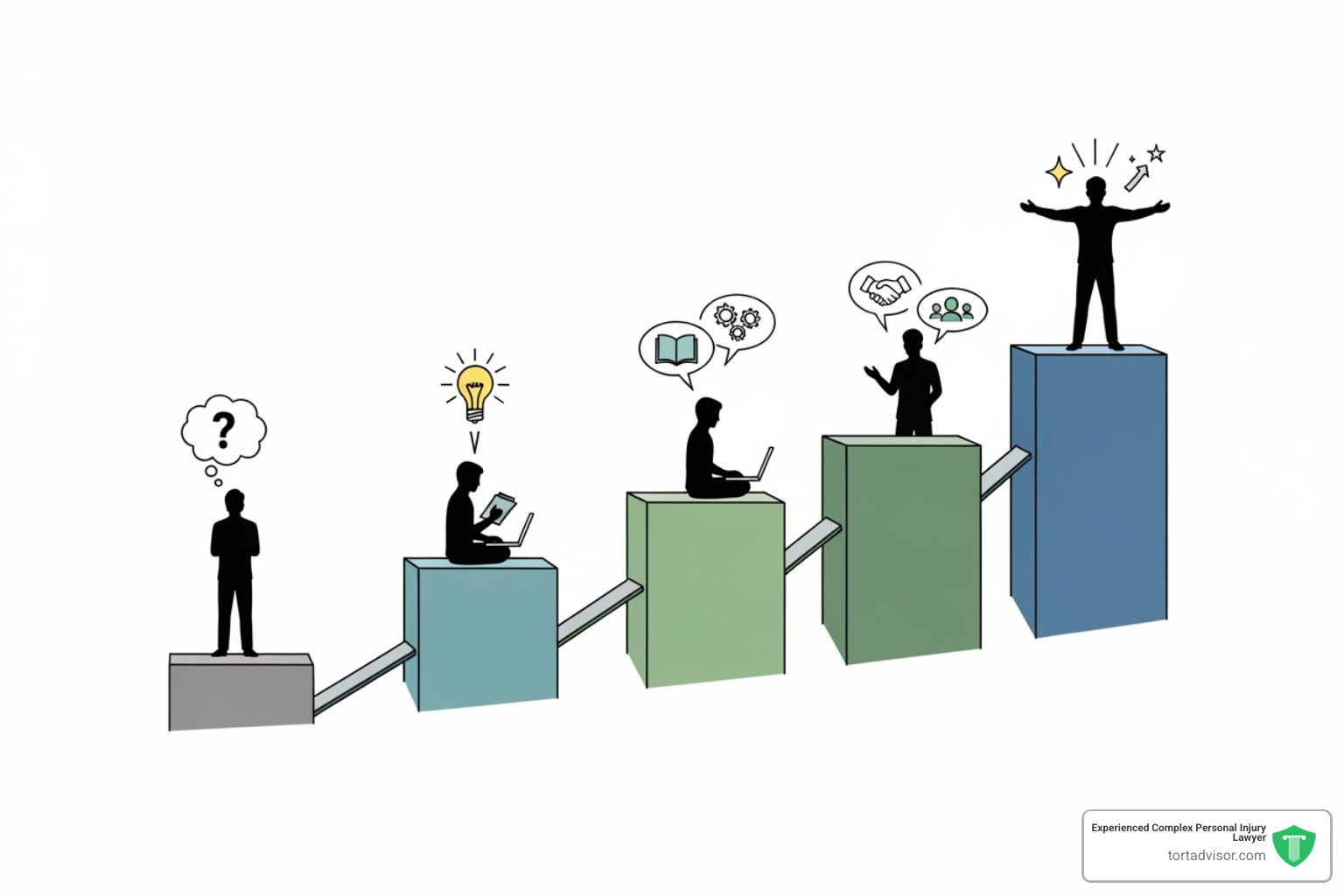
A disability benefits termination notice does not close the case. It opens a process in which you have rights and ways to fight back.
What Happens When the SSA Moves to Stop Benefits
The SSA will send a cessation notice stating why benefits are ending, the effective date and your appeal rights, as its official cessation policy requires. Treat that letter as your guide and focus on the deadlines: you usually have only 10 days to ask that benefits continue during your appeal, and if you miss it, payments stop right away. Once the letter arrives, read it closely, ask your doctor for updated evidence that you still cannot work and collect your recent medical records. A strong case from day one makes a real difference.
How to Appeal a Terminated or Denied Disability Claim
SSA appeals have four levels, and each has firm deadlines:
- Reconsideration: A different reviewer examines your file and any new evidence, usually over a few months.
- Administrative Law Judge (ALJ) Hearing: Frequently your strongest opportunity, where you present your case to a judge — though waits can run a year or more.
- Appeals Council Review: After an unfavorable ALJ decision, the Council can affirm it, send it back for a new hearing or grant benefits itself.
- Federal Court: The last resort is a lawsuit in federal district court, a serious step where experienced representation is essential.
Missing any deadline can end your appeal rights for good. Legal Lawsuit offers help with a denied disability claim and can connect you with attorneys who focus on these cases.
Legal Options When Benefits Are Cut Off Unfairly
An unfair termination may open legal options beyond the standard appeal. When a private insurer wrongfully ends long-term disability benefits, you may be able to bring a claim for breach of contract or bad faith. Possible results include:
- Back benefits: Recovery of every payment you were wrongly denied.
- Reinstatement: Restarting your monthly payments.
- Mental distress damages: Compensation for the emotional harm the termination caused.
- Punitive damages: For egregious conduct, courts may award these to punish the insurer.
You may also have a wrongful dismissal claim if a former employer illegally fired you while you were on disability. Protecting your rights where employment, insurance and Social Security law overlap usually calls for experienced legal help.
Disability Benefits Termination: Frequently Asked Questions
The prospect of losing benefits raises plenty of questions. Here are answers to the most common.
What should I do first if my disability benefits are terminated?
Stay calm — panic leads to mistakes. Then take these three steps right away:
- Study the termination letter. Pin down the exact reason benefits are stopping, since it will drive your appeal strategy.
- Write down every deadline. The 10-day window to request continued benefits is often the most urgent, so set reminders.
- Reach out for legal help. An experienced disability attorney can review the decision, help gather evidence and make sure no deadline is missed. Get Disability Claim Assistance to protect your rights.
Can benefits be cut off with no warning?
Usually not. The SSA and private insurers are required to send written notice explaining the termination and your appeal rights. In rare situations, such as confirmed fraud, payments may stop more suddenly. If benefits stop with no written explanation at all, treat it as a serious warning sign and contact a legal professional right away to find out what happened.
How long does appealing a terminated claim take?
It depends heavily on the appeal level and where you live. The process is slow, so plan for a wait.
- Reconsideration, the first level, often takes three to six months.
- An ALJ hearing, the second level, can involve a wait of a year or more in many places.
- Going on to the Appeals Council or Federal Court can add months or years.
Because the process is so long, acting quickly and hitting the early deadlines is essential. Every day matters when a final decision may be far off.
Conclusion
Understanding disability benefits termination is essential to protecting your finances. Benefits can end for many reasons, from medical improvement to earning too much, and a job loss on top of that creates two separate legal fights with strict deadlines. A termination notice is not final, though. You have the right to appeal, and each stage — from Reconsideration to a hearing before an Administrative Law Judge — is a chance to challenge the decision with solid medical evidence and good legal guidance. Employment law and disability insurance law are complicated, and the stakes are high. Legal Lawsuit is a legal-information site that helps people facing disability benefits termination connect with experienced attorneys in our nationwide network who handle these exact situations. You don’t have to face this by yourself. The most important step is to act quickly so you protect your rights and meet every deadline. Start with a free, confidential case review and get the disability claim assistance you need today.
Additional Resources
Related Posts
Quick Answer: The Boy Scouts of America (BSA) filed for Chapter 11 bankruptcy in 2020 after facing tens of thousands [...]
Quick Answer: Survivors of sexual abuse by Catholic priests, nuns, or other Church personnel may be able to file a [...]
Quick Answer: Clergy abuse settlements vary enormously based on the severity of the abuse, the strength of evidence that the [...]