Short answer: This article explains the key facts, eligibility issues, settlement factors, deadlines, and source-backed updates related to this legal topic. Results vary by case facts, evidence, jurisdiction, and representation.
California Wildfire Recovery in 2025: Ways to Help Southern California Rebuild
Supporting California Wildfire Recovery After the 2025 Fires
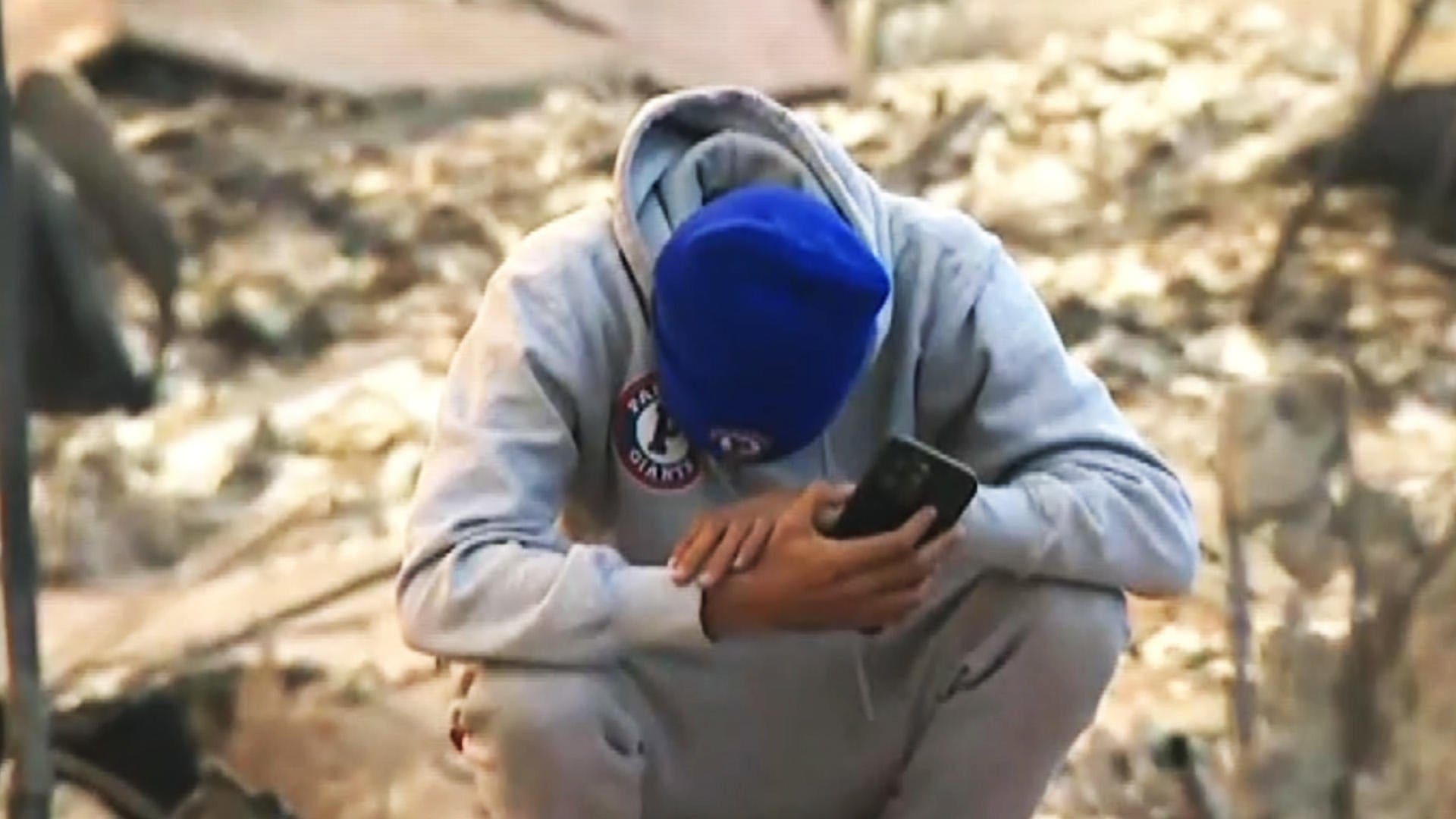
Wildfire risk is a fact of life in Southern California, and 2025 delivered another brutal season. The California wildfire outbreaks brought loss, destruction and deep disruption to community after community, making california wildfire recovery a priority across the region. The Palisades, Hurst, Eaton, Kenneth, Lidia and Sunset Fires left households homeless, businesses fighting to reopen and natural habitats scorched.
Fueled by parched land, strong winds and persistent drought, the fires pushed thousands of people from their homes and caused damage across a wide area. Rebuilding will be a long, difficult process for the region.
If you want to pitch in, you can make a real difference by giving money, volunteering or backing local efforts. Legal Lawsuit has gathered practical ways to support relief work and help communities recover from this wildfire season.
1. Grasp How Large the California Wildfire Crisis Is
Helping well starts with knowing what these fires involve and how long their effects last. The state’s landscape and weather leave it extremely vulnerable to fire, especially in dry months, and its blend of forest, chaparral and coastal terrain lets flames spread fast.
The Palisades Fires, for instance, hit neighborhoods along the Pacific coast hardest. Steep canyons and rough ground made it tough for crews defending homes perched on hillsides, while thick coastal brush burned fiercely and triggered mass evacuations.
By contrast, the Hurst Fires tore through semi-rural land, from ranches to suburban streets. Flames raced across vegetation that had gone unburned for years, putting residents in serious danger, and the remote location of many properties made both evacuation and firefighting harder.
In the foothills, the Eaton Fires struck communities near well-loved outdoor recreation areas, where gusty winds and dry brush let fire move quickly and sudden wind changes kept the threat high. The Kenneth Fires, meanwhile, reached crowded urban neighborhoods, endangering homes and public infrastructure.
Canyon terrain packed with vegetation made the Lidia Fires especially stubborn. Fire could smolder for days in hard-to-reach spots and reignite after crews had called it “contained,” so these lingering hot spots demanded steady watch and staffing.
The Sunset Fires were smaller, yet they dealt a real blow to tourism. Burning near famous beaches and visitor attractions, they cut off access and added economic strain, and communities that depend on tourists lost both income and key infrastructure.
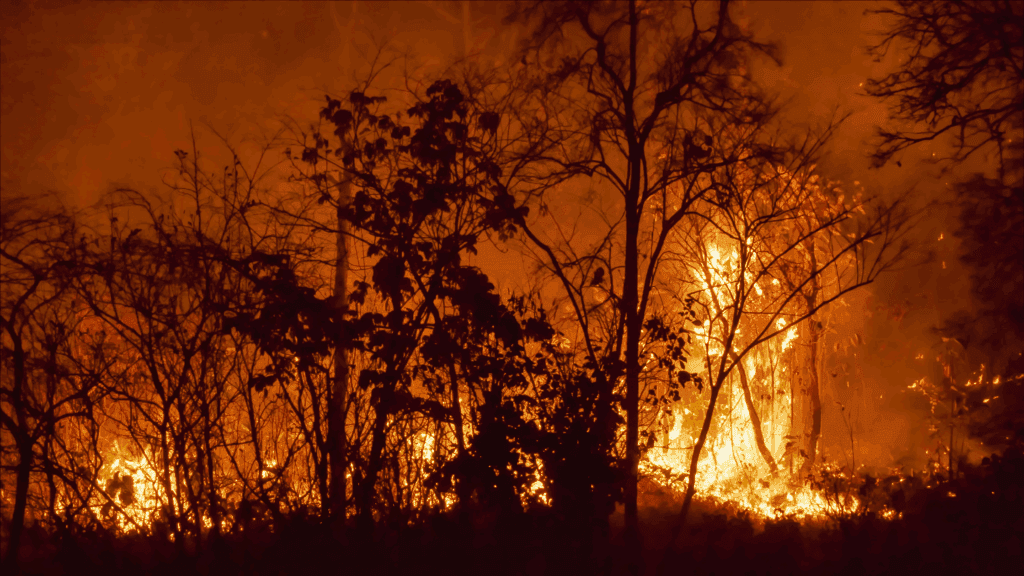
Each fire was different, but the core problem is the same everywhere: whole communities were upended, houses were destroyed, thousands were displaced, and residents were left drained in body and spirit. Money, supplies and services are all essential to getting these areas back on their feet.
2. Give to Trusted Groups Funding California Wildfire Relief
Donating to established organizations that already have teams on the ground is among the most effective ways to support people hurt by the fires.
- American Red Cross – A long-standing disaster responder with a proven wildfire playbook, the Red Cross supplies emergency shelter, medical help, food, clothing and other basics to people displaced by fire.
- California Community Foundations – These funds exist specifically for wildfire relief in the state. A gift supports local nonprofits working on long-term recovery in damaged neighborhoods, from rebuilding houses to offering mental health care, making them central to the rebuilding effort.
- Neighborhood Nonprofits – Smaller local groups often deliver help directly where it is needed. Many concentrate on particular needs like animal rescue, counseling or assistance for underserved residents, so looking into these charities is another smart way to give.
- Crowdfunding Pages – Some fire-affected people and families set up crowdfunding to cover urgent costs such as temporary housing, replacement belongings or medical bills. These campaigns can be a lifeline, but confirm a campaign is genuine before you give.
Your gifts have outsized impact, helping groups move supplies quickly, fund shelter and medical care, and speed families’ return to normal life. Combined with many others, even modest donations add up.
3. Give Physical Items to People Who Lost Homes in the Fires
Cash is usually the most flexible kind of help, but donated goods matter too. Many households lost everything in the fires, down to food, clothes and toiletries. Organizations frequently post lists of what they need, so check what is most urgent before you give.
Items that are often requested include:
- Shelf-stable food – Canned items, boxed meals and sealed snacks are vital for people staying in shelters.
- Personal care items – Soap, shampoo, toothbrushes, toothpaste, hand sanitizer and feminine products tend to run low in disaster areas.
- Clothes and bedding – Families who lost their possessions need everyday clothing, blankets and sleeping bags.
- Supplies for babies and pets – Formula, diapers and pet food are easy to forget but essential for households with little ones and animals.
Before you drop off goods, contact local organizations to confirm they are still taking donations and to learn their guidelines. That way your items actually reach the people who need them.
4. Volunteer to Support California Wildfire Recovery
Funds and goods are crucial, but recovery also depends on volunteers. You can contribute in plenty of ways after the fires without ever going near the fire line.
- Debris cleanup – After containment, volunteers are frequently needed to clear debris, restore schools and parks, and support other public cleanup projects.
- Helping at shelters – Shelters depend on volunteers to sort donations, cook meals and help evacuees register and settle in.
- Office help – Relief groups often need people for data entry, phone lines and coordinating volunteers and resources.
- Emotional support – If you are trained in counseling or therapy, survivors could benefit greatly from your skills. Grief, anxiety and PTSD are common after a wildfire, and mental health care is an important part of healing.
Contact local disaster relief groups to learn where volunteers are needed. Many official sites also offer online sign-up forms that make getting involved simple.
5. Help Small Businesses Hurt by the Fires
Small businesses and farms in burn areas are among those hit hardest. Many sustained property damage or lost income during evacuations and road closures. Here is how you can help them rebound:
- Shop locally – Spend at stores, restaurants and farmers’ markets in affected areas so money flows back into the community.
- Buy gift cards – If you cannot visit in person, a gift card gives a business cash right away and helps keep its doors open.
- Talk them up – Promote local businesses on social media and urge friends to visit once it is safe. Recommendations carry real weight.
Backing small businesses after the fires helps local economies recover and grow again.
6. Work Alongside Official Wildfire Relief Agencies
Agencies including Cal OES (California Office of Emergency Services) and FEMA (Federal Emergency Management Agency) are central to wildfire response and rebuilding. Following their work helps you direct your help where it counts.
- Visit official sites – Cal OES and FEMA regularly post needed items, volunteer openings and donation options.
- Attend local meetings – Communities often hold in-person or online town halls to plan recovery and organize help, a great way to hear about new needs.
- Push for change – Ask your elected officials to support stronger wildfire prevention and sturdier infrastructure that better protects communities.
7. Spread the Word About Wildfire Relief Needs
Social media is one of your strongest tools. Talking about the crisis can motivate others to give. Sharing donation links or posting reliable updates helps build momentum behind relief efforts.
- Trusted information – Repost only from reliable sources such as fire departments and government agencies so what you share is accurate and useful.
- Fundraisers – Point people to campaigns helping affected families and local groups, and ask your network to give.
- Survivor stories – Share accounts of survivors and their resilience. Real stories tend to move people to act.
8. Offer Lasting Emotional and Community Support
Recovering from a wildfire means rebuilding lives, not only buildings. Survivors often deal with emotional strain and money problems that last long after the flames are out.
- Stay in touch – A quick call or text to someone affected means a lot. Tell them you are thinking of them and ask how you can help.
- Point to support groups – Local or online groups can help survivors share their experiences and work through trauma.
- Keep giving – Recovery may take months or years, so recurring financial or material support helps cover long-term needs.
Final Thoughts
The 2025 fires left deep marks on Southern California, but california wildfire recovery is possible when people pull together. Giving, volunteering, shopping locally and sharing reliable information all help the people affected, and together these efforts can help survivors rebuild their communities and look ahead with hope.
Related Posts
Quick Answer: The Boy Scouts of America (BSA) filed for Chapter 11 bankruptcy in 2020 after facing tens of thousands [...]
Quick Answer: Survivors of sexual abuse by Catholic priests, nuns, or other Church personnel may be able to file a [...]
Quick Answer: Clergy abuse settlements vary enormously based on the severity of the abuse, the strength of evidence that the [...]